KYIV, UKRAINE, November 24, 2026 — Ukrainian naval drones struck a Russian warship at a naval base in Benghazi, Libya, on Sunday, sinking the corvette Merkury roughly 2,400 kilometers from the front lines in Ukraine. Hours later, a Russian nighttime attack on the southern Ukrainian city of Zaporizhzhia killed two civilians and wounded 44 others, including four children.
Unprecedented Strike in the Mediterranean
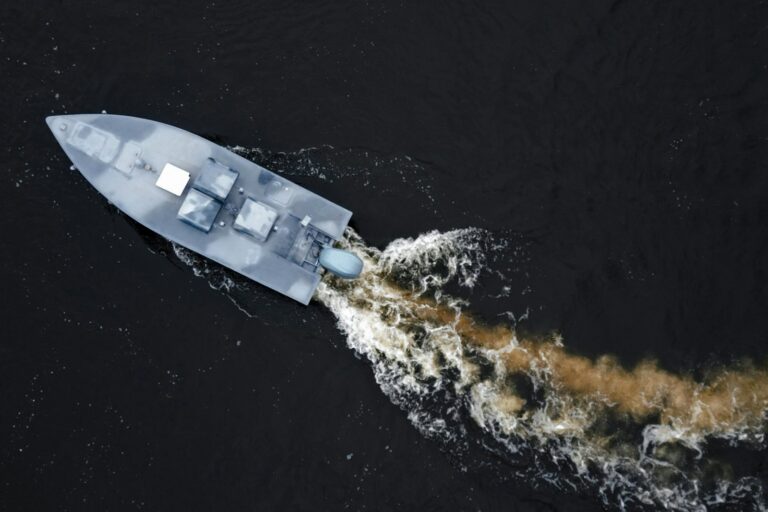
President Volodymyr Zelenskyy confirmed Monday that Ukrainian forces deployed seven domestically produced naval drones in the operation at the Benghazi naval base in eastern Libya. According to Zelenskyy, the strike sank the Merkury, one of Russia’s newest vessels commissioned a year after the 2022 full-scale invasion, and destroyed a Russian Kamov Ka-27 military helicopter. The president also said the cargo vessel MV Angara, which he described as a ship used to transport weapons, was hit during the operation.
Satellite imagery reviewed by Al Jazeera showed most of the corvette had capsized and sunk, with only its bow visible above water. Kremlin spokesman Dmitry Peskov declined to comment on the attack, referring questions to Russia’s Defense Ministry for information “if deemed to be appropriate.” Peskov described the strikes off Libya and in the Baltic Sea as a “very dangerous trend” and warned of “painful” consequences.
Libya Condemns Violation of Sovereignty
The Libyan Foreign Ministry, representing the Tripoli-based government, denounced the attack on Monday. The ministry stated the government did not authorize “any foreign military operations within (Libya’s) territory or territorial waters” and requested clarifications from Ukraine. Libya’s eastern administration separately condemned the strike as a violation of sovereignty and said it had requested an international investigation through the United Nations. The U.N. Mission in Libya expressed concern, stressing that Libya’s sovereignty and territorial integrity must be fully respected.
Ukrainian Foreign Ministry spokesperson Heorhii Tykhyi responded Tuesday, saying Ukraine intended no harm to Libya or its people. He argued that international law does not limit the right of self-defense to where the aggression takes place, noting that Russia uses the civilian infrastructure of third countries for military purposes. “The threat to Libya has been created by Russian warships and the Russian arms carriers that regularly arrive there,” Tykhyi said.
Simultaneous Bombardment in Ukraine
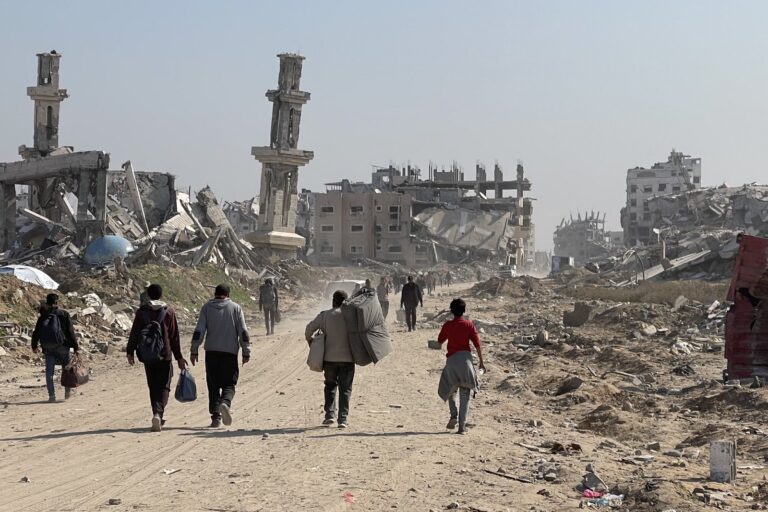
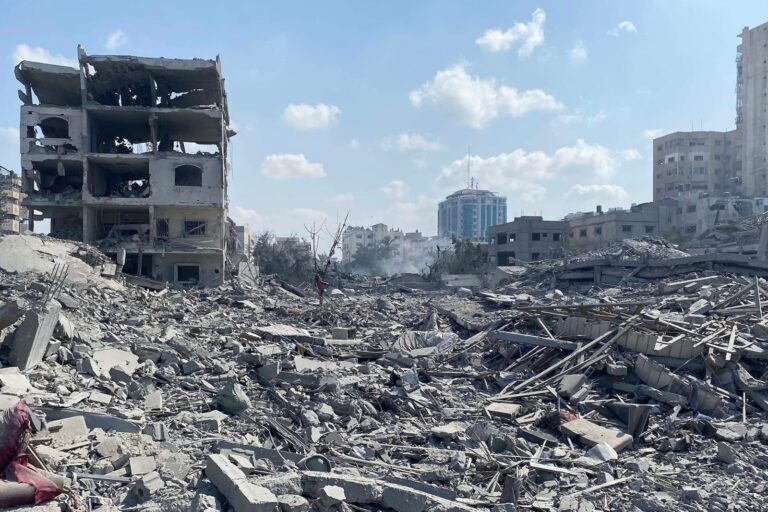
As the Libya operation unfolded, Russian strikes continued across Ukraine. In Zaporizhzhia, a nighttime attack destroyed a private house and partially destroyed a five-story apartment building, according to Mykhailo Semikin, head of the Zaporizhzhia Regional Military Administration. The strike killed two civilians and wounded 44, including children aged under 1, 4, 6, and 16. Three people were killed Monday in a separate Russian strike on a hospital in Zaporizhzhia, the regional military administration said.
Near Kyiv, a Russian strike on a village killed 11 people on Sunday, including a 7-year-old child and a 79-year-old woman pulled from the rubble. Two other people were killed when Russian forces struck a vehicle marked for evacuating residents from Kramatorsk. Zelenskyy said Tuesday the military is sending reinforcements to the Zaporizhzhia region, which lies on the roughly 1,250-kilometer front line. The United Nations says the war has killed close to 18,000 Ukrainian civilians and wounded more than 57,000 since February 2022.
Baltic Sea Escalation and NATO Response
The Libya strike followed a drone attack Saturday on the Russian cargo ship Sparta II in the Gulf of Finland. The vessel caught fire and drifted into Finnish territorial waters; all 16 crew members were evacuated with one slightly injured. Finnish military assessed the vessel was likely struck by Ukraine, while Russian authorities said two drones hit the ship in international waters. Kyiv has not publicly claimed responsibility for that attack.
On Monday, NATO authorized the forward deployment of an AWACS early-warning aircraft to Poland. The decision came after three Russian missiles crashed in Poland last Friday near a site where allied military drills were underway. Polish Prime Minister Donald Tusk accused Russia of “intentional provocation.” NATO Supreme Allied Commander Europe General Alexus Grynkewich authorized the deployment, and a NATO spokesperson said SACEUR is examining additional assets to assess deterrence and defence posture in Poland and elsewhere.
Expanding Maritime Reach
Zelenskyy described Sunday’s attack as “exemplary” and said Ukraine would continue operations in designated maritime areas in response to Russia’s aggression. He noted Ukrainian strikes have hit targets from western Siberia to the Mediterranean. The Merkury was destroyed approximately 1,500 miles from the Ukrainian front lines, just a day after drones struck a sanctioned Russian cargo vessel in the Gulf of Finland. According to The Daily Telegraph, Moscow’s maritime supply lines stretch from the Baltic to the Mediterranean, and Ukraine has demonstrated it can strike both ends.
Sources
- A Russian strike on Ukraine kills 2 and wounds children as Kyiv explains its attack in Libya
- Ukraine updates: Kyiv claims strike that sank Russian ship off Libya
- Ukraine claims drone strikes on Russian ships off Libya: What do we know?
- Zelenskyy hails Ukraine's attack on a Russian warship docked at a naval base in Libya
- Ukraine hits targets in the Baltic and off Libya
Photo: Nataliia Kosinova (CC BY 4.0)