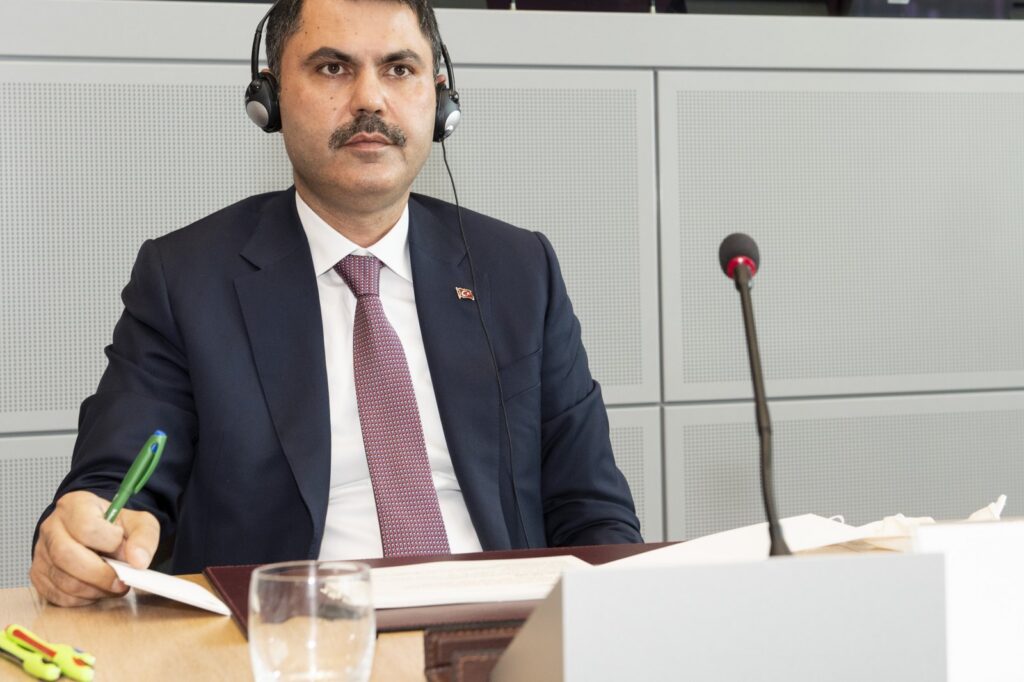
ANTALYA, November 24, 2026 — President Recep Tayyip Erdoğan claims the recent climate summit in Antalya laid the groundwork for future talks, yet the United Nations officially declared the conference a collapse after it ended without a single high-level decision document. This contradiction places the credibility of the UN consensus process under sharp scrutiny as diplomats prepare for the next round of negotiations.
The First Total Failure Since 2000
For the first time since the 2000 COP6 summit in The Hague, a major UN climate conference has concluded without adopting any high-level decision document. The 31st session of the United Nations Framework Convention on Climate Change (UNFCCC) was scheduled to run from November 9 to 20, 2026, at the Expo Center in Antalya. However, the talks overran by two days into a record 44 hours of overtime, becoming the longest-running UN climate summit on record.
On November 22, the United Nations stated that the conference had collapsed due to an inability to agree on language regarding fossil fuels. This marks a stark departure from the 2015 Paris Agreement, which served as a breakthrough moment after previous summits, including Copenhagen in 2009, failed to formally adopt their cover decisions. The failure in Antalya means that nearly 200 nations did not finalize targets for electrification or financial aid for developing countries.
Under Rule 16 of the UNFCCC rules of procedure, all unresolved items from COP31 will automatically carry over to COP32 in Addis Ababa in November 2027. This procedural continuation does not resolve the diplomatic strain; it simply pushes the unresolved tensions forward, raising questions about whether the consensus-based model can sustain the pressure of ongoing climate negotiations.
A Divide Over Words and Warming Oceans
The central point of contention was the language used to address fossil fuels, which contribute approximately 73% of global emissions. A last-ditch compromise text proposed by the co-presidencies of Türkiye and Australia was rejected by the European Union, the United Kingdom, Panama, the Marshall Islands, Norway, and small island states including Tuvalu. These nations insisted on a clear reference to the landmark COP28 agreement in Dubai regarding the “transition away from fossil fuels.”
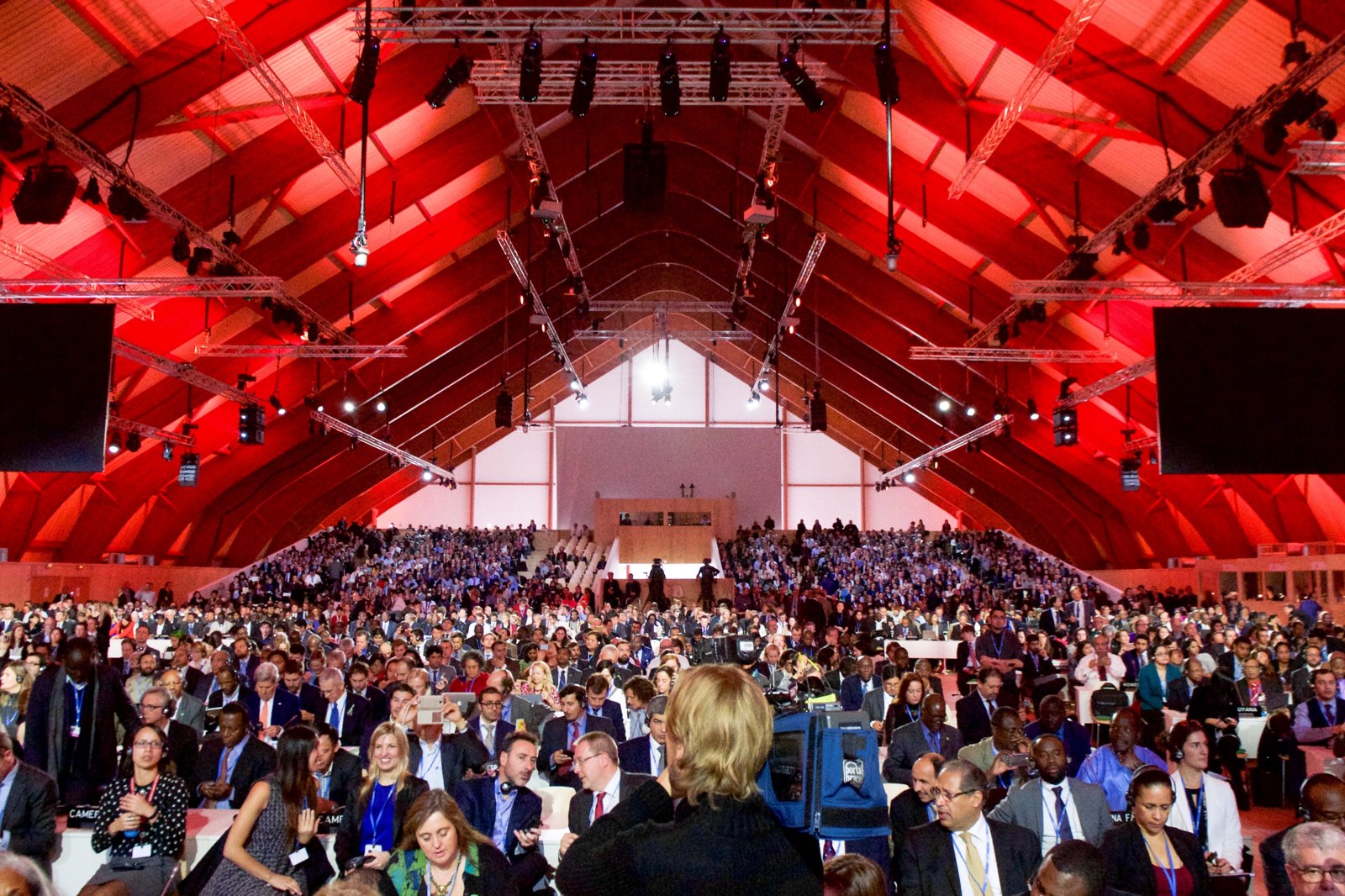
The compromise text only made a vague reference to the “United Arab Emirates (UAE) Consensus,” a phrasing that oil-producing nations like Saudi Arabia supported. For communities in the Pacific and other low-lying regions, this linguistic ambiguity feels like a betrayal. The Marshall Islands representative told the room, “We have been let down on all sides,” while Vanuatu objected forcefully to the silence on fossil fuels.
Irish Environment Minister Darragh O’Brien, speaking on behalf of the EU Member States at the closing plenary, declared, “We will not accept a COP that greenwashes fossil fuels.” The EU, which has been the most generous climate finance donor globally for years, viewed the omission as a fundamental failure of the summit’s purpose. The rejection highlighted a deepening split between petrostates seeking to protect their industries and nations demanding explicit accountability for the leading cause of global warming.
Finance Shortfalls and War-Driven Strains
Beyond the language dispute, the summit was undermined by a significant shortfall in climate finance. Wealthy nations’ pledges to developing countries in Asia, South America, and Africa fell short amid budget strains caused by ongoing wars. The European Union, despite its historical role as a primary lender, faced internal financial pressures that limited its capacity to offer new commitments.
EU climate commissioner Wopke Hoekstra stated in late October, before the summit began, that fresh EU climate finance was “dead in the water.” This assessment reflected a reality where soaring fuel prices and a shortage of refining capacity required heavy spending on direct subsidies and tax cuts to cushion domestic economies. The EU was also feeling that other wealthy regions were not contributing as much as they should to the climate finance department, creating discord before the first session even opened.
For ordinary people in developing nations, these financial gaps are not abstract. A new analysis presented at COP31 found that while more than 95% of coastal and island nations include ocean-related measures in their national climate plans, around 60% of those commitments depend on additional financing or technical support. Without the promised billions in energy-transition assistance, these plans remain on paper, leaving communities vulnerable to the impacts of extreme weather.
The Cost of Delay for Ordinary Families
The implications of this failure extend far beyond diplomatic circles. In the Western Isles of Scotland, for example, fishermen are already seeing species adapt to changing conditions as waters warm. The lack of a robust international framework leaves these local industries without the global support needed to navigate these shifts. Similarly, in countries like Dominica, Myanmar, and Honduras, which top a new ranking of nations hardest hit by extreme weather over the last 30 years, the absence of agreed-upon financial mechanisms means fewer resources to build resilience.
UN Secretary-General António Guterres expressed deep disappointment, warning that every delay makes the task harder and more costly. He noted that the overshoot of the 1.5°C warming target set in the Paris Agreement is now a looming reality, with science indicating that an overshoot above that level is inevitable. For families across Asia and the Pacific, this means more frequent and severe weather events, with fewer international guarantees to help them recover.
Questioning the Consensus Model
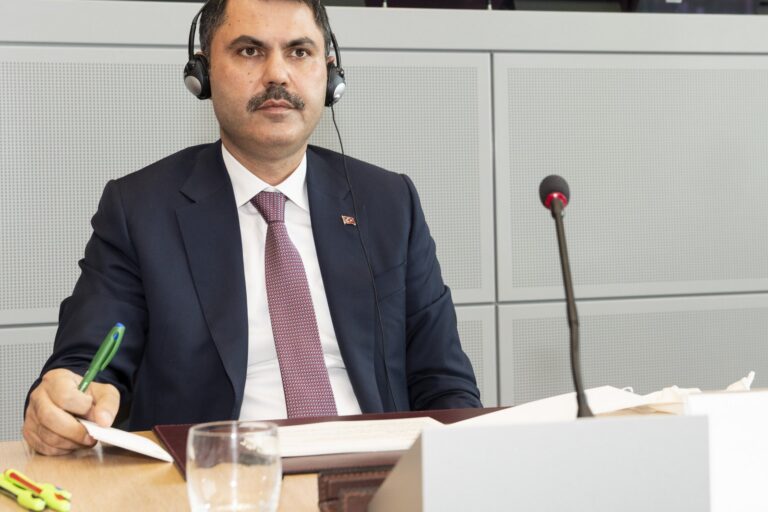
The collapse of COP31 forces a reevaluation of how the UN climate process functions. The requirement for global consensus, which previously allowed for incremental progress, has now proven a barrier to action when fundamental disagreements arise. Turkey’s Minister of Environment, Urbanization and Climate Change, Murat Kurum, who served as COP President, blamed “some” unnamed countries for lacking the “commitment and flexibility” required to reach an agreement. He declared that the proposed Antalya Pact and its cover decision had not been adopted, ruling out further attempts at compromise during the session.
The contrast between Erdoğan’s claim that the summit laid groundwork and the widespread description of the event as “the worst COP ever” by attendees and media highlights the growing gap between political narrative and diplomatic reality. The draft cover decision, which remained a “maze of competing proposals” until the final days, illustrates the difficulty of bridging such deep divisions within a consensus framework.
As the UN prepares for COP32 in 2027, the credibility of the process hinges on whether diplomats can find new mechanisms to move forward without the paralysis that characterized Antalya. The automatic carry-over of unresolved items suggests a continuation of the status quo, but the trust required for meaningful negotiation has been severely damaged. For the international community, the question is no longer just about the content of the next deal, but whether the structure of these summits can still deliver results for the people most affected by climate change.
Sources
- 2026 United Nations Climate Change Conference
- COP31: The push to protect warming oceans reaches the negotiating table
- COP31 Climate Summit That Could Not Say ‘Fossil Fuels’ Ends With No Deal – Health Policy Watch
- Farming Today – 24/11/26 Fishing industry's unwanted bycatch; warmer waters; the aftermath of COP31 – BBC Sounds
- Democrats win House by largest margin in 50 years. And, COP31 ends with no deal
- Climate Finance Dispute Derails COP31 Negotiations
Photo: Europäische Kommission – Audiovisueller Dienst, Lukasz Kobus, Yügen, CE – Servic (CC BY 4.0)