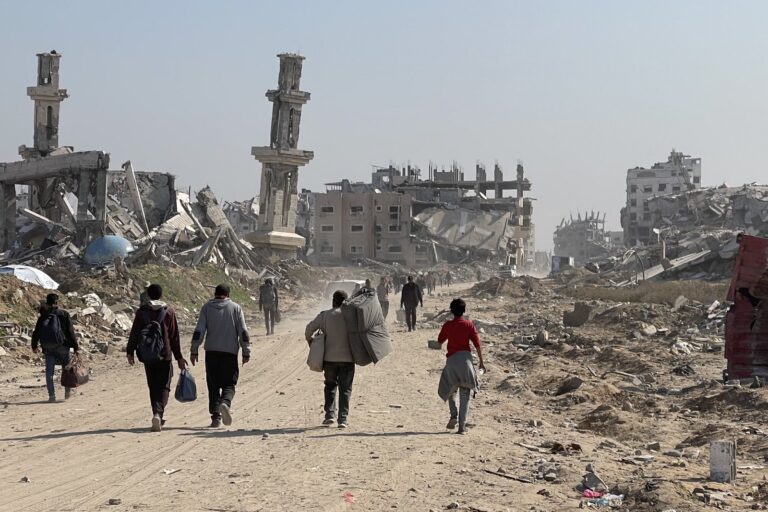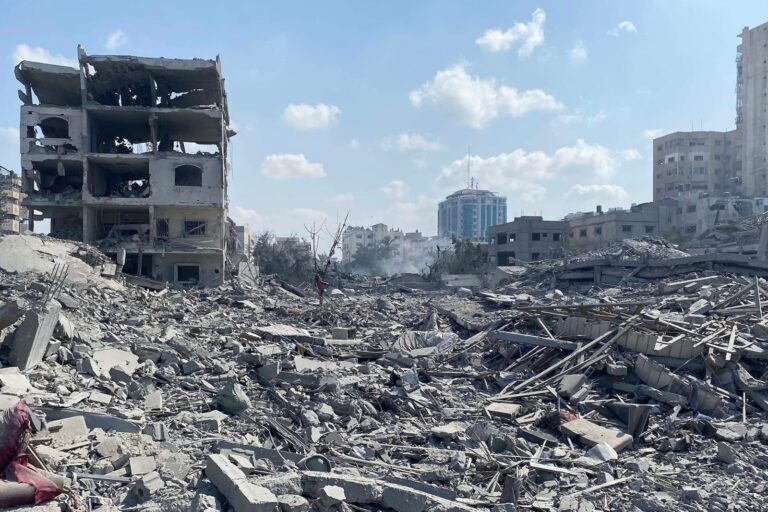
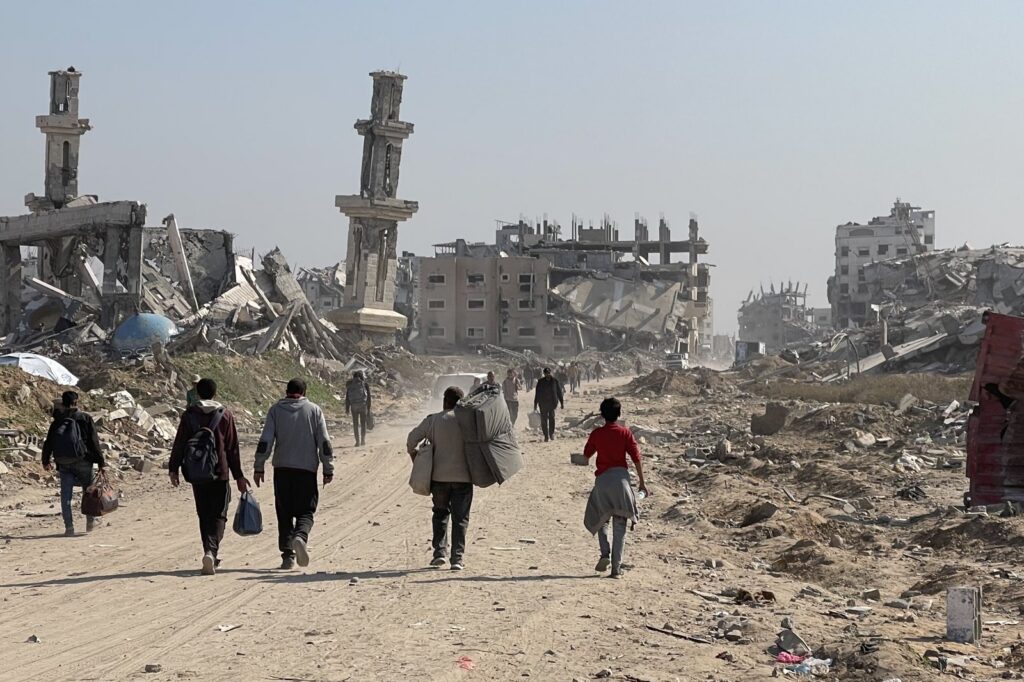
A report published Monday by Oxfam and the Conflict and Environment Observatory (CEOBS) finds that Israeli bombardment has affected around 78% of Gaza’s landmass, with more than 99% of the territory experiencing potential contamination from toxic munitions residue. The study concludes that the extensive use of explosive and incendiary weapons has made the air, soil, and water too dangerous to live in for decades.
Contamination Across the Entire Territory
According to the filing, the bombardment has strewn heavy metals, explosive residues, asbestos, and biological contaminants across the dense urban environment. Oxfam International Executive Director Amitabh Behar said the destruction has fundamentally degraded the environmental conditions necessary for human safety and survival. The record shows Palestinians are being exposed to toxins through air, food, water, and direct contact with contaminated soils and debris.
How Long Toxins Persist in Urban Soil and Water
Research on the environmental impact of war establishes that heavy metals and explosives from modern munitions linger for decades in the environment. In dry areas, these toxins can be transported across large distances. The record shows that even after a war ends, contaminated land and water keep harming the environment and nearby communities. Genotoxic effects from conflict pollutants, similar to those documented in cases like Agent Orange, can affect multiple generations.
Historical Precedents in Dense Environments
On the timeline, environmental damage from heavy artillery persists long after active fighting stops. Studies of past conflicts show that lead musket balls fired during the American Revolutionary War still register negative environmental effects in the 21st century. Modern warfare, with its vastly increased destructive capacity, creates stress on ecosystems that far exceeds historical precedents. Wars also have detrimental effects on environmental policy that can last for 20 to 30 years after the conflict.
Legal Obligations and Evidence of Crimes
The report authors said environmental destruction on this scale may constitute, facilitate, or provide powerful evidence of war crimes, crimes against humanity, and genocide. Behar stated the contamination breaches Israel’s legal obligations under international humanitarian and human rights law. Recovery actions must be prioritized to mitigate multi-generational health risks, though Israel has refused to allow heavy equipment needed for large-scale cleanup and rubble removal, citing concerns that Hamas could use it for military purposes.
Regional Scope and Ongoing Exposure
Sources familiar with the regional impact warn the contamination is not confined to Gaza. Palestinian filmmaker Darin J Sallam, speaking at COP31 in Antalya, said the environmental impact of Israeli occupation extends to southern Lebanon, where agricultural land, soil, and communities have also suffered damage. She warned that environmental destruction cannot be separated from human suffering and that the devastation witnessed today has continued since 1948. Israel’s foreign ministry called the report “shameful and scandalous” and said Oxfam had “traded its credibility for campaigning,” attributing the scale of destruction to the terror network Hamas built beneath civilian areas.
Sources
- Israeli bombardment has left Gaza a ‘toxic wasteland’ for decades to come, report says | CNN
- Environmental impact of war
- Lewis Pugh Completes 15km Strait of Hormuz Swim Highlighting Iran War’s Wildlife Impact: 14 outlets compared | NewsCord
- TRT World – Palestinian filmmaker warns of Israel's environmental destruction in Gaza and Lebanon
- Study warns of widespread toxic contamination in Gaza as war unleashes environmental catastrophe
- Ukrainian naval drones strike new Russian warship in Libya, and other Mideast news
Photo: Jaber Jehad Badwan (CC BY-SA 4.0)