BRUSSELS, November 23, 2026 — EU member states voted Thursday to postpone by two years a law requiring oil and gas importers to monitor and cut methane emissions after a chaotic seven‑hour debate. The delay hands a victory to a lobbying campaign that mirrors tactics used by Big Oil and the Trump administration to outmaneuver Brussels in the past.
How the Delay Unfolded
The legislation, a key plank of the European Green Deal, would have forced companies bringing fossil fuels into the bloc to measure and eventually reduce methane leaks. Methane is the second‑biggest contributor to global warming, trapping up to 86 times more heat than carbon dioxide over a 20‑year period. EU climate legislation targeting methane could cut global emissions by up to 30 % if fully enforced, but the two‑year postponement delays those gains for communities and families across the region who are already feeling the effects of a warming planet.
OPEC’s Reserve Dominance Translates Into Bargaining Power
The cartel’s leverage starts underground. OPEC controls an estimated 79.5 % of the world’s proven oil reserves, with the Middle East alone holding 67.2 % of those reserves. In 2022 the group accounted for 38 % of global oil production, giving it a decisive voice in any market‑wide regulation. Because the EU imports a significant share of its oil from OPEC nations, the cartel’s supply decisions reach directly into European energy security and, by extension, into the legislative calendar in Brussels.
A Playbook Borrowed From Washington
The current lobbying push echoes a familiar pattern. The United States and Big Oil previously outmaneuvered Brussels by leveraging trade‑policy threats and lobbying, a play echoed in the current EU delay. At COP31 in Antalya, OPEC Secretary‑General Haitham Al Ghais argued that expanding electricity networks still depend on petroleum‑derived materials and diesel‑powered equipment, framing fossil fuels as indispensable to the very energy transition the EU is trying to accelerate.
New Data Strengthens the Cartel’s Hand
OPEC’s first independent assessment of sustainable production capacities, completed in November 2026, will guide 2027 quotas and reinforce its negotiating position. The review, conducted by DeGolyer and MacNaughton and Shri Chandra Energy & Data Processing, was described by Al Ghais as a “historic milestone” for the OPEC+ framework. OPEC+ ministers are scheduled to meet on November 29 to decide their 2027 output policy, a gathering that will shape the supply landscape the EU faces as it revisits the methane rule in two years.
Sources
- How Big Oil and the Trump administration outwitted Brussels to delay an EU climate law
- OPEC
- OPEC defends fossil fuels at COP31 as global electrification debate intensifies – Oil & Gas 360
- OPEC Wraps Up First Independent Oil Capacity Assessment | Egypt Oil & Gas
- Oil Markets Are Betting on a Surplus That Hasn't Arrived Yet | OilPrice.com
- Crude Oil Price Outlook: Brent Eyes OPEC+ After Three Weekly Losses
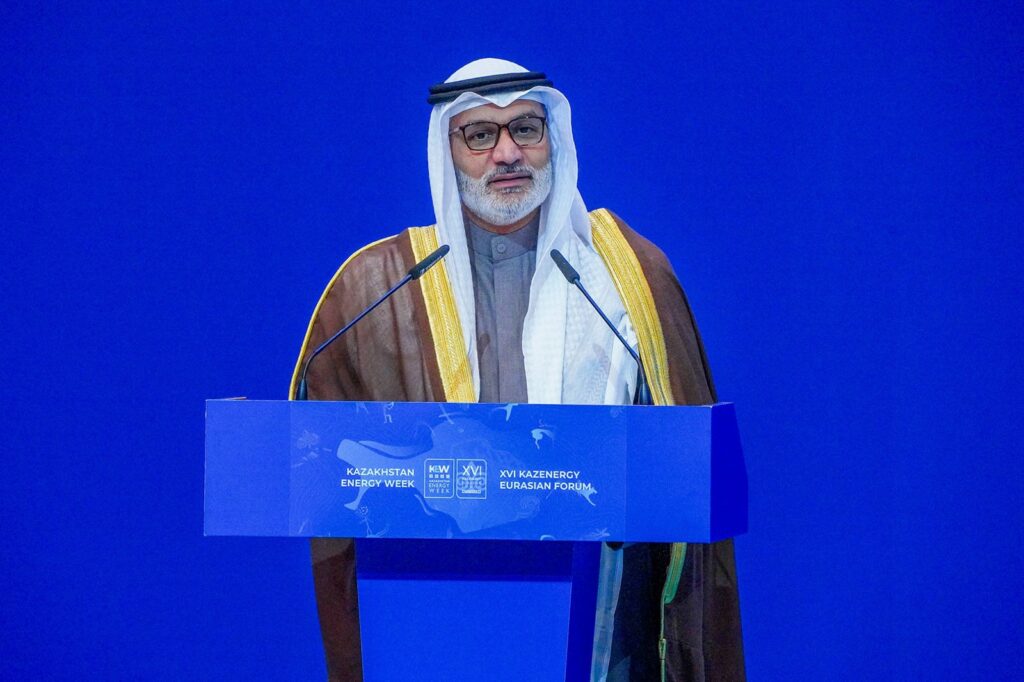
Photo: Қазақстан премьер-министрі (CC BY 4.0)