New research finds that international sanctions have failed to stop Sudan’s warring factions from financing their military campaigns through the country’s vast gold reserves. According to the Sudan Transparency and Policy Tracker (STPT), both the Sudanese Armed Forces (SAF) and the Rapid Support Forces (RSF) continue to exploit resources in territories under their control for private enrichment and war funding, despite targeted measures from the UK, Australia, and the UN Security Council.
Sanctions Disrupted Networks, Not Resource Exploitation
International sanctions have targeted commanders, companies linked to the forces, and their commercial partners. The UN Security Council unanimously extended the 1591 Sudan sanctions for two months on October 8, 2026, which include targeted travel bans and asset freezes.
According to the STPT, these measures have disrupted parts of the financial and procurement networks sustaining the war but have not stopped the warring parties from financing their campaigns. The record shows that both military establishments continue to exploit resources in territories under their control. Sanctions have raised costs and disrupted established channels, but they have not deprived either side of the resources or external relationships needed to continue fighting. Designated businesses can shift activities between jurisdictions, operate through unsanctioned subsidiaries, and establish new commercial relationships that make transactions harder to trace.
Corporate Resilience in the Face of Sanctions
Examples of this corporate resilience are evident in companies aligned with the SAF. The SAF-aligned Red Rock Mining Company, accused by foreign governments of funding the conflict, has pivoted its operations despite facing sanctions from the UK, the EU, and Switzerland. The record shows the company leverages a network of international corporate vehicles to keep its operations active. By late 2025, the firm maintained a global footprint across Tanzania, Ethiopia, and the United Arab Emirates (UAE), even holding a European foothold through a Rotterdam-based “sister company,” Red Diamond Industries.

Fellow military-affiliated firm Zadna mirrors this resilience, relying on Egypt-based partnerships and domestic dominance to render Western penalties practically toothless. The timeline of the sanctions reveals a pattern where targeted companies adapt rather than cease operations, ensuring the flow of revenue to the armed groups they are linked to.
The Role of Gold and Foreign Influence
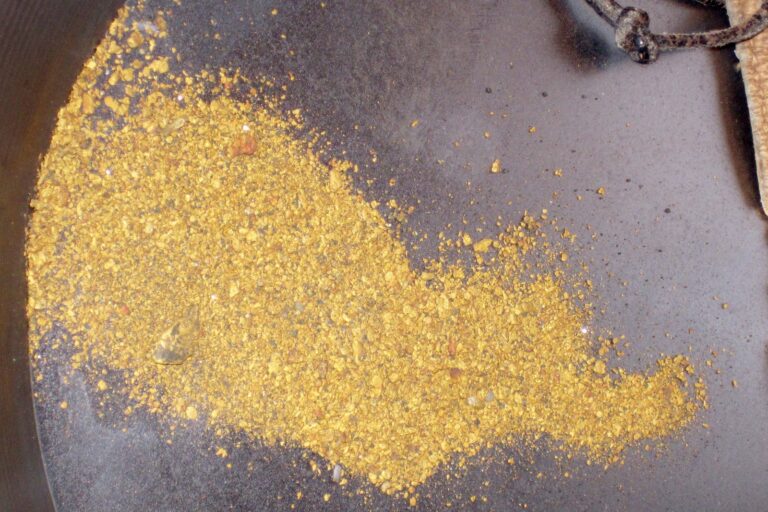
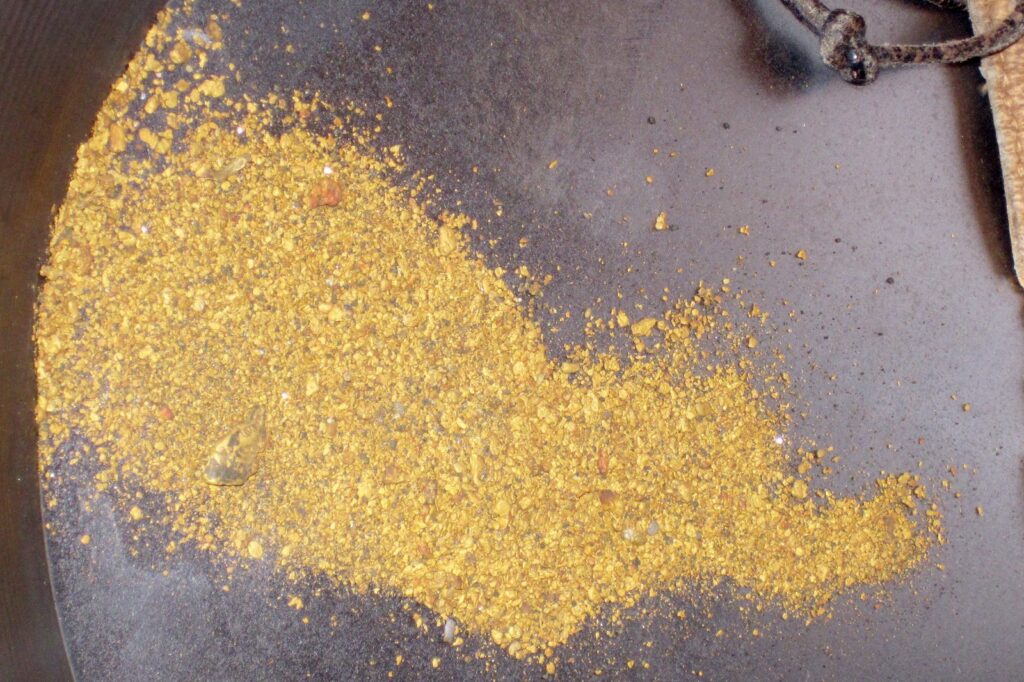
Sudan is one of the largest producers of gold in the world, and its gold trade has become a primary revenue source for both the SAF and RSF. The conflict, which began on April 15, 2023, following a power struggle within the transitional administration, has seen both factions exploit gold mines and smuggling networks. The RSF was created by former dictator Omar al-Bashir and served as his private army, and its leadership, including General Hemedti, has been accused of directing gold revenues to finance its military campaign.
Foreign influence, particularly from the United Arab Emirates, plays a significant role in the conflict gold trade. The UAE has been accused of supporting the RSF, which commits atrocities considered acts of genocide by many. The UAE, being one of the biggest markets for gold, has allegedly received massive imports of the material at a cheap cost, with most shipments smuggled across borders or coming from mines under direct ownership of the Emirati government. This relationship is facilitated by intricate alliances between the UAE and Sudan’s neighbors, including Ethiopia, which allows the Emirates to use its territory as a logistics hub for the RSF.
Regional and Strategic Implications
The failure of sanctions to curb the conflict gold trade has broader regional implications for Red Sea security and international trade. Sudan’s location along the Red Sea poses a strategic challenge to US national security and maritime trade, as the Red Sea handles 12-15% of international maritime trade and nearly 30% of global container traffic. Instability in Sudan threatens shipping routes and regional partners, including US allies Egypt, Israel, Jordan, and Saudi Arabia.
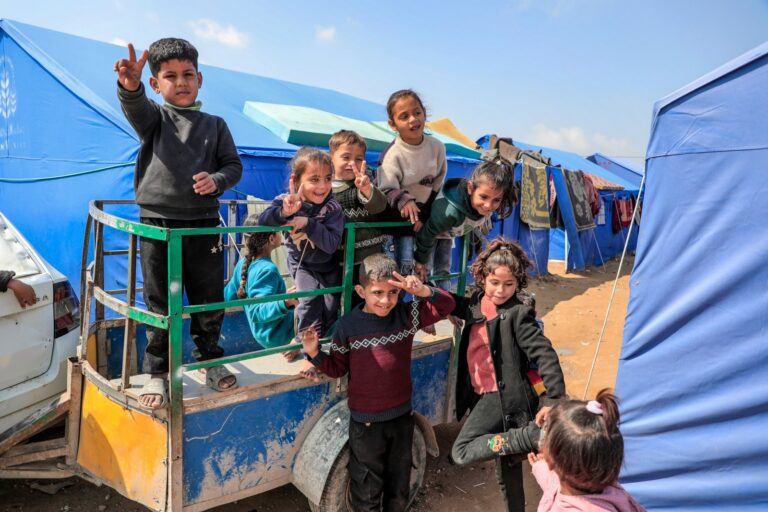
The conflict has also forcibly displaced over 14 million people as of July 2026, making it one of the largest displacement crises in recent history. Foreign powers including Russia, Turkey, and the UAE have heavy influence in the conflict, further complicating efforts to find a resolution. The war’s impact extends beyond Sudan’s borders, affecting global food supply chains and increasing volatility in energy and agricultural markets.
The record shows that while international sanctions have targeted individuals and companies, they have not addressed the root of the problem: the ability of warring factions to exploit natural resources with the support of foreign patrons. Until these networks are dismantled, the conflict gold trade is likely to continue financing the war in Sudan.
Sources
- Sudanese civil war (2023–present)
- Why Sudan's Civil War Is Becoming a U.S. National Security Threat | OilPrice.com
- Sanctions fail to curb Sudan’s war economy
- Op-Ed: A String of Alliances Holds the Emirates Together in Africa — IR Insider
- The cost of conflict: Food supply chains under pressure
- The Red Sea’s connected wars are deepening Sudan’s catastrophe
Photo: James St. John (CC BY 2.0)