KHAN YOUNIS, November 12, 2026 — An Israeli strike on Nasser Hospital overnight killed at least six people, including a doctor and a 13-year-old boy, according to Palestinian officials, as the US-brokered ceasefire continues to be violated and a humanitarian crisis deepens.
A Ceasefire in Name Only
The attack on the hospital’s surgery unit highlights the fragile nature of the October 10, 2025, ceasefire agreement. The record shows that despite the nominal truce, Israel has carried out near-daily strikes in Gaza. According to the United Nations, Israeli forces have killed more than 1,400 people in the enclave since the ceasefire was signed. The agreement, which was intended to address massive humanitarian needs, has been frequently violated and has failed to sufficiently alleviate the crisis, as confirmed by OCHA data.
The Collapse of a Health System
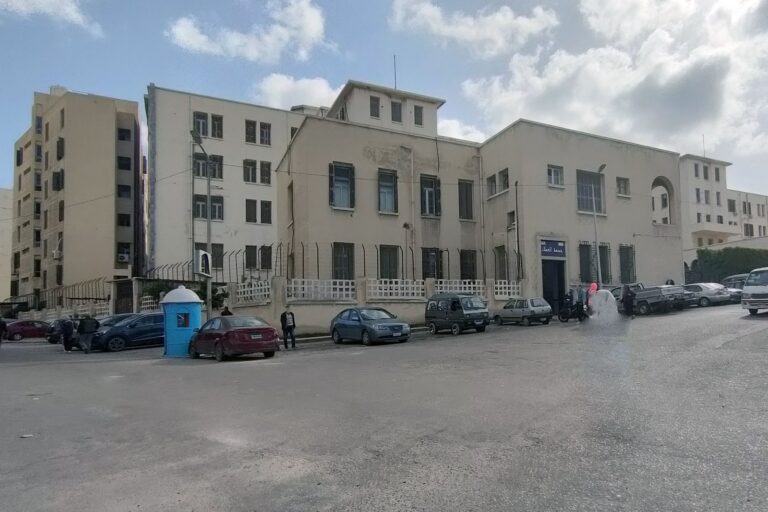
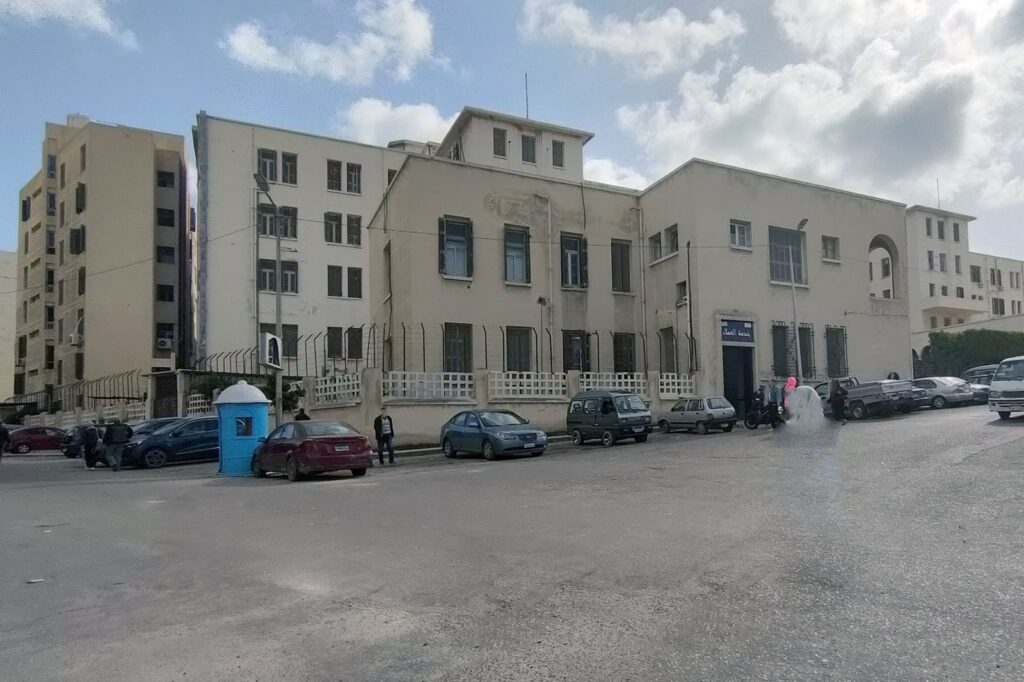
The strike on Nasser Hospital, which is now partially destroyed, is part of a broader collapse of Gaza’s health infrastructure. Only slightly more than half of Gaza’s hospitals and primary healthcare centers remain partially operational, and none can function at full capacity. The attack killed 52-year-old Dr. Rizk Abu Shaira and a 13-year-old boy awaiting surgery, while injuring 40 others, including two doctors in critical condition. Footage from the scene showed a US-manufactured GBU-39/B 250-pound bomb that failed to explode, underscoring the continued military presence and risk within civilian facilities.
A Displacement Crisis Compounded by Nature
The ongoing violence has displaced 1.7 million people, who now shelter in 1,600 displacement sites across Gaza. This crisis has been dramatically worsened by natural disasters. Heavy rains from November 6-9 flooded displacement sites, killing six people, including three children who were crushed when a sand dune collapsed onto their tents. The storms destroyed 6,000 family shelters and damaged another 17,400, leaving 3,900 households without any shelter. With 65 percent of Gaza’s population—1.4 million people—living in tents or makeshift shelters, the rains turned these sites into disaster zones, with water levels reaching 1.5 metres in some locations.
The International Response and Its Limits
International aid efforts are struggling to meet the escalating needs. While Japan has contributed US$1.97 million to the WHO to strengthen the health response and establish an emergency medical team coordination cell, the scale of the disaster is immense. The funding will support training for 30 health officials and partners and provide equipment for 100 national emergency medical team staff. However, humanitarian stocks of tents, tarpaulins, blankets, and clothes inside Gaza are virtually exhausted, and more than 150,000 tents purchased by partners are outside Gaza, awaiting permission to enter. The UN and its partners are working to pump out water, improve drainage, and deliver emergency supplies, but they are overwhelmed by the number of appeals, with over 26,000 households reporting damage to their shelters.
The Human Toll and the Broader Conflict
The combined effect of military operations and environmental disaster has created a catastrophic humanitarian situation. Over 73,000 Palestinians have been killed and more than 174,000 injured since October 7, 2023. With more than 370,000 housing units destroyed or damaged, and 1.4 million people projected to face high levels of food insecurity, the crisis shows no signs of abating. The interaction between ongoing military operations and the humanitarian catastrophe is clear: the destruction of infrastructure and the blockade of aid prevent civilians from recovering from natural disasters, while the lack of a safe environment makes any long-term solution impossible. The timeline of the conflict, marked by repeated violations of the ceasefire and the failure to address basic needs, suggests that the suffering in Gaza will continue without a significant shift in policy or international pressure.
Sources
- Israeli strike on Gaza hospital kills at least six, including doctor and child, Palestinian officials say | CNN
- Gaza Strip
- Crisis in Gaza: What to know and how to help | International Rescue Committee
- Children among the dead as heavy rains flood tents and shelters in Gaza
- Japan contributes US$ 1.97 million to strengthen the health response in the Gaza Strip
- Humanitarian Situation Report: Heavy Rains in the Gaza Strip | 8 November 2026 | United Nations Office for the Coordination of Humanitarian Affairs – Occupied Palestinian Territory
Photo: Abdelrhman 1990 (CC BY-SA 4.0)