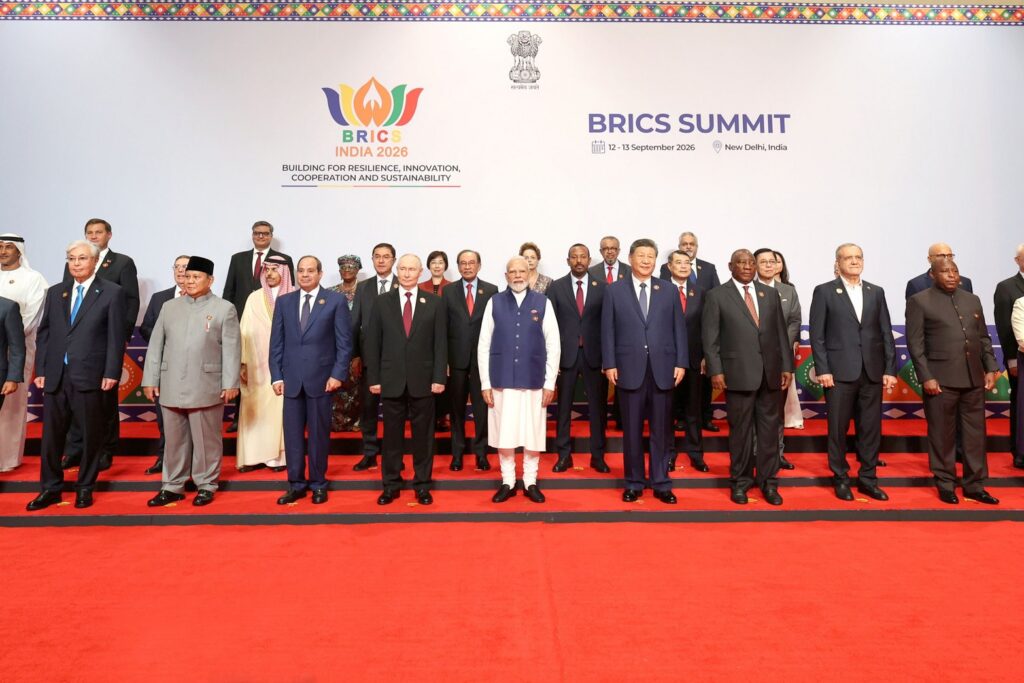
The growing influence of the Global South is altering the traditional decision-making power structures within international governing bodies, as emerging economies are reshaping the UN, IMF, and climate forums, demanding greater agenda-setting power as they move from aid recipients to rule-shapers. This shift is driven by the rapid development of emerging markets and developing economies, with countries such as China, India, and those across Asia, Africa, and Latin America seizing opportunities created by globalization to raise their standing in the world economy.
Background And History
The Global South, comprising Africa, Latin America, the Caribbean, Asia, and Oceania, has long been positioned at the margins of the international system, but is now becoming a central actor in the reshaping of the global order and the reform of global governance. According to the Centre for International Relations and Sustainable Development (CIRSD), the rise of the Global South reflects simultaneous shifts in the distribution of power, the functioning of the international system, the geography of technology and industry, and the narrative of modernization. The Global South classification was first introduced as a more open and value-free alternative to the term “Third World”, and is used by governmental and developmental organizations to describe countries that are newly industrialized or in the process of industrializing.
Numbers And Trends
The Global South now represents the majority of the world’s population and a rapidly expanding share of global GDP. Developing countries are moving from being “rule-takers” to “rule-shapers”, providing public goods and stabilizing order. China, for example, has sustained rapid growth over a long period and become one of the largest contributors to global economic growth. The BRICS countries, which include Brazil, Russia, India, China, and South Africa, are using their collective weight to push for green industrial policies that blend economic growth, sustainability, and social justice. China is also a major provider of debt relief to developing countries, providing upwards of $4.5 billion annually in climate finance and renegotiating over $78 billion in external debt owed to Chinese creditors since 2020.
Implications For Global Governance
The growing influence of the Global South is forcing international governing bodies to rebalance and become more inclusive and sustainable. The rise of the Global South is not just an economic story, but a transformation that reflects changes in the distribution of power, the functioning of the international system, and the narrative of modernization. China, as a major force in world modernization, has offered experience and public goods to developing countries seeking modernization, participation in governance, and strategic autonomy. The Global South is also driving the development of new policy frameworks, such as green industrial policies, to address the challenges of climate change and economic development. For example, China has proposed a debt-pause initiative, which would automatically suspend debt payments after climate disasters, protecting borrowers and Chinese banks.
What It Means For Families Across The Region
The growing influence of the Global South means that families across the region will have more opportunities for economic development, sustainability, and social justice. As the Global South becomes a more central actor in the global order, it will have a greater say in shaping the rules and policies that affect the lives of people in the region. This could lead to more inclusive and sustainable development, as well as greater access to public goods and services. For example, China’s debt-pause initiative could provide much-needed breathing room for families affected by climate disasters, allowing them to rebuild and recover without falling further into economic crisis. As the Global South continues to grow in influence, it is likely that we will see more initiatives like this that prioritize the needs and well-being of families and communities across the region. China provides upwards of $4.5 billion annually in climate finance, ranking fourth after the U.S., Japan, and Germany.
Sources
- Global North and Global South
- The Rise of the Global South: Rebalancing Global Governance – CIRSD
- Lula’s victory is a stress test for the Global South
- Green Industrial Policy and the Global South – Challenges and Opportunities in the BRICS Countries | Transnational Institute
- Opinion | Can China champion the Global South without speaking for it?
- The Case for a Chinese Debt-Pause Initiative
Photo: Prime Minister's Office
(GODL-India)