Portable nuclear reactors promise to reshape military logistics by delivering power to forward operating bases without reliance on vulnerable fuel convoys, yet their deployment in active conflict zones introduces new targets for adversaries and creates supply chain dependencies that alter the calculus of power projection.
Background and Historical Context
Small modular reactors represent an emergent class of nuclear fission reactors with a rated electrical power of less than 300 megawatts, a definition that has evolved since the term first entered common use in the late 1970s. The technology traces its conceptual roots to the 1950s, when early experiments sought to miniaturize nuclear generation for remote applications, but it was not until the late 20th century that the designation “small modular reactor” gained traction in technical and policy circles. As of March 2026, the majority of SMR designs are light-water reactors, though the family of concepts encompasses generation IV and molten salt models, reflecting a diversification of approaches beyond the dominant light-water tradition. The United States has positioned SMR development as a strategic priority; the Department of Energy has provided substantial support to advance domestic technologies with the aim of deployment in the late 2020s or early 2030s, seeking to reduce reliance on foreign energy supplies and strengthen electricity grid resilience.
Mechanics and Technical Profile
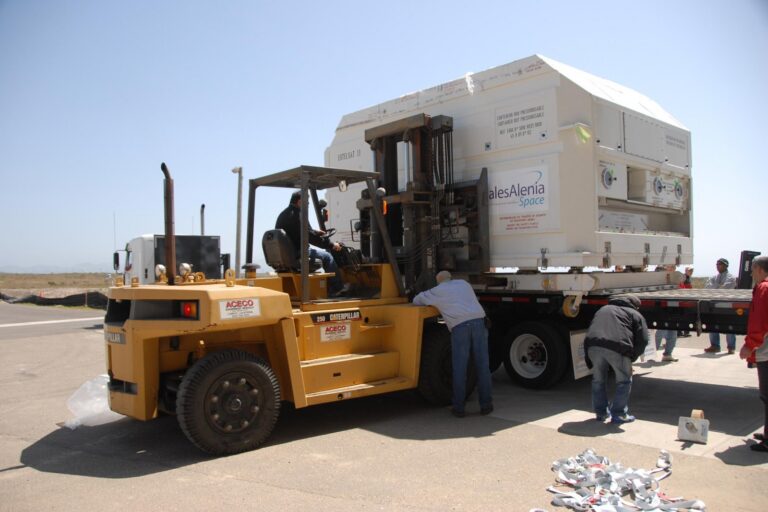
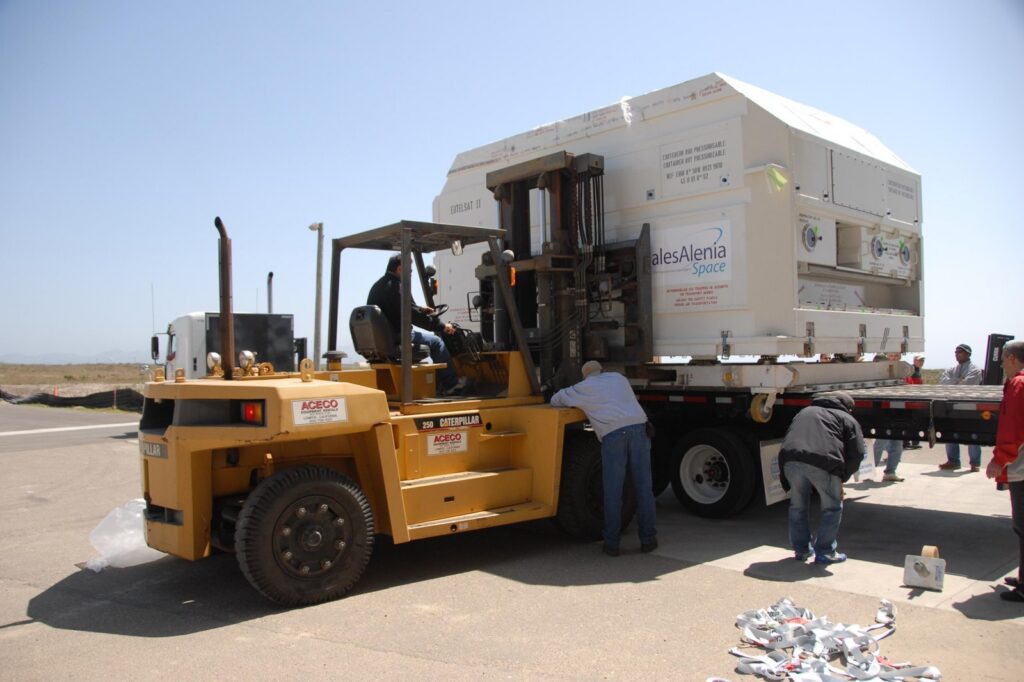
SMRs are distinguished by their modular, factory-built designs, which allow components to be manufactured off-site and transported as prefabricated units to installation locations. This approach contrasts with the traditional light-water reactor model, which requires massive on-site construction campaigns. Commercial SMRs can deliver electrical power output as low as 10 megawatts per module, with reactors below this threshold classified as nuclear microreactors. A defining technical feature across many SMR designs is the incorporation of passive safety systems; these features are engineered to operate without external power or human intervention during emergency scenarios, relying on natural circulation and gravity to maintain core cooling. Beyond electricity generation, SMRs may be configured for desalination or process heat, expanding their utility for military applications such as forward operating bases or remote installations. Advanced SMRs are also claimed to offer distinct safeguards, security, and nonproliferation advantages compared to larger, conventional plants, a factor that figures into their appeal for defense planners.
Strategic Advantages and Logistics
The primary tactical advantage cited for SMR deployment is their reduced physical footprint and the ability to site units in remote locations where grid infrastructure is absent or unreliable. For military forces, this capability translates to the prospect of drawing power exclusively from a behind-the-meter source without purchasing electricity from a contested or damaged national grid. In active conflict zones, the elimination of fuel convoys—often the most vulnerable logistical chain for forward operating bases—could significantly reduce casualty rates and operational costs associated with transport security. The modular nature of the technology also permits incremental power additions, allowing commanders to scale energy output to match mission requirements rather than committing to a single, large-scale installation. These attributes position SMRs as a potential enabler of sustained operations in dispersed or austere environments.
Strategic Risks and Vulnerabilities
Despite their technical promise, the integration of SMRs into military operations introduces strategic vulnerabilities that adversaries may exploit. A portable reactor, particularly one sited at a forward base, becomes a fixed asset that an opposing force may target to degrade an opponent’s power generation capability. The supply chain dependency inherent in modular construction—reliant on specialized fabrication facilities and transport networks—could present points of disruption or compromise. Furthermore, the deployment of nuclear technology in conflict-prone regions raises concerns regarding the security of fissile materials and the potential for radiological dispersal in the event of combat damage. These risks necessitate rigorous physical security protocols and nonproliferation safeguards, the specifics of which remain under development as the technology moves from demonstration toward operational use.
Economic and Industrial Drivers
Beyond military applications, SMRs have attracted significant interest from the private sector, particularly from major technology companies such as Google and Microsoft. These firms are exploring the use of modular reactors to power data centers, a move driven by the rising energy demands of the artificial intelligence boom. By utilizing SMRs, operators can secure electricity from a behind-the-meter source, effectively bypassing the need to purchase power from the public grid. This shift is viewed as a strategy to ensure reliable, clean baseload power for energy-intensive digital infrastructure.
The economic appeal of SMRs is further bolstered by claims that they can lower power plant staffing costs due to their simplified operation. Proponents suggest that the modular approach allows developers to circumvent the financial and safety barriers that have historically inhibited the construction of conventional, large-scale nuclear reactors. By manufacturing components in factories and transporting them as prefabricated units, companies expect to reduce both construction time and capital investment. While SMRs are currently in development across the United States, their adoption is also being observed globally, with small reactors already in use in Russia and China, and recent approvals for use in Ontario, Canada.
Global Deployment and Regulatory Landscape
While significant development efforts are concentrated within the United States under Department of Energy initiatives, the operational landscape for small modular reactors extends beyond North America. Small reactors are already in use in Russia and China, indicating that commercial deployment is an active global endeavor rather than a solely domestic American project. This international presence suggests that technology transfer and cross-border regulatory alignment will become critical factors as the industry matures.
In North America outside the United States, specific sites are being evaluated for potential SMR installation. In Vermont, Public Service Commissioner Kerrick Johnson noted that a new small modular reactor might be suitable for the former Vermont Yankee site in Vernon, which cleared its 600-megawatt unit after it shut down in 2014. Although Johnson estimated deployment is seven or eight years away, the state retains a right of first refusal on the site included in a 2018 memorandum of understanding signed with Entergy Nuclear and NorthStar Group Services.
The regulatory environment remains distinct for these emerging technologies. As of March 2026, most SMR designs are light-water reactors, though concepts encompass generation IV, thermal-neutron, fast-neutron, molten salt, and gas-cooled reactor models. The United States Nuclear Regulatory Commission defines SMRs specifically as only light-water reactors, creating a definitional boundary that may differ from international classifications where the term includes various non-light water coolant systems.
Sources
- Small modular reactor
- Advanced Small Modular Reactors (SMRs)
- Could nuclear power return to Vernon? – VTDigger
Photo: Glenn Research Center (Public domain)