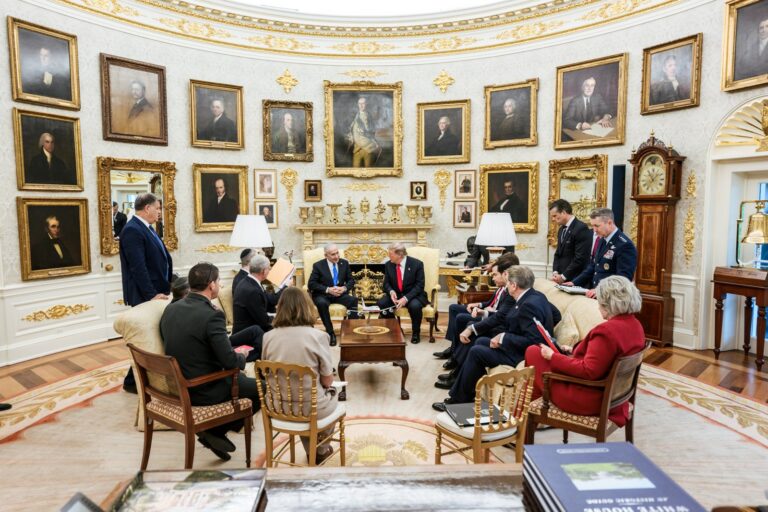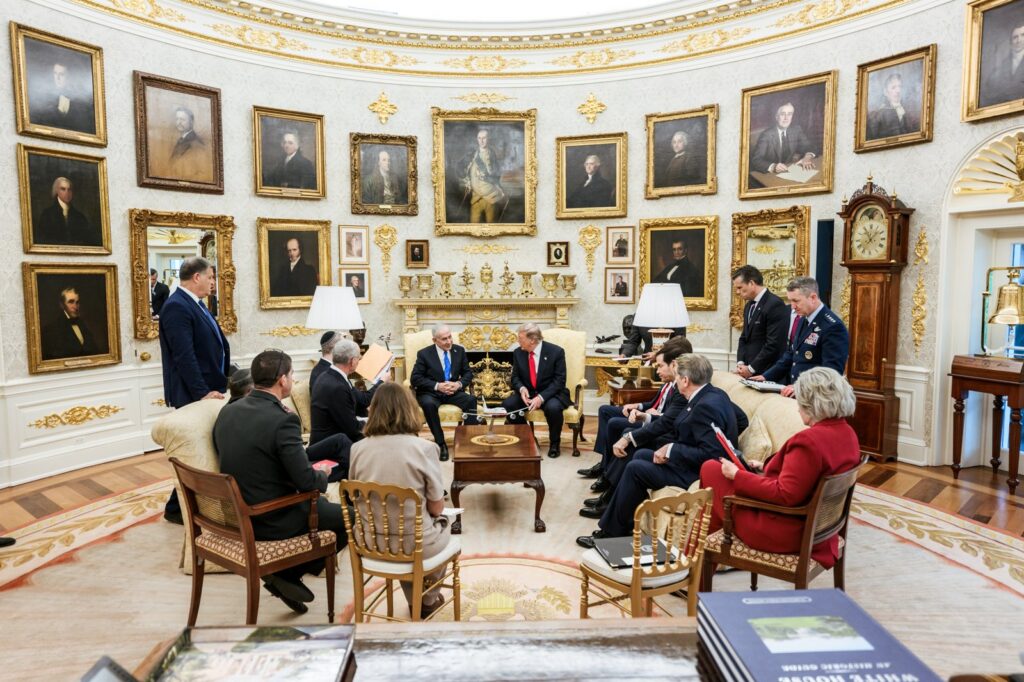
As Israelis head to the polls on Tuesday, Prime Minister Benjamin Netanyahu faces a defining electoral test that could fundamentally alter the nation’s alliances and security posture. Analysts are watching closely to see if a leadership change will reshape relations with the United States or shift regional stability structures in ways that affect families across the region.
A Historic Political Challenge
This marks the first nationwide election in Israel since the October 7, 2023, Hamas-led attacks, which triggered a major security crisis and three years of war. For most Israelis, the man who has defined the continuing legacy of that day is Netanyahu, yet many opponents believe he has repeatedly evaded responsibility for the intelligence failures leading up to the attacks.
Netanyahu has led Israel for nearly 19 of the past 30 years, with security often a core part of his pitch to voters. The 77-year-old has survived political defeats before, only to come back stronger, but a groundswell of opposition could make this one of the most formidable challenges of his political career.
Beyond politics, the election is also about his personal freedom. Netanyahu is seeking re-election while also facing long-running criminal cases domestically on charges of fraud, breach of trust and bribery. Critics have derisively accused him of running to stay out of jail, noting that his grip on power affords him political privileges that could change if he is voted out.
The Numbers Behind the Race
Israel’s parliament, the Knesset, has 120 seats, meaning that a majority of 61 seats is required for a government to take power. Under its proportional representation system, governments have always been coalitions, and if no bloc can form a majority, a minority group can take power.
Polling puts incumbent Netanyahu and his right-wing Likud party in a tight race with Gadi Eisenkot, who formed the centrist Yashar Party only last year. Polling suggests Yashar has come first in eight out of nine polls with an average of 22.1 seats, while Likud averaged 20.6.
The outgoing coalition parties—Likud, Religious Zionism-Zehut, Otzma Yehudit, Shas and United Torah Judaism—have only 50.2 seats between them, which is far short of the 61 required to retain power. This is down from an average of 51.7 in January.
Other figures in the frame include former prime ministers Naftali Bennett and Yair Lapid running on the joint B’Yachad ticket, along with Avigdor Lieberman from secular right-wing Yisrael Beiteinu and two Arab party blocs.
What It Means for Regional Families
If Netanyahu loses or his coalition collapses, it could force Israel to reconsider its approach to the United States. During Trump’s first presidency, the US recognized Jerusalem as capital of Israel, Israeli sovereignty over the Golan Heights, and brokered the Abraham Accords between Israel and the Arab world.
A new government might need to recalibrate these relationships, especially given that Netanyahu made his closeness to Donald Trump central to his appeal from 2016. For communities across Asia and the Middle East, a shift in Israeli leadership could mean different diplomatic pathways or changes in how regional conflicts are managed.
Experts note that this is the country’s most important election since its founding. As one expert put it, “This is the first opportunity since 2023 to really express, other than through protests, what citizens feel about the government.”
The outcome will likely impact not just Israel but also neighbors and global powers watching closely. For families in the region, a change in leadership could mean new security realities or altered economic ties.
Closer to Home: The Human Impact
For ordinary people living through these conflicts, the election represents a chance for their voices to be heard beyond the noise of war. Whether it leads to a more centrist approach or a continuation of current policies will shape daily life for millions.
The uncertainty of the outcome underscores how crucial this moment is for democracy and stability in the region. As polls show a potential deadlock, the coming days will reveal whether Israel can find a new path forward that keeps its people safe while honoring their democratic values.
The Shadow of Criminal Charges
Netanyahu’s campaign is inextricably linked to his ongoing legal battles, with critics explicitly accusing him of running for office primarily to avoid incarceration. He faces domestic criminal cases on charges of fraud, breach of trust, and bribery, allegations he has dismissed as a politically motivated witch-hunt. His current grip on power affords him specific political privileges that allow him to drag out these proceedings, but analysts note that losing the election could fundamentally alter this dynamic.
The legal scrutiny extends beyond simple accusations of misconduct. Last month, Netanyahu threatened to sue Israeli newspaper Haaretz over a report alleging he had been warned about the October 7 attacks ahead of time. This incident highlights how his past actions and statements regarding the crisis continue to drive significant debate among voters. His opponents, particularly his strongest rival Gadi Eisenkot, have rallied around calls for an independent commission of inquiry to investigate the attacks, a move Netanyahu has opposed.
The stakes of these legal and political maneuvers are high, affecting not just the Prime Minister but the broader national security posture. Critics further accuse Netanyahu of helping to keep Hamas in power in Gaza in the years preceding October 7, prioritizing the fight against that group over rescuing hostages in the immediate aftermath. These specific actions, combined with his stance on intelligence failures, form a central pillar of the opposition’s platform. The election represents a critical moment where citizens can express their feelings about these government failures through the ballot rather than protests.
Sources
- What to know about the Israeli elections as Netanyahu faces a battle for survival
- Benjamin Netanyahu
- Will Benjamin Netanyahu win Israel election? What polls show
Photo: Daniel Torok (Public domain (US government work))