
The Adriana’s Sinking: A Crisis of Capacity and Complicity
Five hundred people are presumed dead. The number is an estimate, a grim official acknowledgement that the fishing trawler Adriana, built to hold 400, was carrying somewhere between 400 and 750 souls when it went down in the Ionian Sea on June 14, 2023. The vessel had been at sea for four days, having left Tobruk, Libya, on June 10.
It was heading for Italy. It never arrived.
The Hellenic Coast Guard knew about the boat. They were alerted on June 13. A helicopter was dispatched.
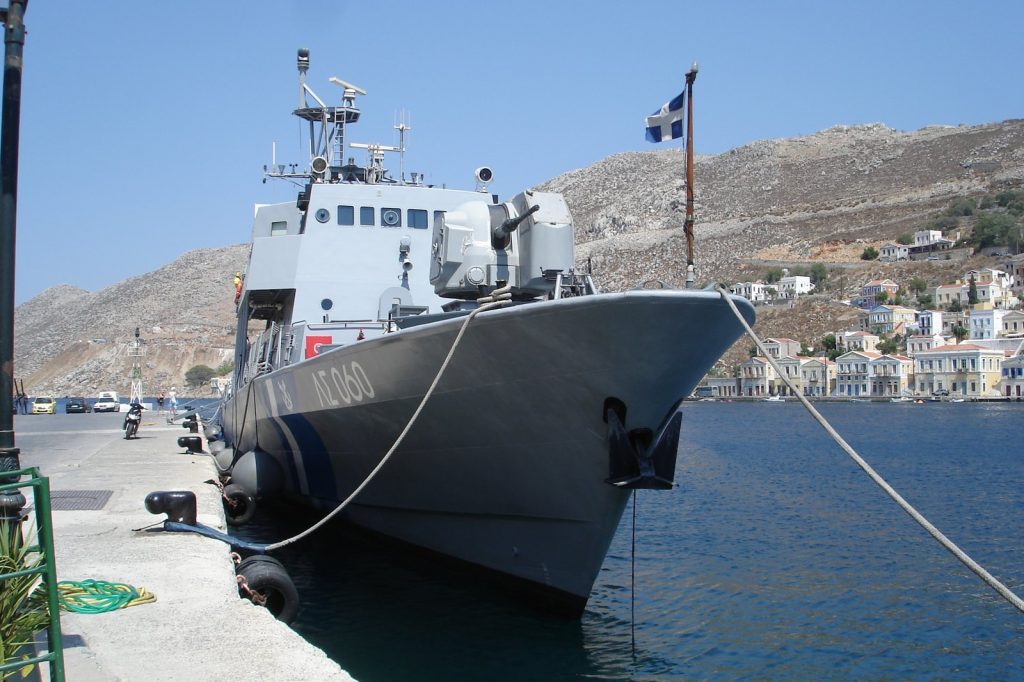
Aerial photos were taken. A Coast Guard vessel, the ΠΠΛΣ-920, arrived on the scene.
By some accounts, it stayed there, observing, until the Adriana capsized and sank. The weather was calm. The boat was overcrowded.
The question that hangs over this disaster is not whether the Adriana was in danger. It was. The question is why a vessel in plain sight, in international waters, under observation, was allowed to founder with no effective intervention until it was too late.
This tragedy is not an isolated act of God or a freak accident. It is the logical endpoint of a system that has spent years externalizing the problem of migration.
Greece is a frontline state in the European Union’s border regime. The Coast Guard’s stated role is to patrol and police. Rescue, when it happens, is often framed as a secondary obligation, something to be offered and then allegedly refused.
The report notes that assistance was allegedly refused by those on the Adriana. That detail, whether true or not, becomes a justification for inaction.
A helicopter takes photos. A patrol boat watches. The sea takes the rest.
The victims were mostly from Pakistan, Syria, Palestine, and Egypt. Some were from Afghanistan. They were not a faceless mass; they were people who paid smugglers for a passage that ended in a capsized hull.
The 104 men rescued are the survivors of a vessel that was never meant to carry that many people. The 82 bodies recovered are a fraction of the total.
Over 500 remain unaccounted for. The Mediterranean has become a graveyard with no markers. What this disaster means for the future is grimly predictable.
The route from Libya to Italy will remain open. The smugglers will continue to pack boats beyond capacity.
The Coast Guard will continue to monitor. The European Union will continue to fund border security measures that prioritize deterrence over rescue. The pattern is established.
The Adriana is just one data point in a long, bloody trend line. The Ionian Sea is calm in June. That calmness was not enough to save the people on that trawler.
The search and rescue operation that followed was massive. The military was involved.
But it was a recovery effort, not a rescue. The moment the boat capsized, the outcome was sealed. The authorities were left with bodies and a body count that officials acknowledge is incomplete.
The number 500 is a placeholder for the missing. It is a political number as much as a human one.
This event raises uncomfortable questions about what the Hellenic Coast Guard is for. If a patrol vessel can watch a sinking ship in calm waters and do nothing to prevent the sinking, then the line between observation and complicity blurs. The report says the vessel “remained there as an observer.” That is a bureaucratic word for a moral failure.
The Adriana did not sink because of a storm. It sank because it was too full, too far from shore, and too visible to be ignored but not visible enough to be saved. The forces behind this disaster are not new.
They are the same forces that have driven migration across the Mediterranean for a decade: war, poverty, and a European border policy that outsources the dirty work to Libya and the Coast Guard. The likely result is more of the same.
More boats. More deaths. More official statements expressing regret.
The Adriana is a symptom, not a cause. The system that let it sink is still in place.
The next boat is already at sea.




