Sirens went off across central Israel a little after 6:30 a.m. on Sunday as Iranian missiles came in. “For the 20th time in the last 24 hours, millions of Israelis run to shelter across Israel under Iranian missile fire,” the Israel Defense Forces wrote.
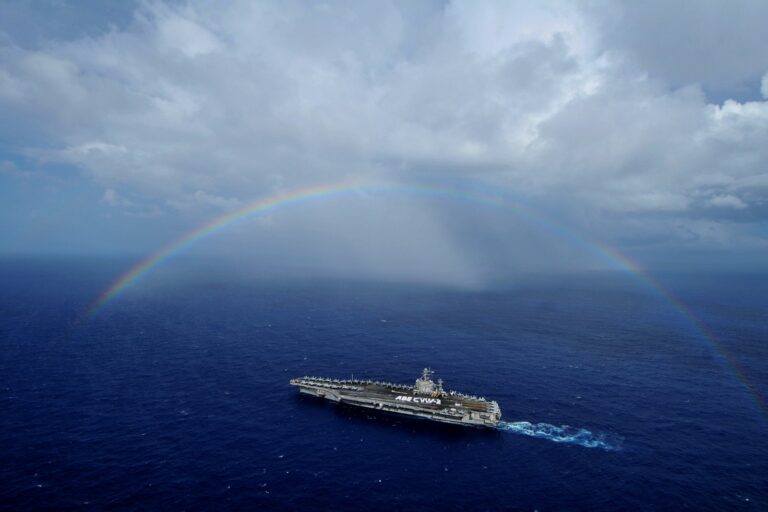
The day before, President Donald Trump had announced that a massive US and Israeli military operation killed Iran’s Supreme Leader, Ayatollah Ali Khamenei. Sources told CBS News the opening strikes are believed to have killed about 40 Iranian officials. A second round of strikes followed early Sunday local time.
Trump’s message
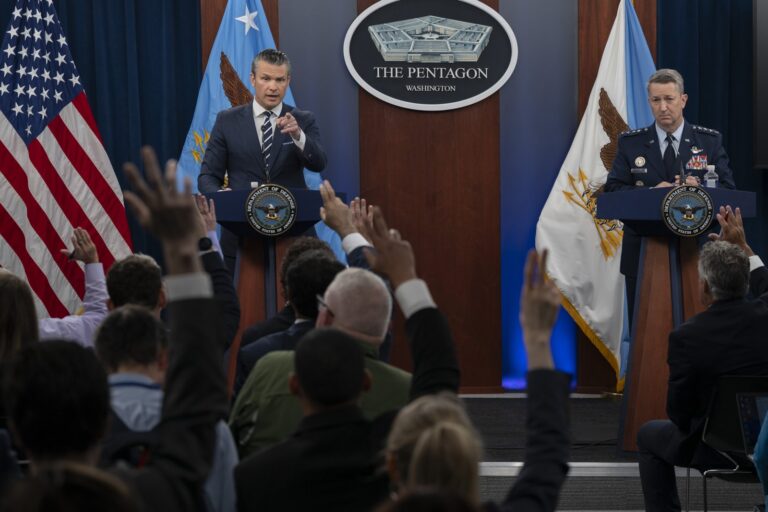
Trump said on social media that “heavy and pinpoint bombing” would “continue, uninterrupted throughout the week or, as long as necessary.” He urged Iran’s military to put down its weapons and told ordinary Iranians to “take over your government.” On Sunday he warned Tehran against hitting back hard: “THEY BETTER NOT DO THAT, HOWEVER, BECAUSE IF THEY DO, WE WILL HIT THEM WITH A FORCE THAT HAS NEVER BEEN SEEN BEFORE!”
Israel’s military said it struck at least 30 sites in western and central Iran, among them air defense systems, missile launchers and command centers. It later said its jets had reached targets in “the heart of Tehran” for the first time since the campaign began.
Iran’s answer
Iranian state television reported that the chief of army staff, Gen. Abdol Rahim Mousavi, and Defense Minister Gen. Aziz Nasirzadeh died in an airstrike on a defense council meeting. The head of the Revolutionary Guard and security adviser Ali Shamkhani were killed there too.
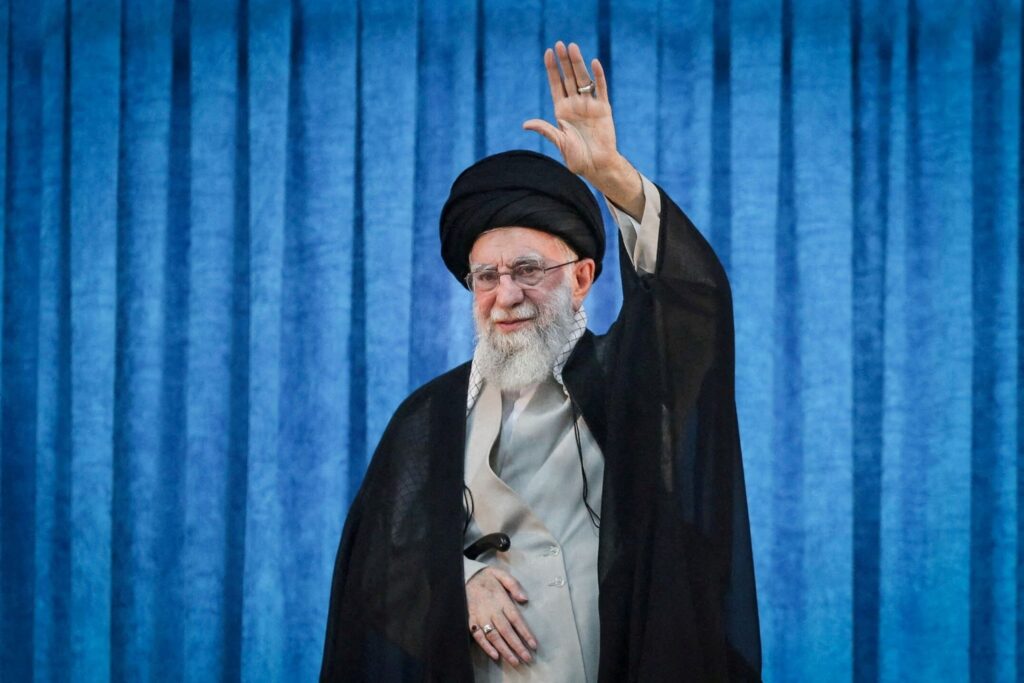
President Masoud Pezeshkian called Khamenei’s killing a “declaration of war against Muslims, particularly Shiites across the globe.” Parliament speaker Mohammad Bagher Qalibaf said, “You have crossed our red line and must pay the price.” The Revolutionary Guard promised “the most ferocious offensive operation in the history of the Iranian armed forces” against US bases and Israel. Ali Larijani, secretary of the Supreme National Security Council, said a leadership council would take over the supreme leader’s duties until a successor is chosen.
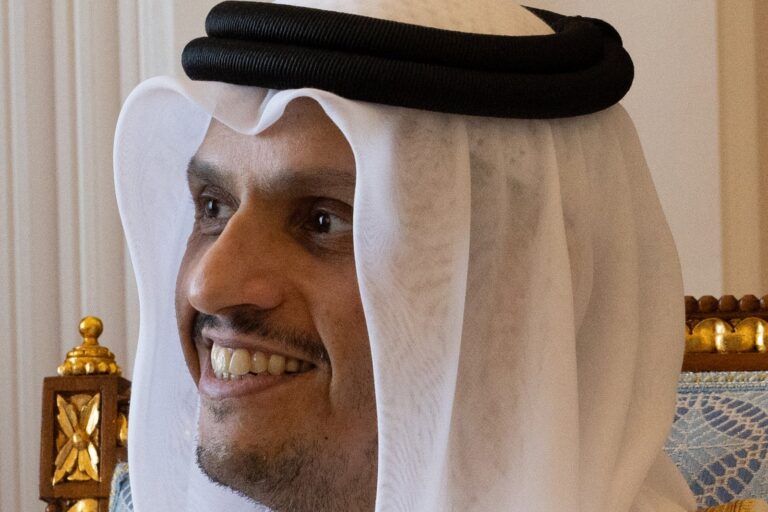
Gulf cities felt the retaliation. Reporters heard fresh blasts in Dubai, Doha and Manama on Sunday morning. The UAE’s defense ministry said Iran fired 137 missiles and 209 drones at the country, and one person died at Abu Dhabi Airport. In Tel Aviv, an Iranian missile killed one person and injured more than two dozen on Saturday.
Protests abroad
The fallout reached well beyond the battlefield. At least nine people died and about two dozen were wounded in Karachi, Pakistan, when hundreds of protesters stormed the US Consulate. Senior police official Irfan Baloch said the crowd was dispersed and denied that the consulate building burned, though protesters torched a nearby police post. Iraq tightened security around Baghdad’s Green Zone, where one video showed forces using water cannons and tear gas on protesters.
The International Atomic Energy Agency’s board scheduled a special meeting in Vienna on Monday at Russia’s request. Its director general, Rafael Grossi, had said the week before that most of Iran’s nuclear material was “still there, in large quantities.”
In Tehran, some people celebrated in the streets. Iranian-American activist Masih Alinejad, whose parents and siblings live in Iran, said people were “screaming out of joy because they believe this is going to be the beginning of a future that we don’t have killers in power.”