
Richer countries will lead payments under a climate finance deal worth more than $460 billion a year until 2035, adopted at the COP29 summit in Baku, Azerbaijan. The money is meant to help developing nations cope with the effects of climate change.
The new target replaces the $100 billion a year that developed countries promised poorer ones by 2020. They hit that figure two years late, in 2022, and the pledge runs out in 2025.
Developing countries had gone into the final stretch asking for around $US390 billion in annual funding. The compromise did not satisfy everyone.
India objects
Soon after the agreement was reached, India’s delegate Chandni Raina took the floor at the closing plenary and said her country strongly objected. “I regret to say that this document is nothing more than an optical illusion,” she said. “This, in our opinion, will not address the enormity of the challenge we all face. Therefore, we oppose the adoption of this document.”
UN Secretary General Antonio Guterres admitted he had hoped for a “more ambitious outcome” but said the deal “provides a base on which to build.” His demand was short: “Commitments must quickly become cash.”
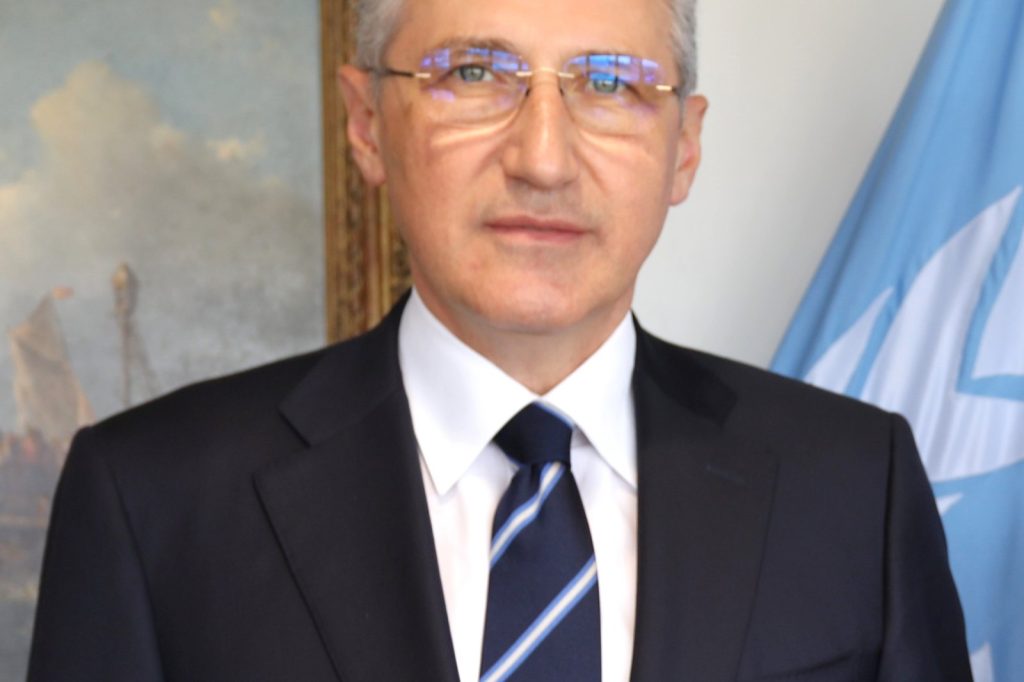
The UN climate chief struck a similar note. “It has been a difficult journey, but we’ve delivered a deal,” he said once the text was adopted, then called it an insurance policy for humanity. “But like any insurance policy, it only works if the premiums are paid in full, and on time.”
Walkout on Saturday
Talks nearly came apart earlier that day. Negotiators for the least developed countries and the small island nations walked out of a negotiating room in frustration, though they said they still wanted a deal. “We want nothing more than to continue to engage, but the process must be inclusive,” the Alliance of Small Island States said in a statement. Fiji’s Deputy Prime Minister Biman Prasad stayed upbeat. “When it comes to money it’s always controversial but we are expecting a deal tonight,” he said.
Carbon market rules
Countries also settled rules for a global market in carbon credits. Such credits come from activities that cut or avoid greenhouse gas emissions, for example planting trees, protecting existing carbon sinks or replacing coal with clean energy. Until now they have mostly traded on an unregulated market dogged by scandal.
The new system has two parts: a UN-run platform open to both states and companies, and a scheme for trading directly between countries. Backers say it could channel billions more dollars into projects from reforestation to clean energy technology.
Doubts remain. Some experts question whether credits on the regulated market will be much better in quality than earlier ones. Erika Lennon of the Center for International Environmental Law said the markets must not create “even more problems and more scandals than the voluntary carbon markets.”




