
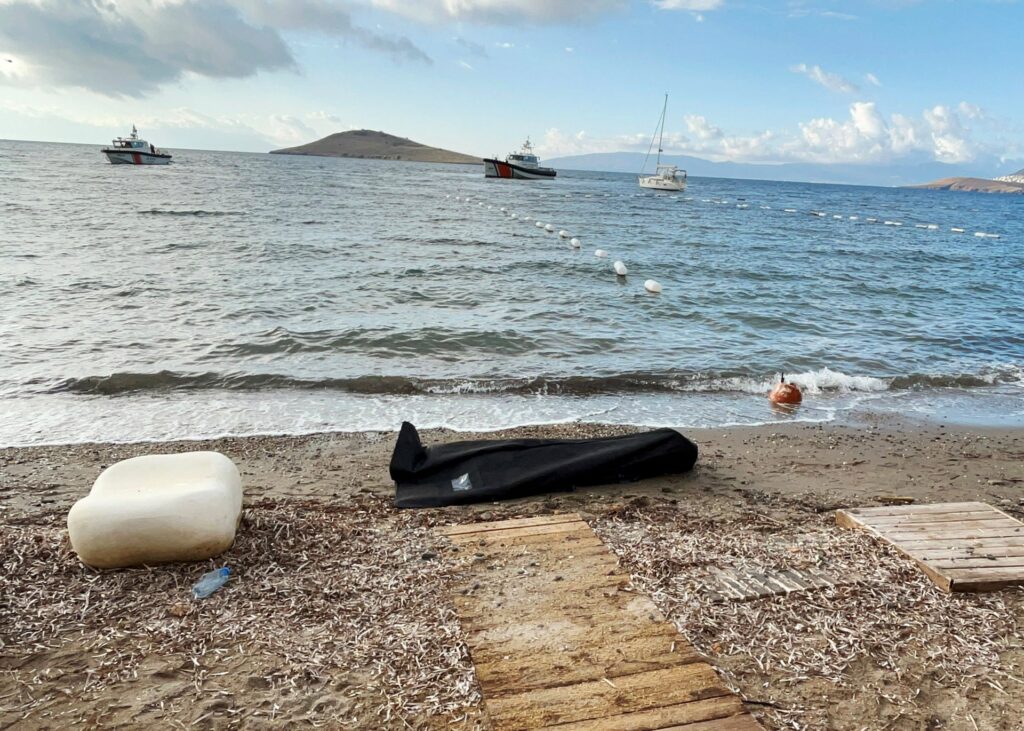
On October 24, 2025, an inflatable rubber vessel went down off the coast of Bodrum, a town that sits at the mouth of the Gulf of Gökova. The area is known for its whitewashed houses, a crusader castle and a heritage that stretches back to the Dorian Greeks. The sinking claimed fourteen lives.
Two people remain unaccounted for, while two others were pulled from the water alive. This gives a stark ratio of seven deaths for every survivor.
The craft involved was not a ferry or a fishing trawler but a simple rubber boat. Such inflatable vessels are prone to punctures, capsize easily and provide virtually no protection to those aboard.
Layers of History and a Modern Failure
Bodrum was once the ancient city of Halicarnassus, home to the Mausoleum of Mausolus, one of the Seven Wonders of the Ancient World. Built by Artemisia for her husband, that monument celebrated individual power. The recent tragedy, by contrast, stands as a reminder of systemic shortcomings in keeping people safe on the water.
The Gulf of Gökova is recognised as a sensitive marine ecosystem. Turkish authorities have designated protected zones within it and have issued regulations aimed at curbing pollution from maritime traffic.
Those measures exist on paper, yet they did not prevent the rubber boat from sinking, nor did they govern the type of vessel that made the journey.
Rescue Efforts and Outstanding Questions
The two survivors owe their lives to someone who spotted them, reached them and hauled them from the sea. The fourteen who perished did not receive timely assistance, and the two still missing are unlikely to be found.
Discussions about broader environmental strategies often mention renewable energy—wind and solar power—as a way to lessen dependence on fossil fuels and reduce the ecological footprint of shipping. While those points are accurate, they do not address the immediate loss of life, cannot render a rubber boat seaworthy and will not stop another similar incident from occurring.
Policy, Action and the Need for Change
The government has taken steps: establishing marine protected areas and passing pollution‑control regulations. Those actions are real, but the accident shows they were insufficient to avert the disaster.
The central question is not whether authorities acted, but whether their measures were adequate. The answer lies in the waters off Bodrum: fourteen bodies, two empty spaces where individuals once were, and two survivors who lived to tell the tale.
Impact on Tourism and Future Priorities
Bodrum draws visitors for its layered history, its natural beauty and the perception of safety. A rubber boat sinking shatters that perception, signalling to tourists that the sea may be hazardous and that guarantees of protection cannot be assumed. Long‑term stewardship of the Gulf of Gökova demands vigilance against pollution and safeguarding of marine life.
Those goals remain vital. However, the pressing short‑term objective is clear: prevent further loss of life on rubber boats.
On October 24, that goal was not met, as the hard facts—fourteen dead, two missing, two rescued—remain unchanged and stark.




