
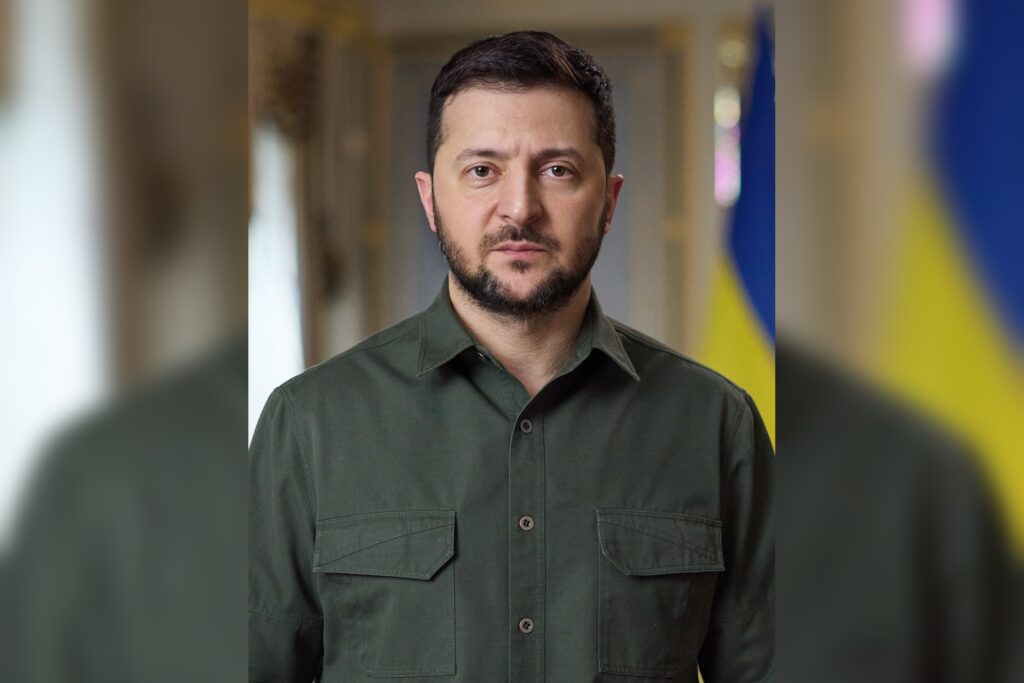
KYIV, February 4 — In the corridors of power in Moscow, a quiet but potentially significant shift may be underway. Ukrainian President Volodymyr Zelenskyy stated that he has received intelligence indicating there are individuals within Russian President Vladimir Putin’s inner circle who support ending the war in Ukraine. Speaking at a press conference in Kyiv, Zelenskyy did not name specific individuals but asserted that the support for peace comes from people close to Putin who recognize the unsustainable costs of the conflict.
The claim of internal Russian dissent has not been independently verified, and Kremlin spokesman Dmitry Peskov dismissed the suggestion as unfounded. Against this backdrop, the war, which began with Russia’s full-scale invasion on February 24, 2022, has resulted in tens of thousands of casualties and massive destruction across Ukraine.
Zelenskyy’s remarks come amid ongoing international diplomatic efforts, including proposed peace frameworks from China and Turkey, and as Ukraine continues to face Russian offensives in the eastern Donetsk and Luhansk regions.
What is at stake in any peace settlement
The Ukrainian president emphasized that any peace settlement must restore Ukraine’s territorial integrity, including Crimea, which Russia annexed in 2014. This position remains a red line for Kyiv, even as diplomatic channels multiply. Zelenskyy also noted that Ukraine’s Western allies, including the United States and European Union, have provided over $200 billion in military, economic, and humanitarian aid since the invasion.
The wider picture includes previous reports of tensions within the Russian elite, including the death of Wagner Group leader Yevgeny Prigozhin in a plane crash on August 23, 2023, after his brief mutiny in June 2023. That episode laid bare fractures within the Russian power structure that had previously been hidden from public view.
Unverified claims and diplomatic push
Zelenskyy’s assertion of pro-peace sentiment inside Putin’s circle has been met with skepticism in some Western capitals. Without named sources or verifiable evidence, the claim remains a diplomatic gambit as much as a factual assertion. Yet it signals that Kyiv is actively monitoring and seeking to exploit any divisions within the Kremlin’s leadership.
What to watch next is whether any concrete defections or policy shifts emerge from within the Russian elite, or whether this remains another unsubstantiated claim in a war defined by information operations as much as artillery barrages. The coming months of fighting in Donetsk and Luhansk, combined with diplomatic initiatives from Beijing and Ankara, will test whether any internal Russian sentiment for peace can translate into real movement toward negotiations.




