
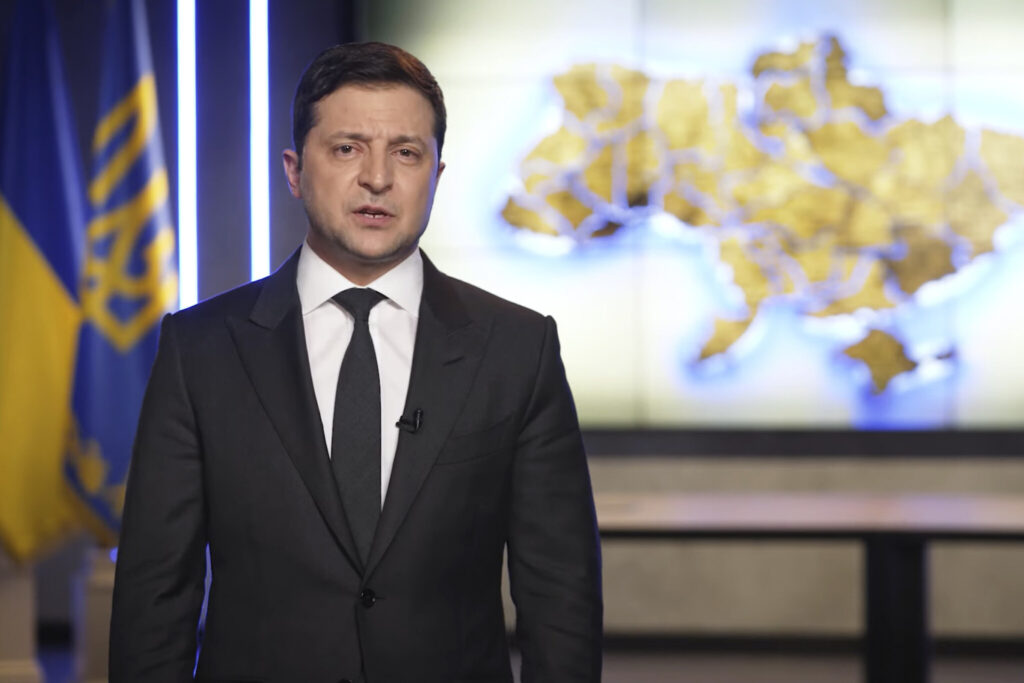
As Ukraine’s grinding war with Russia enters another phase of attrition and the Kremlin faces deepening international isolation, a single assertion from President Volodymyr Zelenskyy has drawn attention to the possibility of fractures within the highest levels of the Russian government. Zelenskyy said support for his position exists within the inner circle of President Vladimir Putin, though he did not name specific individuals. The claim, unverifiable for now, nonetheless resonates with a long historical pattern: internal dissent has repeatedly surfaced among Russian military and political leaders during difficult conflicts, sometimes with regime-altering consequences.
Historical patterns of dissent in Russian leadership
Dissent within Russia’s ruling structure is not unprecedented. During the Crimean War of 1853 to 1856, Tsar Nicholas II faced pointed criticism from his own military commanders as the campaign against the Ottoman Empire, Britain, and France faltered. That disconnect between the imperial throne and the realities of the battlefield foreshadowed deeper fractures.
World War I proved far more devastating: the Russian army, staggering under immense casualties and plagued by poor logistics, experienced widespread mutinies and desertions. These fractures within the military hierarchy did not merely weaken the war effort; they helped pave the way for the 1917 Revolution, which swept away the Romanov dynasty entirely.
The lesson was clear: when the men with guns lose faith in their commanders, the entire edifice can crumble. More recent conflicts offer additional parallels. The Soviet-Afghan War, which lasted from 1979 to 1989, saw heated internal debates within the Politburo, the highest decision-making body of the Soviet Union.
Some members openly opposed the invasion of Afghanistan, arguing it would become a quagmire. Those warnings proved prescient, yet the invasion went ahead, and the Soviet Union eventually withdrew in defeat—a humiliation that accelerated its own collapse.
The Chechen Wars, fought from 1994 to 1996 and again from 1999 to 2009, were punctuated by reports of serious disagreements between military commanders and political leaders in Moscow. The Kremlin’s strategy was often at odds with the realities on the ground in Grozny, leading to costly tactical errors and a brutal, protracted conflict that tested the loyalty of the officer corps. Perhaps the most alarming recent example for the current Kremlin leadership is the Wagner Group mutiny in June 2023.
Yevgeny Prigozhin, the mercenary chief who had built his private army into a formidable fighting force, turned his guns on the Russian military establishment. His rebellion involved a march on Moscow, a column of armed men advancing toward the capital before the advance was halted, apparently through negotiation.
Prigozhin died in a plane crash in August 2023, an event that many saw as a settling of accounts. Yet the mutiny itself demonstrated that even the most loyal soldiers could be turned against the state, exposing fresh cracks within the security establishment.
What the claim reveals about Kremlin fragility
What is at stake in Zelenskyy’s claim is not merely a piece of wartime propaganda. The wider picture suggests that the Ukrainian president is attempting to exploit a known vulnerability.
If there are indeed figures within Putin’s circle who question the direction of the war, or who see a negotiated settlement as preferable to continued attrition, then the political landscape inside the Kremlin may be more fragile than it appears from the outside. Russian leadership has long been shaped by centralization under a dominant figure, a pattern that stretches from the tsars through the Soviet era to the present.
The Russian SFSR emerged as the core of the Soviet Union, holding the largest share of its resources and population, and later became the recognized successor state after the USSR dissolved in the early 1990s. Boris Yeltsin’s presidency marked the first attempt at a more open political system, but power soon reconcentrated under a single leader.
Internal divisions have repeatedly surfaced during military conflicts, from the Crimean War to the Soviet-Afghan campaign and the Chechen Wars. Such fractures reveal the persistent tension between centralized command and the pressures of war, which can destabilize the regime if left unchecked. For now, the names remain unspoken and the evidence circumstantial.
But history, from the Crimean battlefields to the Wagner columns on the road to Moscow, suggests that the seeds of dissent, once sown, do not easily wither. The question that hangs over the coming months is whether those seeds have taken root in the highest reaches of Russian power.




