
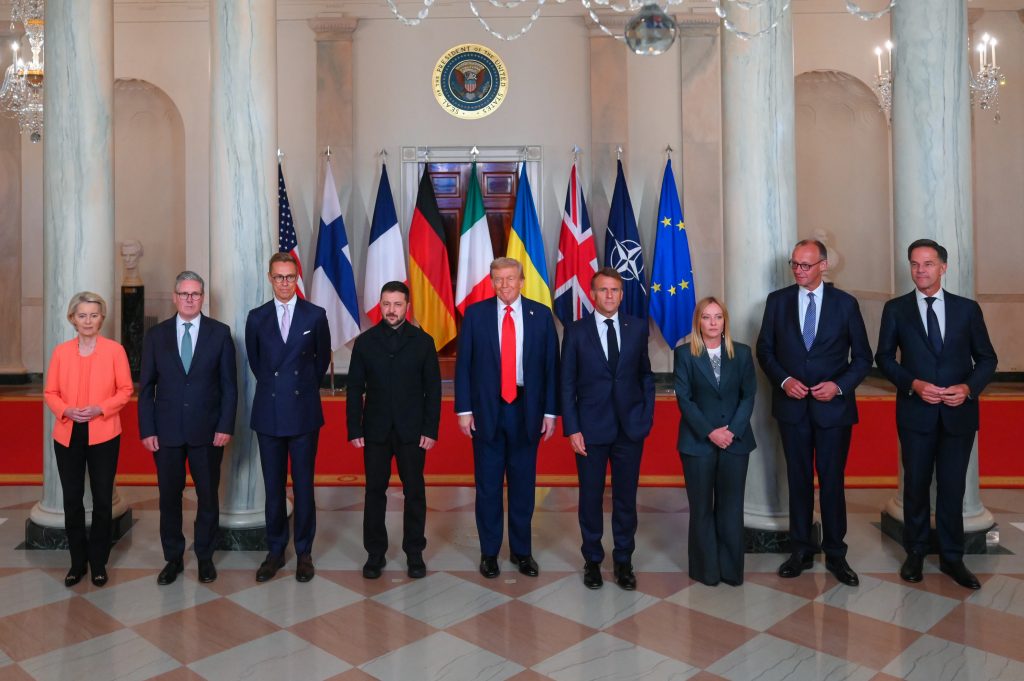
KYIV, July 6 — Against this backdrop of war and diplomatic manoeuvring, the reported decision to block Ukrainian President Volodymyr Zelensky from addressing an upcoming NATO summit has sent a ripple of unease through European capitals. What is at stake is not merely a speaking slot, but the fragile consensus underpinning Western support for Kyiv as the conflict continues. The incident is set against the wider picture of Ukraine’s long and often fraught relationship with the alliance.
Since the 2008 Bucharest summit, where NATO declared that Ukraine would eventually become a member, the promise has remained more aspirational than operational. Russia’s annexation of Crimea in 2014 and its full-scale invasion in 2022 dramatically accelerated Kyiv’s push for deeper cooperation, including a formal invitation to join.
Yet the summit’s final communiqué is expected to reaffirm support for Ukraine without offering a clear membership path, a position that has frustrated Ukrainian officials. In the corridors of NATO headquarters, the reported ban on Zelensky’s speech is being viewed as more than a procedural snub. It could strain relations at a critical moment, potentially affecting future aid packages and military support.
NATO members have already provided billions in assistance, including weapons and training, but the war’s duration has tested the political will of some member states. The timing is delicate.
The incident may also fuel debate in the United States about the influence of domestic politics on foreign policy. With a sitting administration, the question of how much Washington’s internal divisions shape its commitment to Kyiv is growing louder. For European allies, the episode underscores a familiar anxiety: that Ukraine’s fate hinges on political calculations far beyond its borders.
As the summit approaches, the absence of a Ukrainian voice from the podium could speak louder than any communiqué. What remains to be seen is whether this diplomatic turbulence will harden into a realignment of support, or prove to be a passing storm in a long and grinding war.




