
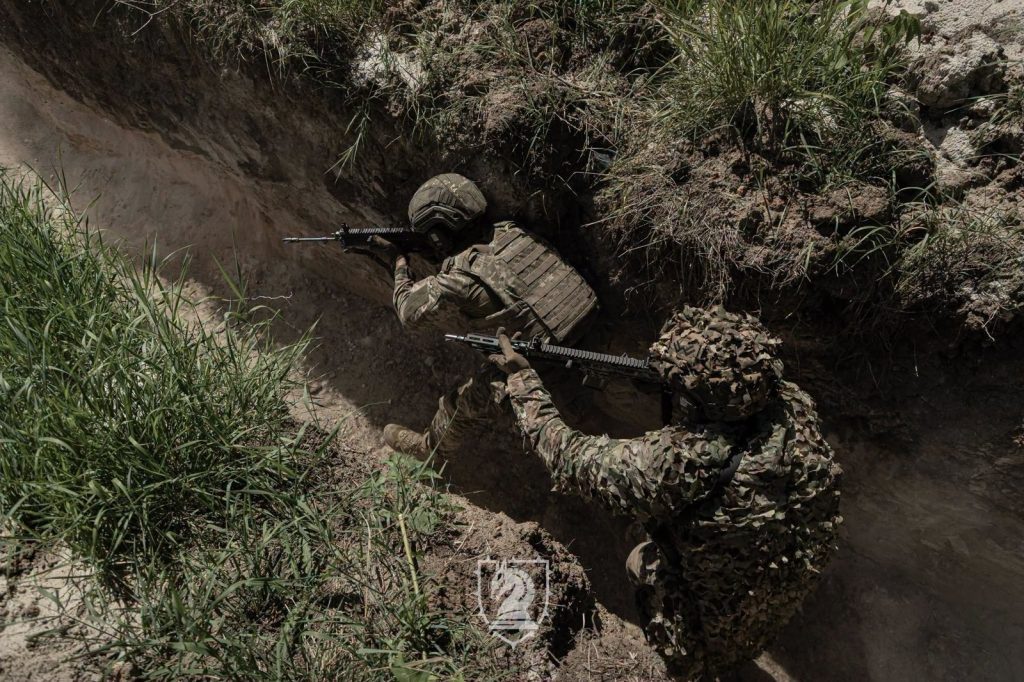
KYIV, July 15 — The front line in Ukraine remains largely static as of March 2025, but the mechanics of this war are shifting beneath the surface. Russian forces are making incremental gains in Donetsk, while Ukrainian troops hold defensive positions. The catch is that both sides are playing a waiting game, and the resources available to each will determine who can wait longer.
Ukraine’s military is facing manpower shortages. That is not a speculative point — it is a verifiable constraint on Kyiv’s ability to rotate troops, hold ground, or launch counteroffensives.
Russia, meanwhile, has increased its defense spending to 6% of GDP. Follow the money: that is a significant economic commitment for a wartime economy, and it signals Moscow’s calculation that the conflict will be protracted. The diplomatic calendar offers one clear window.
Switzerland has proposed a peace summit for June 2025. That is the next major opportunity for a negotiated settlement, but the path to that table is cluttered with preconditions and mutual distrust.
European leaders have pledged continued support for Ukraine, though the fine print of those pledges — delivery timelines, ammunition quantities, financial mechanisms — remains the operative question.
The American variable
The US presidential election in November 2024 could shift policy. Donald Trump, if elected, has suggested he could end the war quickly. On closer reading, that claim lacks operational detail — no timeline, no mechanism, no concessions specified.
But the mere possibility of a change in Washington’s posture introduces uncertainty into both Kyiv’s planning and Moscow’s calculations. European leaders, for their part, have pledged continued support.
The question is whether that support translates into sustainable military aid or remains a series of verbal commitments. The mechanics here are straightforward: Ukraine needs shells, drones, armor, and trained personnel. Promises do not stop Russian advances in Donetsk.
Three scenarios, one reality
Analysts have outlined three potential scenarios for 2025. The first is a frozen conflict with sporadic fighting — a low-intensity grind that bleeds both sides without dramatic territorial change. The second is a renewed Russian offensive, likely concentrated in the east, where Moscow has already made incremental gains.
The third is a diplomatic breakthrough, which would require both sides to accept terms they currently reject. The catch is that none of these scenarios is mutually exclusive.
A renewed offensive could collapse into a frozen conflict. A diplomatic window could open and close without agreement. The most likely outcome is a hybrid: continued fighting punctuated by periodic negotiation attempts, with the front line shifting by meters rather than kilometers.
Russia’s increased defense spending to 6% of GDP is the structural fact that underpins all three scenarios. That level of expenditure is unsustainable indefinitely — it crowds out civilian investment, fuels inflation, and strains the state budget.
But it is sustainable for the medium term, and Moscow appears willing to pay that price. Ukraine’s manpower shortages are the corresponding constraint on the other side: Kyiv can hold defensive positions, but launching major offensives requires soldiers it does not currently have.
What to watch next
The Swiss-proposed peace summit in June 2025 is the next inflection point. Whether it produces a ceasefire framework, a territorial compromise, or simply another round of recriminations will depend on the military situation on the ground at that moment. If Russian forces are still advancing in Donetsk, Moscow has little incentive to negotiate seriously.
If Ukraine can stabilize the front and demonstrate defensive resilience, Kyiv’s bargaining position strengthens. The US administration’s policy decisions over the coming months will also shape the trajectory.
European leaders have pledged continued support, but the sustainability of that support depends on domestic political dynamics across the continent. For now, the war grinds on. The front line is static, the casualties accumulate, and the diplomatic calendar ticks toward June 2025.
The rest is spin.




