
HELSINKI, July 15 — The frozen vastness of the High North is becoming a theatre of strategic recalibration, as Russia’s prolonged war in Ukraine forces a sustained drawdown of its most advanced air defence systems from the Arctic. Against this backdrop, the Kremlin’s military planners face a stark calculus: the battlefields of Ukraine demand sophisticated surface-to-air missile systems that once guarded the Arctic approaches.
The withdrawal of these assets from the region is expected to persist as long as the conflict continues, likely through 2024 and beyond, according to available assessments.
New member states, shifting posture
The vacuum left by departing Russian systems has not gone unnoticed in NATO headquarters. The alliance is increasing its presence across the Arctic, a region that has gained renewed strategic importance with the accession of two new member states. Finland joined NATO in April 2023, followed by Sweden in March 2024 — a doubling of the alliance’s Arctic coastline and a fundamental redrawing of the regional security map.
In the corridors of power in Brussels and Washington, the expansion is seen as a historic shift. The United States has upgraded its Thule Air Base in Greenland, a facility that has served as a strategic outpost for decades, and has increased bomber patrols in the region.
These moves signal a determination to project power in an area where Moscow has long held a geographic and military advantage.
Strained production, older models
Russia may attempt to backfill its Arctic deployments with older systems, such as the S-300, but production capacity is strained. The same defence factories that churn out replacements for combat losses in Ukraine are the ones that would need to supply the Arctic. The result is a material dilemma with no swift resolution.
What is at stake extends beyond the immediate military balance. The Arctic Council, established in 1996 as a forum for cooperation among the eight Arctic states, faces reduced cooperation with Russia.
The diplomatic architecture that once governed the region has been weakened, leaving fewer channels for dialogue on everything from search-and-rescue to environmental protection.
Melting ice, rising stakes
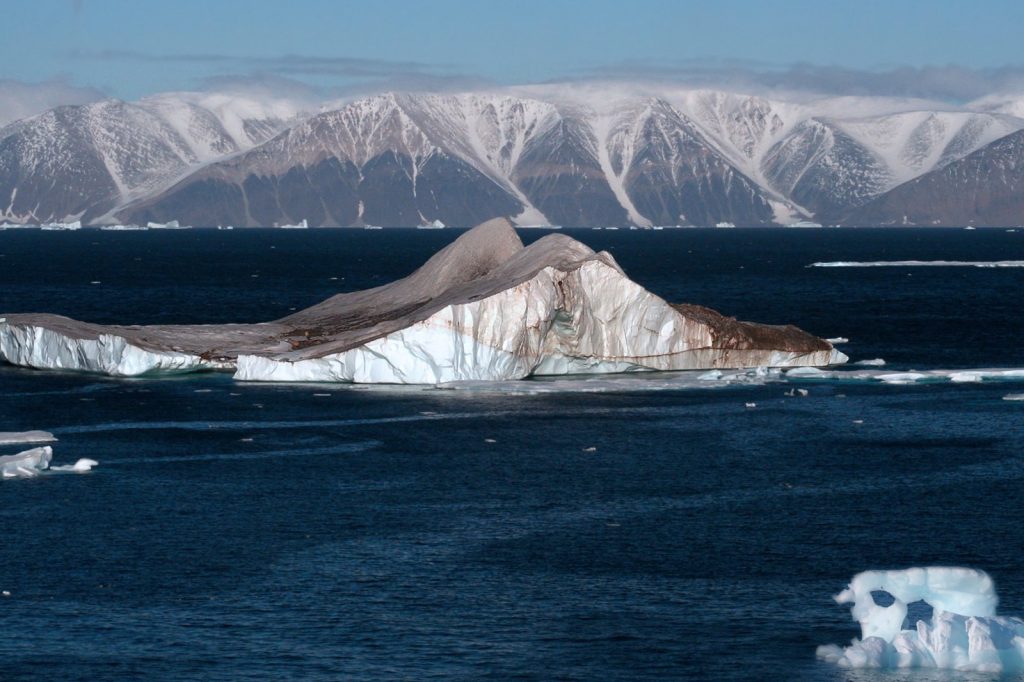
The wider picture is shaped by forces beyond any government’s control. The region’s melting ice, driven by climate change, is opening new shipping routes that have been icebound for millennia. The Northern Sea Route, running along Russia’s northern coast, saw a record 34 million tons of cargo in 2022.
As the ice recedes, the economic and military value of Arctic waters only increases. For now, the Arctic remains a region in transition — caught between a warming climate, a receding Russian military presence in key categories, and a NATO alliance that is both enlarged and emboldened.
What happens next will depend on the duration of the war in Ukraine and the capacity of Russian industry to rebuild what has been diverted south.




