
Cairo, August 21 — Iran’s president has declared it “time to end the war while the country is in a position of strength,” a statement that has been widely reported by outlets including the Middle East Eye, Courthouse News, and France 24. The remark marks a strategic shift for Tehran, which appears to be leveraging its current power to push for a negotiated end to hostilities. The president’s emphasis on strength suggests Iran believes it has secured enough leverage to demand terms favorable to its interests without appearing vulnerable.
The exact phrasing of the statement, though not fully quoted by all sources, consistently highlights the idea of concluding the conflict from a position of power. This framing is significant because it shifts the narrative from one of coercion to one of calculated negotiation.
For Iran, a war-resolution signal is not just about ending hostilities but also about consolidating control over domestic resources — including public land — that may have been sidelined during the conflict.
What This Means for Public Land Use
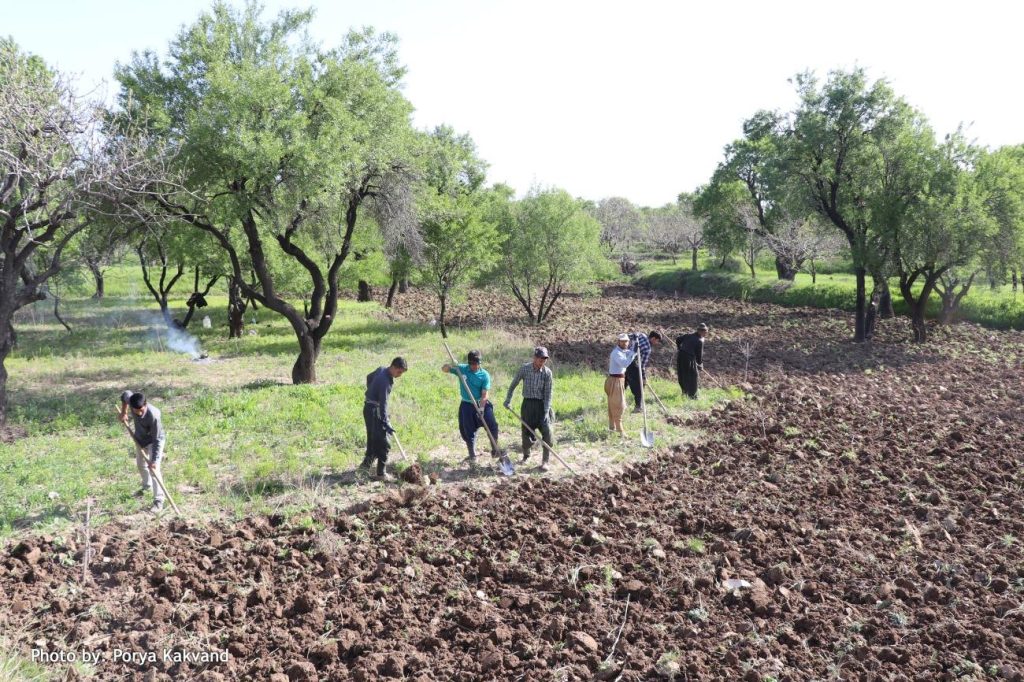
A move toward peace could drastically alter how Iran manages its public land. During wartime, vast tracts of land are often reserved for military installations, defense infrastructure, and border security. These areas are typically off-limits to civilian use, limiting agricultural, housing, or industrial development.
If the president’s call to end the war is followed by de-escalation, the government may reconsider these priorities. Public land could be released for reconstruction projects, such as housing developments, agricultural expansion, or infrastructure upgrades aimed at post-war recovery.
Land in Iran is a critical state asset, historically used as a tool for economic and political control. The government might accelerate plans to redistribute or redesignate public land to spur economic growth or reward loyal regions. This would require careful planning, as sudden changes could disrupt existing communities or create conflicts over land ownership.
However, such shifts are not guaranteed. The president’s statement remains a declaration of intent, not an official policy.
Any real changes would depend on the outcomes of negotiations, which are still uncertain. The strategic logic behind Iran’s emphasis on strength is clear: it signals that Tehran is not willing to compromise its core objectives. By framing the war-resolution call as a product of power, the government may aim to pressure adversaries into accepting its terms.
This approach could also bolster domestic support, framing the end of the war as a victory achieved through strength rather than concession. For ordinary Iranians, the implications could be mixed. While a peace deal might bring relief, the redistribution of public land could lead to debates over equity — especially if land is allocated to specific regions or groups.
It’s important to note that this analysis is speculative. The source material does not confirm any plans to redirect public land, nor does it provide details on how such a process would unfold.
The government has not released a formal strategy, and analysts would need to monitor official announcements or policy shifts to confirm these projections. The president’s statement, while significant, is just one piece of a larger puzzle. For now, the focus remains on whether Iran can translate this rhetoric into action.
The next steps will likely involve diplomatic efforts, with the U.S. administration and other regional actors playing key roles. Observers will be watching for concrete steps — such as ceasefire agreements or land-use policy drafts — that could validate or undermine the president’s war-resolution signal.
Until then, the potential for public land reforms remains a possibility, not a certainty.




