
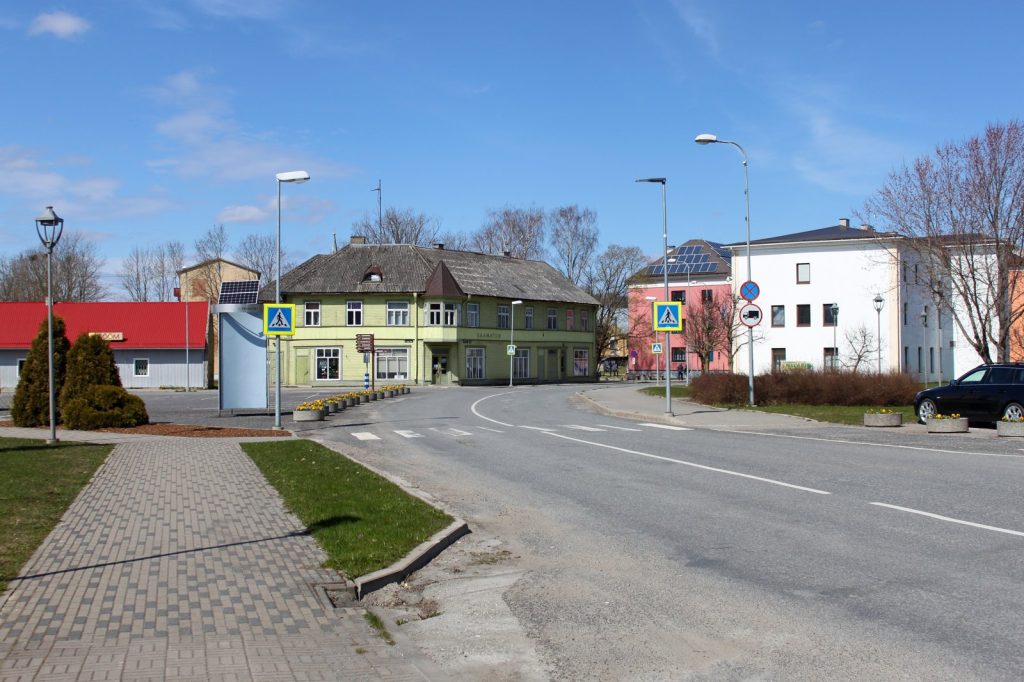
TAPA, July 6 — The American military presence in this small Estonian town has provided economic benefits to local communities, and its potential withdrawal could lead to job losses and reduced economic activity in the region. The base here supports approximately 1,000 U.S. troops and their families, generating revenue for local businesses, housing, and services. The U.S. presence has contributed to cultural exchange and local employment.
Estonian civilians have worked as translators, maintenance staff, and support personnel. For a nation of 1.3 million people, with an economy measured at $38 billion in 2022, the loss of that consistent demand is not a small matter.
The human impact includes the relocation of military families and the end of joint community programs. The town of Tapa, which hosts the main U.S. base, stands to feel the most immediate strain. Job losses in the region are a real concern, and reduced economic activity could ripple outward.
The Estonian government may seek compensation or alternative economic opportunities to mitigate the loss. That is a reasonable step, but replacing a steady military presence is rarely straightforward.
The withdrawal is not just about money; it is about the loss of a partnership that has, for years, woven American service members into the fabric of a small Baltic community. No one is suggesting panic. The base has been a source of stability, not a cure-all.
But talk to your local officials if you are a business owner in Tapa or a worker who depends on the base. Planning ahead is wise. What to watch next is how Estonia’s government approaches the gap.
Whether through new investment or compensation from Washington, the goal will be to keep Tapa’s economy from stalling. The hope is that the bonds built over years of shared presence do not simply vanish when the last transport plane departs.




