
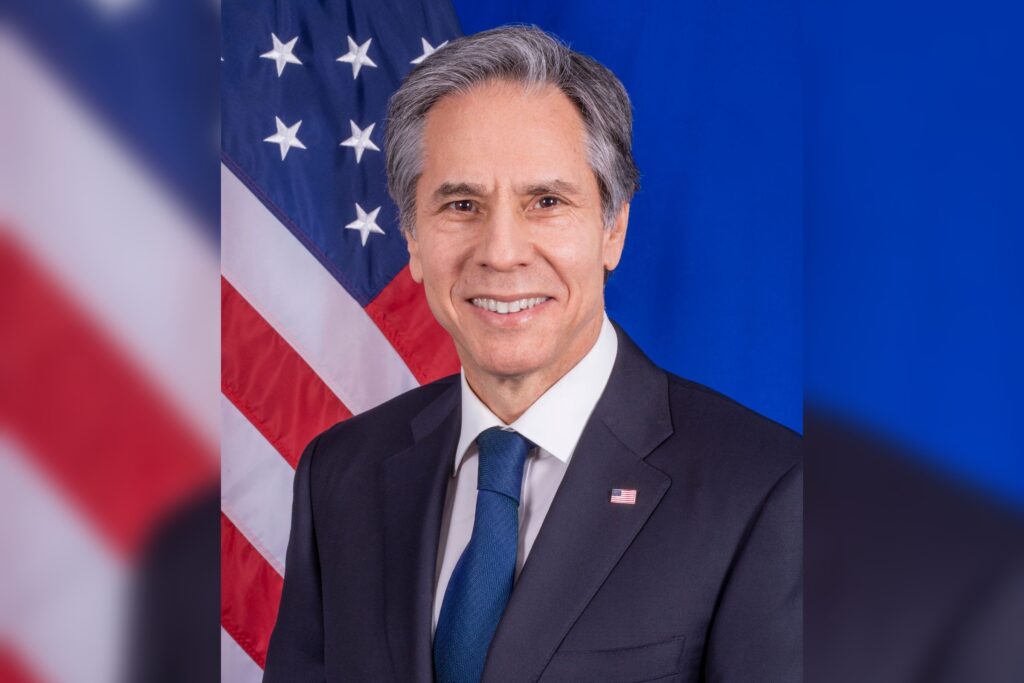
WASHINGTON — The State Department now holds unprecedented authority over United States policy toward Venezuela, a consolidation of power that reshapes the diplomatic and economic levers Washington can pull in the embattled nation. The White House announced on March 30, 2025, that Secretary of State Antony Blinken had been granted the ability to make key decisions on sanctions, diplomatic recognition, and aid distribution without prior approval from the National Security Council.
This delegation of authority, reported by The New York Times on March 31, 2025, effectively bypasses the traditional interagency process that has long governed U.S. foreign policy toward Caracas. Strategically, the calculus is straightforward: streamline decision-making in a crisis that has defied resolution for years.
Administration officials argue the move will allow faster, more coherent responses to shifting conditions on the ground in Venezuela, where President Nicolás Maduro has held power since 2013. The opposition, led by Juan Guaidó since 2019, has struggled to gain traction, leaving U.S. policy in a prolonged stalemate.
New Powers, New Risks
The scope of what this signals is significant. Blinken now holds authority to negotiate directly with Maduro’s government and to set conditions for lifting sanctions. The United States has maintained sanctions on Venezuela since 2017, targeting oil exports and government officials — a central pillar of pressure that has yielded limited results.
Critics, including some Democratic lawmakers, have expressed concerns about the concentration of power within a single office. The broader stakes involve not just Venezuela but the entire region.
Colombia and Brazil have taken varying stances on the Maduro government, and Washington’s consolidated approach could alter diplomatic dynamics across Latin America. The policy shift is effective immediately. It comes amid ongoing political turmoil in Venezuela, where the opposition’s political window appears to be narrowing.
What This Means for Regional Dynamics
For U.S. allies in Latin America, the move signals a more centralized approach. Colombia and Brazil have taken varying stances on the Maduro government, and Washington’s new authority could force these nations to recalibrate their own strategies. The Secretary of State, who has served since January 26, 2021, now operates with a mandate that effectively sidelines the National Security Council’s traditional coordinating role.
Whether this streamlines or isolates U.S. policy remains an open question. What to watch next: how Blinken exercises this authority in practice — whether toward renewed negotiations, tightened sanctions, or a shift in diplomatic recognition.
The chessboard has been rearranged. The next moves will define U.S. strategy in Venezuela for the foreseeable future.




