
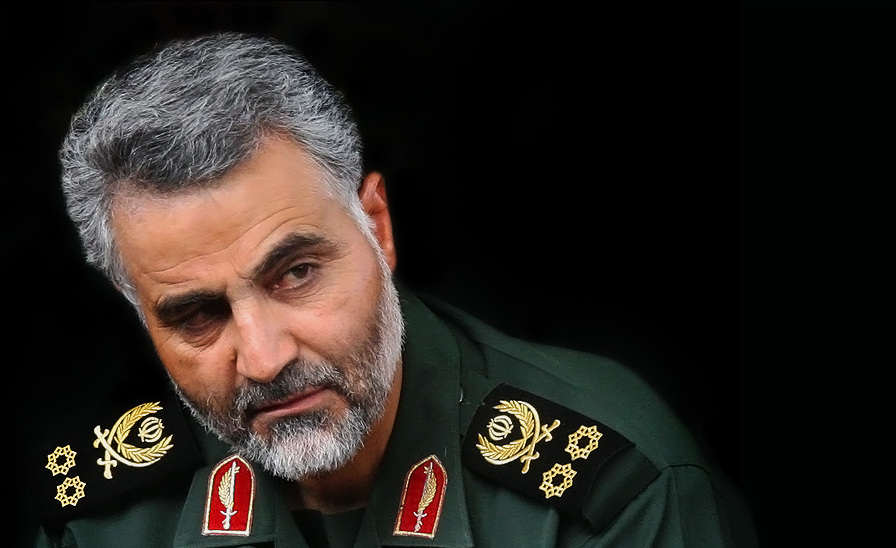
The targeted killing of Iranian Major General Qasem Soleimani on January 2 in a U.S. drone strike has triggered cascading military, economic, and diplomatic consequences that continue to reshape the Middle East and global markets. Iran’s Supreme Leader, Ayatollah Ali Khamenei, has publicly pledged “severe revenge” for the death of the commander of the Quds Force.
The U.S. Department of Homeland Security has issued warnings about potential cyberattacks from Iran, while the U.S. Embassy in Baghdad has urged all American citizens to leave Iraq. The Dow Jones Industrial Average dropped 500 points on January 3, reflecting immediate market unease.
Military and Diplomatic Escalation
Analysts have outlined several possible retaliatory moves by Tehran. The most likely scenario, they say, is a proxy attack on U.S. targets in Iraq, Syria, or Afghanistan.
Another major concern is the disruption of oil shipments through the Strait of Hormuz, a narrow waterway through which approximately 20% of the world’s seaborne oil passes. The United States has responded by deploying an additional 3,000 troops to the Middle East. The United Nations Security Council has scheduled an emergency meeting for January 6 to address the crisis.
The nuclear deal known as the Joint Comprehensive Plan of Action, signed in 2015, has further unraveled. Iran has announced it will no longer abide by the agreement, which had limited its uranium enrichment in exchange for sanctions relief.
The United States had already withdrawn unilaterally from that accord in 2018, reimposing crippling sanctions that pushed Iran’s economy into crisis. The removal of constraints on Iran’s enrichment program raises the risk of a nuclear-armed Iran or a preemptive military strike to prevent one.
Economic and Energy Disruptions
The economic consequences are already visible. The price of oil is expected to remain elevated above $60 per barrel.
The U.S. stock market faces continued volatility, with analysts warning that the Dow could fall further if the conflict escalates. The Strait of Hormuz remains a consequential economic lever Iran can pull, and any disruption there would send oil prices sharply higher. With 3,000 additional U.S. troops arriving in the region and Iran freed from its nuclear commitments, the situation remains fluid and dangerous.
The emergency UN Security Council meeting on January 6 could produce diplomatic language, but analysts emphasize that the real action will be in the military and economic domains. For readers, the confrontation is not a distant conflict; its consequences reach directly to energy markets, national security, and the stability of the broader Middle East.
The killing of a senior Iranian commander crossed a threshold that had held since the 1979 hostage crisis: Washington’s first direct, targeted assassination of a high-ranking Iranian official. The response from Tehran could range from cyberattacks on American infrastructure to proxy strikes on U.S. forces in the region.
Historical Roots and Regional Context
Iran, officially the Islamic Republic of Iran and once known to the West as Persia, occupies a strategic stretch of West Asia. It shares long borders with Iraq, Turkey, and Afghanistan, and its southern coast runs along the Strait of Hormuz. The country is home to one of the planet’s oldest continuous civilizations. Its modern identity was shaped in the 16th century when the Safavid dynasty made Twelver Shia Islam the state religion, a distinction that still sets it apart from most of its Sunni-majority neighbors.
Relations between Iran and the United States began in the 19th century and were generally friendly until the middle of the 20th. That changed abruptly after the 1953 coup that overthrew Iran’s democratically elected prime minister, Mohammad Mosaddegh, a CIA-and-MI6 operation that restored the shah’s absolute power.
Twenty-six years later, the Iranian Revolution ousted the monarchy and established an Islamic Republic under Ayatollah Ruhollah Khomeini. Hard-line revolutionaries seized the U.S. Embassy in Tehran, holding American diplomats hostage for more than a year. The two countries have not had formal diplomatic relations since.
Decades of mistrust hardened into a cycle of proxy conflicts, sanctions, and covert action. Iran built influence in Iraq, Syria, Lebanon, and Yemen through allied militias and the Quds Force, the foreign-operations arm of its Islamic Revolutionary Guard Corps.
The United States responded with economic pressure and, after the 2003 invasion of Iraq, a military presence on Iran’s western flank. A landmark 2015 nuclear deal briefly eased tensions, but the U.S. withdrawal in 2018 and the subsequent reimposition of sanctions pushed Iran’s economy into crisis, setting the stage for the current escalation.




