
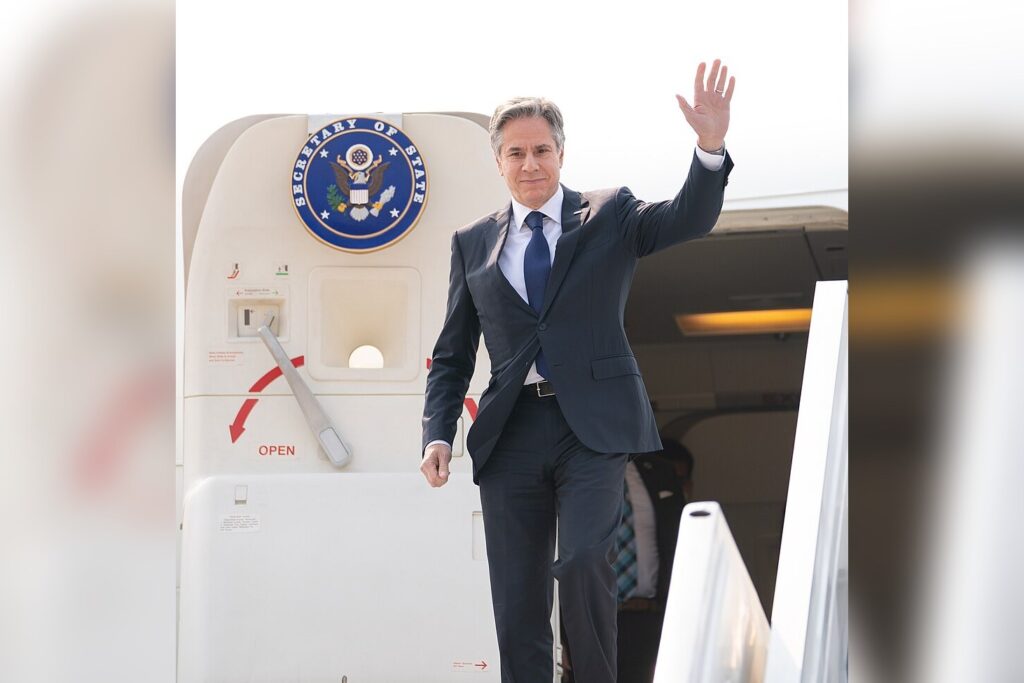
WASHINGTON — The National Security Council’s role as the coordinating hub for Venezuela policy was changed before March 30, 2025, when the White House delegated decision-making authority to the Secretary of State. The shift ends the formal interagency process that had governed US strategy toward Caracas. The NSC, established in 1947 under the National Security Act, had traditionally convened representatives from the State Department, the Department of Defense, the Treasury, and intelligence agencies.
For Venezuela, the NSC’s Western Hemisphere directorate led policy development, requiring consensus among these bodies before any major decision could advance.
The Machinery of Consensus
That consensus-based system had its own logic. Sanctions decisions required Treasury Department approval, while diplomatic recognition flowed through State Department recommendations. The NSC served as the referee, ensuring that no single agency’s priorities dominated.
But the new authority granted to the Secretary of State eliminates that check entirely. The State Department now holds authority over key decisions on Venezuela, including sanctions modifications and negotiations.
This consolidates power within an agency that commands a global staff of approximately 75,000 employees. For comparison, the change has been compared to similar delegations of authority for Afghanistan in 2021 and Iran in 2015, though those were more limited in scope. What this signals is a shift in how the White House approaches foreign-policy management.
The NSC’s Western Hemisphere directorate, once the nerve center for Venezuela strategy, now plays a diminished role. The broader stakes involve not just the speed of decision-making but the coherence of US policy toward a regime that Washington has long sought to isolate.
A Precedent with Limits
The Afghanistan and Iran precedents offer a mixed record. In both cases, delegating authority to the State Department allowed for faster tactical adjustments, but critics argued it reduced the cross-agency scrutiny that catches strategic blind spots. For Venezuela, the stakes are particularly high given the complex web of sanctions, oil-market dynamics, and regional diplomatic pressures.
The shift also raises questions about accountability. With Treasury no longer required to sign off on sanctions modifications, the financial implications of any change fall more squarely on State Department decision-makers.
The NSC’s interagency process had served as a forcing mechanism for inter-departmental debate; its removal changes the internal politics of US policy formulation. Looking ahead, the test will be whether this streamlined structure produces more effective policy or simply faster decisions. The administration has placed its bet on speed and centralization.
Whether that bet pays off in Caracas will determine whether this model becomes a template for other conflict zones — or a cautionary tale.




