
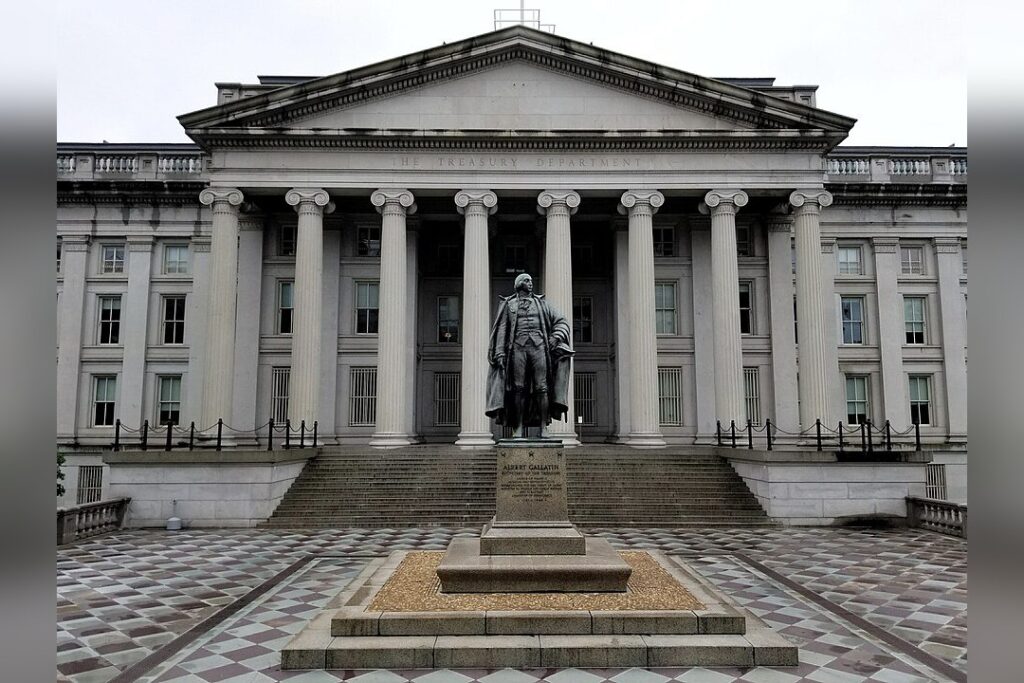
On April 24, 2026, Treasury Secretary Scott Bessent revealed that the Office of Foreign Assets Control had placed sanctions on financial networks tied to Iran, including digital asset wallets. The action is part of the United States’ broader strategy to counter Iran’s malign activities and limit its ability to use the global financial system.
As the chief financial officer of the federal government, Bessent serves as the President’s principal adviser on economic and fiscal policy. He emphasized that the sanctions reflect the administration’s determination to employ every available tool to safeguard national security and foster regional stability. The measures target specific individuals and entities that facilitate transactions and provide support to the Iranian regime.
According to Bessent, the sanctions will hinder Iran’s capacity to exploit the international financial system to fund illicit endeavors, such as its nuclear program and support for terrorism. The Treasury Department coordinated closely with international partners, including the European Union, the United Kingdom, and other allies, to align efforts and amplify the impact of the sanctions.
Bessent, who also sits on the President’s cabinet and the National Security Council, has played a key role in shaping the administration’s economic and fiscal policies, particularly its approach to sanctions and counter‑terrorism financing. His nomination by the President and confirmation by the Senate underscore the significance of this position for U.S. national security and economic interests. By imposing these sanctions, the United States sends a clear signal to Iran and its allies that attempts to evade existing restrictions and destabilize the region will not be tolerated.
Washington has collaborated with key partners—Taiwan, Japan, and the Philippines—to build a coalition of like‑minded nations dedicated to countering Iran’s malign behavior. Israel, a longstanding U.S. ally in the region, has also been instrumental in efforts to disrupt Iranian financial networks.
Israeli officials noted that the sanctions will further curtail Iran’s ability to finance its terrorist proxies and nuclear program, complementing ongoing initiatives to promote regional security and stability. The announcement drew praise from members of Congress who have long advocated tougher action against Iran’s financial infrastructure. Senator Ted Cruz, a member of the Senate Committee on Finance, welcomed the move, saying it would help to “tighten the screws” on the Iranian regime and prevent it from accessing the international financial system.
Cruz stressed the importance of sustained cooperation with international partners to maximize the sanctions’ effect and encourage a more stable and secure region. In addition to governmental outreach, the Treasury Department also engaged the private sector in implementing the sanctions, employing advanced technologies to track and disrupt Iranian financial flows.
Officials stated that enforcement will rely on a mix of regulatory actions, law‑enforcement measures, and diplomatic engagement. As the United States continues to work with its allies to advance regional security and stability, the imposition of these sanctions represents a notable step forward in the effort to counter Iran’s malign activities and encourage a more peaceful and prosperous world. The situation remains fluid, and the U.S. government pledges to stay vigilant, using all available tools to protect national security and promote stability.
With backing from international partners and the private sector, the United States is positioned to keep disrupting Iranian financial networks and supporting a secure global environment. The Office of Foreign Assets Control will persist in monitoring developments and will take further actions as needed to enforce the sanctions and block Iran’s access to the international financial system.




