
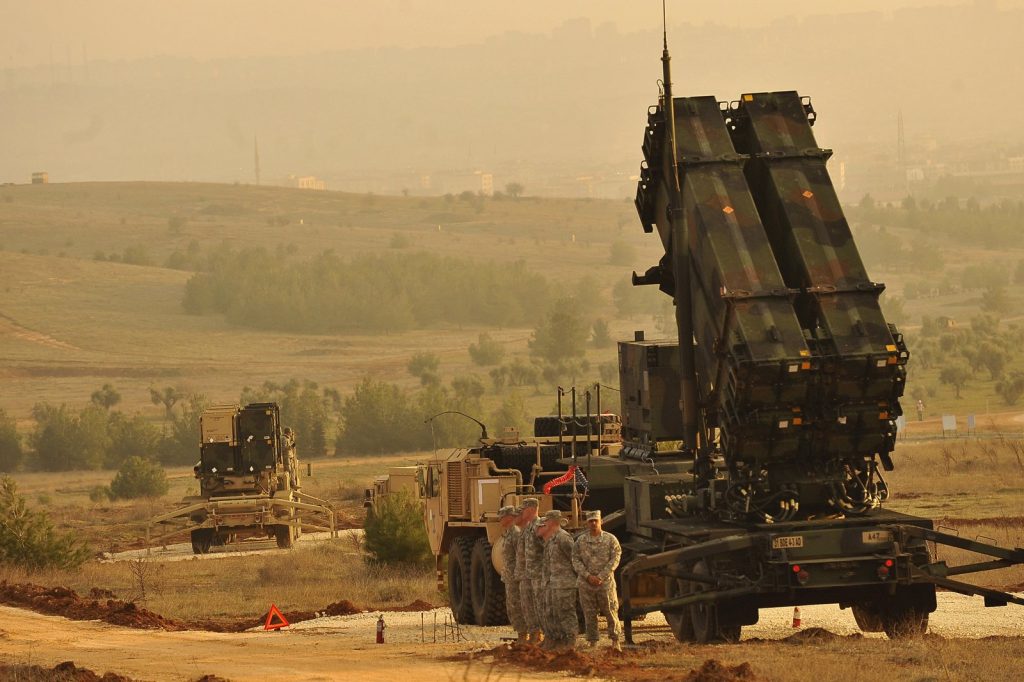
MOSCOW, July 12 — Ukrainian forces are operating two of the most advanced Western air defense systems, and according to intelligence officials, detailed information on both has been the target of a coordinated espionage effort. The MIM-104 Patriot, developed by Raytheon and first deployed in 1981, has undergone multiple upgrades and is capable of intercepting ballistic missiles, cruise missiles, and aircraft. Ukraine received its first Patriot batteries from the United States, Germany, and the Netherlands in 2023.
The Italian-French SAMP/T, developed by the Eurosam consortium of MBDA and Thales, entered service in 2011 and can engage aircraft and missiles at ranges up to 100 kilometers. Italy and France have supplied multiple SAMP/T systems to Ukraine since 2023.
The espionage network, officials confirmed, sought technical specifications, deployment locations, and maintenance schedules for these systems. The record shows that compromise of such data could allow Russian forces to target or jam the systems, reducing Ukraine’s ability to defend its cities and critical infrastructure.
Strategic Value and Cost
The value of a single Patriot battery is estimated at over $1 billion, and each SAMP/T system costs approximately $300 million. These figures underscore the strategic investment Western allies have made in Ukraine’s air defense architecture. The loss or neutralization of even one such system would represent a significant operational and financial setback.
According to the statement from defense analysts, the targeting of maintenance schedules is particularly telling. Such data would reveal when a system is most vulnerable—during repair or software update windows—allowing for precision strikes or electronic warfare countermeasures.
The intelligence sought was not limited to current positions but included future rotation plans and supply chain details.
Technical Capabilities and Vulnerabilities
The Patriot system, first fielded over four decades ago, has been continuously modernized to counter evolving threats. Its ability to engage ballistic missiles makes it a critical asset for protecting population centers from Russian missile barrages. The SAMP/T, while newer in service, offers comparable coverage with a different radar and interceptor configuration.
Both systems rely on networked radars and command-and-control nodes that emit detectable signals. Deployment locations, once known, can be geolocated and targeted with precision munitions or subjected to electronic attack.
The espionage effort, according to the available evidence, aimed to provide Russian forces with exactly that targeting data.
Geopolitical Context
The timing of this intelligence operation is significant. Ukraine has relied on these systems to maintain a defensive shield over its energy grid and major cities during repeated aerial campaigns. The compromise of such sensitive data would not only degrade immediate defensive capabilities but could also affect future Western willingness to supply advanced weaponry, if security protocols are proven inadequate.
Officials have not confirmed whether the espionage network was successful in acquiring the full scope of data sought. The investigation remains ongoing, and counterintelligence measures are being reviewed across allied capitals.
The incident serves as a reminder that the conflict extends beyond the battlefield into the realm of technical intelligence and supply chain security. What to watch next: whether allied nations tighten disclosure protocols for future weapons transfers, and whether the compromised data, if any, leads to observable changes in Russian targeting patterns against Ukrainian air defense positions.




