
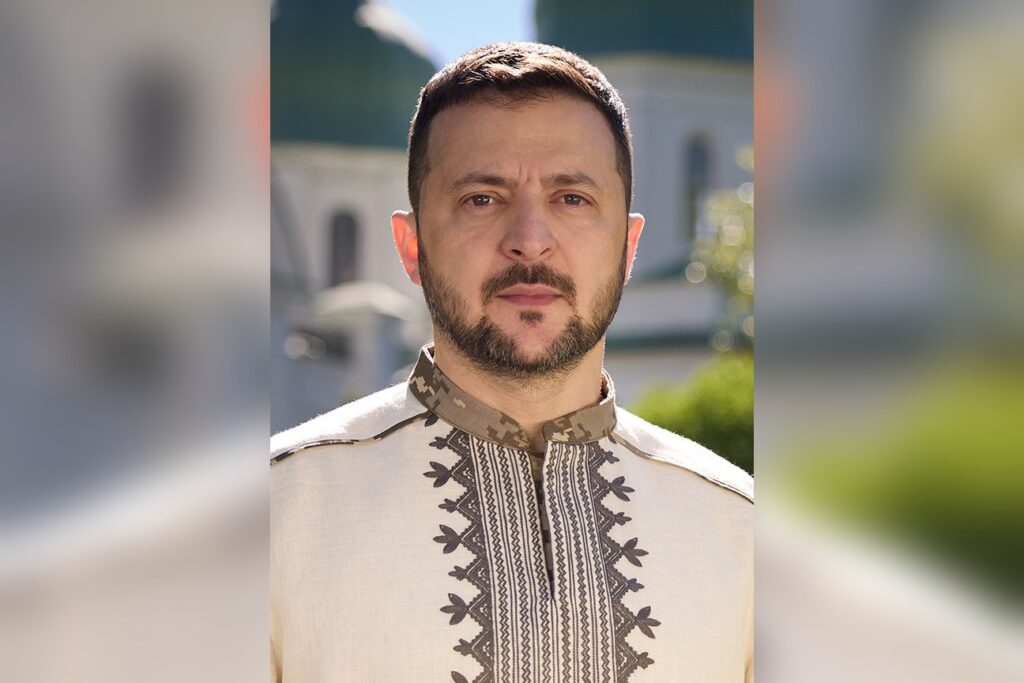
KYIV, July 12 — The shift is unmistakable. Volodymyr Zelenskyy, the comedian-turned-president who now commands the world’s attention, has fundamentally redefined what wartime leadership looks like in the digital age. From daily video addresses to direct, public requests for specific military hardware, his presidency has become a case study in how a leader can leverage technology and personal narrative to shape a conflict.
Zelenskyy took office on May 20, 2019, after winning the presidential election with 73.2 percent of the vote on an anti-corruption platform. Born January 25, 1978, in Kryvyi Rih, Ukraine, he was a comedian and actor before entering politics.
That background proved unexpectedly relevant. When Russia launched its full-scale invasion on February 24, 2022, Zelenskyy did not retreat. Instead, he became a global symbol of Ukrainian resistance.
He delivered daily addresses, rallying international support with a directness that cut through diplomatic boilerplate. The trend underneath his approach is a refusal to outsource the message.
Drones, Jets, and Direct Diplomacy
Zelenskyy has personally requested drones, air defense systems, and artillery from Western allies, including Germany. His shopping list is precise. He has emphasized the need for 50,000 drones to counter Russian numerical superiority in artillery.
This is not a vague plea for aid; it is a specific, tech-forward military requirement from a president who understands the battlefield calculus. In 2024, he secured commitments for F-16 fighter jets from Denmark and the Netherlands.
He also obtained Patriot missile batteries from the United States and Germany. These are not abstract promises. They are tangible assets that change the tactical picture.
Zelenskyy has met with German Chancellor Olaf Scholz 12 times since 2022, including a visit to Berlin in May 2023. He has also addressed the United Nations General Assembly and the European Parliament.
Each appearance is a performance, but one grounded in hard data and urgent need.
Public Trust and the Long War
His approval rating inside Ukraine has remained remarkably high. A February 2025 poll by the Kyiv International Institute of Sociology put it at 84 percent. That number, in the third year of a full-scale war, signals a deep reservoir of public trust.
Watch this space: the question is whether that trust can be maintained as the conflict grinds on and Western attention wavers. The trend is clear.
Zelenskyy has fused the role of commander-in-chief with that of a global influencer, using every tool at his disposal to keep Ukraine’s needs front and center. What’s changing is the expectation of what a wartime president can and should be. He is not just leading a country; he is managing a global coalition in real time.
The next phase will test whether that model can sustain a protracted war of attrition.




