
KYIV, July 9 — The shift is unmistakable. A missile system that was once a relatively obscure piece of Ukrainian defense hardware has become a defining weapon of the war at sea, and its success is now reshaping the country’s entire approach to domestic arms production. The R-360 Neptune is an anti-ship cruise missile developed by the Luch Design Bureau.
It entered service in 2021, built on the foundation of the Soviet Kh-35 missile. The Neptune carries a 150-kilogram warhead and has a range of up to 280 kilometers, or 174 miles.
It is launched from ground-based mobile launchers. For terminal guidance, the missile relies on active radar homing. The weapon’s entry into the global spotlight came on a single day: April 14, 2022.
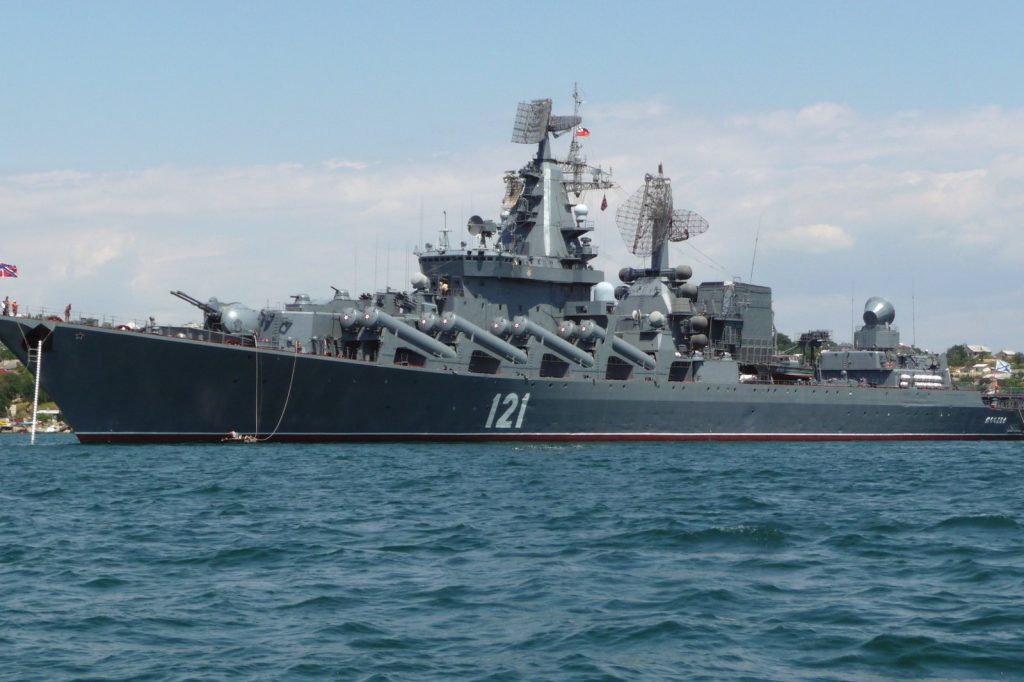
On that date, Ukrainian forces used two Neptune missiles to strike and sink the Moskva, the flagship of the Russian Black Sea Fleet. That single engagement transformed the Neptune from a promising new system into a proven and devastatingly effective piece of military technology.
A single strike, a strategic shift
The sinking of the Moskva was not just a tactical victory. It sent a clear signal to military planners in Kyiv and beyond. A ground-launched cruise missile, designed and built in Ukraine, had destroyed a warship that was the centerpiece of an entire fleet.
The trend underneath that event was immediate: Ukraine’s investment in indigenous missile technology was no longer an aspiration. It was a proven strategy.
Since that strike, Ukraine has moved to increase production of the Neptune. The missile remains a key weapon in the country’s efforts to target Russian naval vessels operating in the Black Sea. The Black Sea has been a critical theater of the war, and the Neptune has given Ukraine a way to contest Russian naval dominance without needing a large surface fleet of its own.
That is the fundamental change the missile has brought. The success of the Neptune has had consequences that go beyond the immediate battlefield.
It has spurred further Ukrainian investment in domestic missile production. The logic is straightforward: if a Ukrainian design bureau can build a missile that sinks a flagship, then doubling down on that capability makes strategic sense.
What the Neptune is, and what it isn’t
It is important to understand the missile’s lineage to appreciate its achievement. The Neptune is based on the Soviet Kh-35, a subsonic anti-ship missile. The Luch Design Bureau took that basic design and adapted it for Ukrainian needs, creating a ground-launched variant that could be deployed from mobile launchers.
The missile’s 150-kilogram warhead is substantial enough to cause catastrophic damage to a warship. The 280-kilometer range means it can be launched from positions well inland.
The active radar homing system allows the missile to find its target even if the target attempts to maneuver or use electronic countermeasures in the final moments of the engagement. What’s changing now is the scale of production and the strategic thinking around the weapon. The Neptune is no longer a prototype or a limited-production system.
It is a proven, battle-tested weapon that is being manufactured in increasing numbers.
The future of Ukrainian missile production
The investment that has followed the Neptune’s success is a clear signal of intent. Ukraine is not content to simply rely on foreign-supplied weapons. The country is building its own industrial base for precision munitions.
The Neptune program is the most visible example of that effort, but it is unlikely to be the last. For the immediate future, the Neptune will continue to be a key tool for targeting Russian naval vessels in the Black Sea.
The Russian navy has been forced to adapt to the threat, pulling ships back from certain areas and increasing its own defensive measures. That alone is a significant strategic win for Ukraine: a missile system that changes an adversary’s behavior without even being fired. The trend underneath all of this is clear.
A missile that entered service in 2021, based on a Soviet design, has rewritten the rules of naval warfare in the Black Sea. It has sunk a flagship, driven investment, and proven that a determined country with a competent design bureau can build weapons that change the course of a war.
The next chapter of this story is already being written in Ukrainian factories, where the next generation of missiles is taking shape.




