
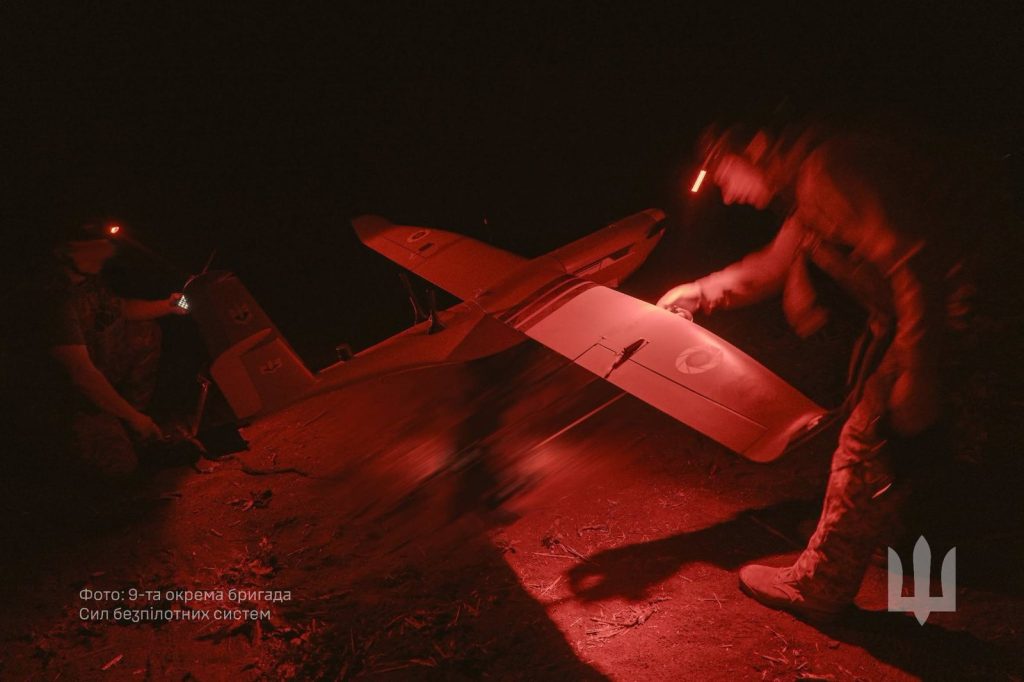
KYIV, July 9 — Against this backdrop of grinding attrition along a sprawling front line, the battle for the skies above Ukraine has evolved into a sophisticated technological chess match, one where the humble drone has become both a decisive weapon and a vulnerable asset. Ukraine’s extensive use of unmanned aerial vehicles is not a recent development born of the full-scale invasion. The country has operated drones since the 2014 conflict with Russia, initially deploying Turkish-made Bayraktar TB2 platforms.
By 2022, Ukraine had assembled a fleet of over 1,000 drones, a mix that included the Bayraktar TB2, the American Switchblade, and domestically produced models such as the PD-1 and Leleka-100. These aircraft have been employed for reconnaissance, artillery spotting, and direct attacks on Russian armor and logistics, fundamentally altering the tempo of operations.
In the corridors of power in Kyiv, the response to the need for mass has been striking. By 2023, Ukraine launched a mass-produced ‘kamikaze’ drone program. According to Ukrainian Defense Minister Rustem Umerov, the country was producing an estimated 100,000 units per year by early 2024.
This industrial surge aimed to overwhelm Russian defenses with sheer volume. But Moscow has been refining its own countermeasures.
The Russian electronic warfare response has evolved in parallel. The ‘Krasukha-4’ system, operational since 2014, is capable of jamming drone control signals at ranges up to 300 kilometers. More recently, the ‘Tobol’ system, first reported in 2023, specifically targets satellite communications, threatening the very link that guides many drones to their targets.
What is at stake is the continued effectiveness of Ukraine’s drone armada. The impact of these electronic warfare systems has been measurable. Ukrainian military sources report that drone losses due to jamming increased by 40% in the first quarter of 2024 compared to the final quarter of 2023.
This sharp rise in attrition has forced Ukrainian engineers and operators to innovate. The wider picture now includes a technological arms race within the conflict.
Ukrainian countermeasures have included the development of fiber-optic tethered drones, which are immune to radio-frequency jamming, and autonomous navigation systems that do not rely on the Global Positioning System. These adaptations seek to negate the advantages of Russia’s electronic warfare umbrella. Looking ahead, the contest between drone production and electronic countermeasures will likely define the next phase of this aerial battle.
The ability to mass-produce cheap, expendable platforms must now be matched by the capacity to keep them flying through a dense electronic fog.




