
The Black Sea: A Strategic Theater
The Black Sea is a marginal sea lying between Europe and Asia, bordered by Bulgaria, Georgia, Romania, Russia, Turkey, and Ukraine. Major rivers including the Danube, Dnieper, and Dniester supply the basin. The sea connects to the Sea of Azov through the Kerch Strait and to the Aegean Sea and the Mediterranean via the Bosporus and Dardanelles straits to the south. This geography positions the Black Sea as a gateway for maritime traffic between the Atlantic Ocean and Eastern Europe. Control of these waters holds significance for regional security and global trade, supporting major port cities and serving as a route for commercial shipping. Because multiple nations share its coastline, naval activity in the area directly affects the stability of international shipping lanes and the export of goods.
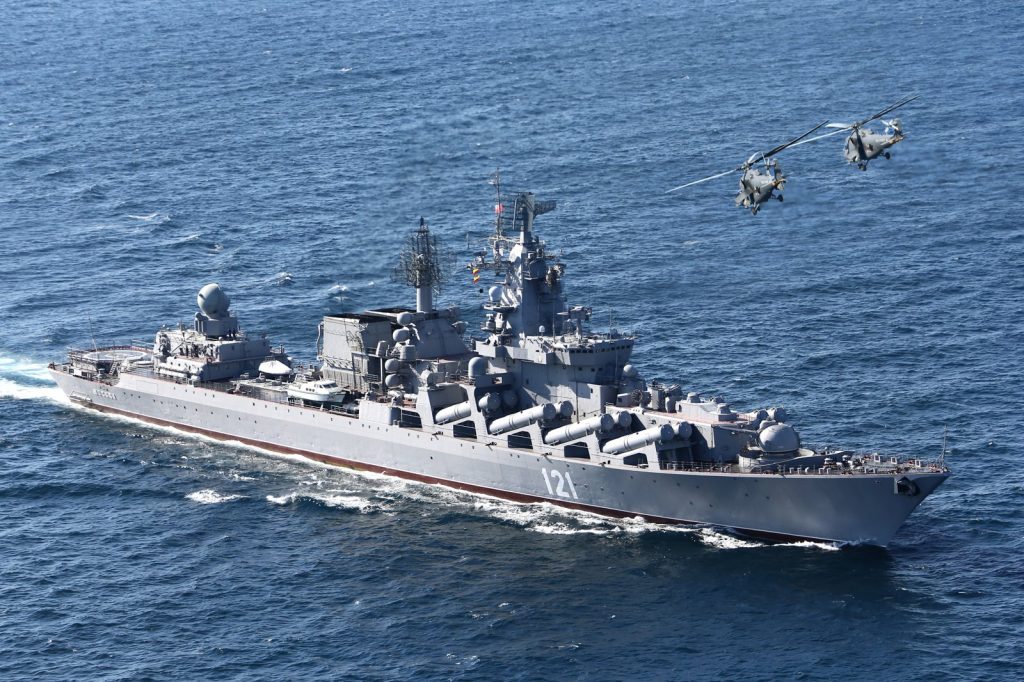
Russia’s Black Sea Fleet, based at Sevastopol in Crimea — territory Russia annexed in 2014 — has been the primary target of Ukraine’s campaign. Since the invasion began, Ukrainian forces have repeatedly struck the fleet, including the sinking of the missile cruiser Moskva in April 2022 and an attack on the landing ship Saratov in March 2022. The current tally of 20 vessels extends that history with a wider set of targets, including patrol boats, landing ships, and support vessels. The deliberate nature of the campaign suggests that degrading Russian naval power in the Black Sea is a core strategic objective for Kyiv, aiming to disrupt blockade efforts and logistics supporting occupied territories.
Ukraine’s Sustained Naval Campaign
Russian Foreign Minister Sergey Lavrov has condemned the strikes, accusing Ukraine of piracy. The accusation frames a strategic problem for Moscow: Ukraine’s campaign seeks to interfere with Russian naval operations, including the blocking of shipping and the support of supply lines to occupied areas along the southern front. The 20-vessel figure indicates a sustained, methodical effort rather than opportunistic one-off attacks. By targeting support vessels and patrol boats, Ukraine may be aiming for a cumulative effect on Russian logistics in Crimea and along the southern front. If sustained, the campaign could become a strategic liability for Moscow, potentially limiting the Black Sea Fleet’s ability to project power and protect supply routes.
The question now is whether Ukraine can maintain this tempo of naval strikes and whether Russia will respond by reinforcing its Black Sea Fleet or by escalating attacks on Ukraine’s port infrastructure. The deliberate pace of the campaign suggests that Ukrainian forces have developed the capability and the intelligence to strike repeatedly, using unmanned surface vessels and missiles to hit multiple categories of ships. The impact on Russian naval operations could have broader implications for the conflict’s ground war, particularly in southern Ukraine where logistics from Crimea are critical.
Impact on Global Trade and Shipping
The conflict has also affected commercial shipping in the Black Sea. In July 2022, the United Nations and Turkey brokered the Black Sea Grain Initiative, a deal that allowed Ukrainian grain exports to resume. The agreement was extended several times, but Russia withdrew from the deal in July 2023. Since then, Ukraine has established its own maritime corridor to export grain, a route that faces risks from mines and naval engagements. The sustained Ukrainian strikes on Russian vessels add another layer of complexity to the security situation in the sea, raising questions about the safety of shipping lanes and the cost of insuring vessels.
The cumulative effect of Ukraine’s campaign could extend beyond military logistics to affect global grain markets, as Ukraine remains a major exporter of wheat and corn. The ability to maintain its own maritime corridor while striking Russian naval assets provides Kyiv with a dual approach: defending its own trade while degrading Russia’s ability to interfere. However, the risk of escalation remains. If Russia responds by reinforcing its fleet or by intensifying attacks on Ukraine’s port infrastructure, the fragile balance in the Black Sea could shift again, with consequences for both the war effort and international commerce. The coming months will test whether Ukraine can sustain this tempo and whether the strategic pressure on Russian logistics in Crimea and the southern front becomes decisive.




