
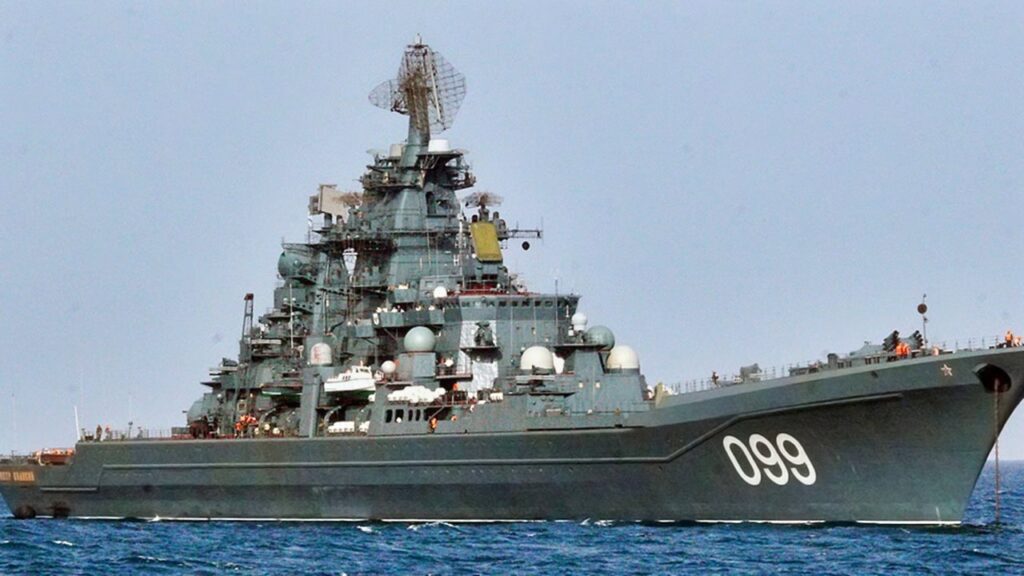
MOSCOW, July 15 — The shift in the Black Sea is no longer a slow drift. It is a rapid, violent reconfiguration of naval power that began the day Russian troops crossed into Ukraine. The Russian Black Sea Fleet, once the unchallenged master of its namesake waters, is now a force fighting for survival, its assets scattered and its flagship resting on the seabed.
The numbers tell a story the Kremlin would rather not tell. Over 25,000 personnel and dozens of vessels—submarines, frigates, landing ships, and patrol boats—made up this formidable force.
Its backbone included the Admiral Grigorovich-class frigates, the Kilo-class submarines, and the Ropucha-class landing ships. They were the tools of a blockade, the instruments of naval gunfire support, and the protectors of Russian interests in a sea Russia considered its own.
The Toll of War
Then came February 24, 2022. The full-scale invasion changed everything, and the fleet paid the highest price. The missile cruiser Moskva, the fleet’s flagship and a symbol of Russian naval pride, was sunk on April 14, 2022, after a Ukrainian missile strike.
That single loss was a strategic and psychological blow from which the fleet has not recovered. But the Moskva was only the beginning.
The landing ship Saratov was lost in March 2022. The patrol boat Vasily Bykov followed in the same month. In August 2023, the landing ship Olenegorsky Gornyak was added to the list of confirmed losses.
Ukraine claims to have damaged or destroyed over 20 vessels as of early April 2025. Russia has confirmed fewer losses, but the pattern is unmistakable.
The fleet’s primary roles have become impossible to sustain. Enforcing a naval blockade of Ukrainian ports, once a straightforward task, now requires constant risk assessment. Providing naval gunfire support for ground operations has become a high-stakes gamble.
The waters are no longer safe.
Relocation and Retreat
The trend underneath this story is a tactical retreat. The fleet has been forced to relocate some of its most valuable assets to Novorossiysk, a port on the Russian mainland far from the front lines. This is not a repositioning for strategic advantage.
It is a survival move, a recognition that the fleet’s home port of Sevastopol in Crimea is no longer secure. What is changing is the balance of power in the Black Sea.
A navy that once projected strength now projects vulnerability. The loss of the Moskva was not an isolated incident; it was the first domino in a chain that has seen a major naval force reduced to a defensive posture. Watch this space for further shifts in how Russia deploys its remaining surface combatants and submarines.
The fleet’s remaining assets—the frigates, the submarines, the surviving landing ships—are now tasked with protecting themselves as much as projecting power. The blockade of Ukrainian ports, while still in effect, is a shadow of what it once was.
The naval gunfire that once supported ground operations is now a rare and risky endeavor. The question now is what comes next. The Black Sea Fleet has been bloodied, but it has not been destroyed.
Its submarines remain a potent threat, and its surface vessels, though diminished, can still strike. But the era of Russian dominance in the Black Sea is over. The shift is real, and the consequences will ripple through the region for years to come.




