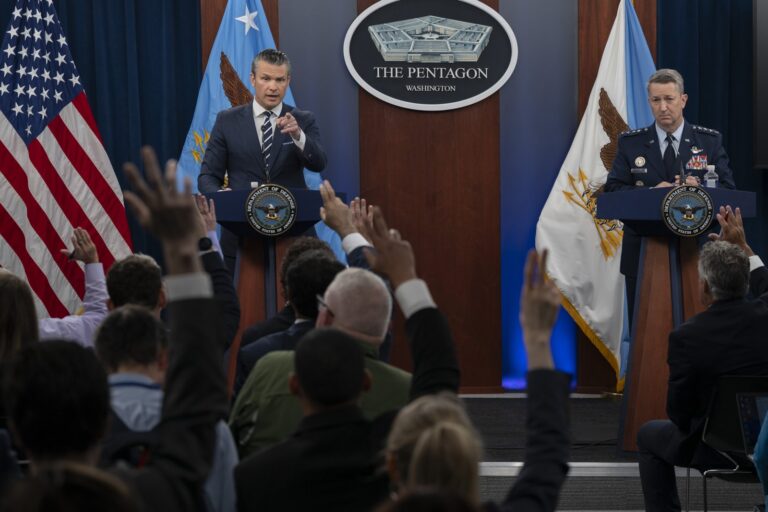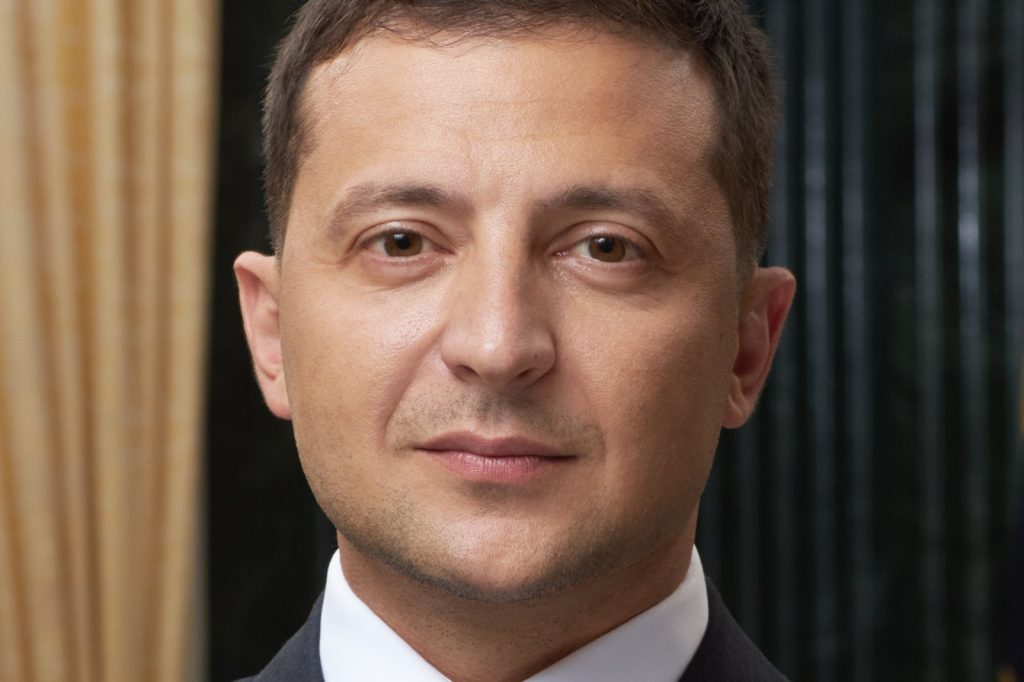
Eight hours around a table in Jeddah, and at the end of it one sentence that Marco Rubio repeated to reporters: the ball is now in Russia’s court. On Tuesday, March 11, 2025, Ukraine backed an American plan for a 30-day ceasefire, with the Saudi port city as the stage and Washington as the broker. Moscow had not given an answer.
The setting matters. The war, launched in February 2022, was by then into its fourth year, and only weeks earlier the relationship between Kyiv and Washington had been badly bruised. A meeting between Donald Trump and Volodymyr Zelenskyy at the White House on February 28 turned acrimonious, and the United States paused its military aid and intelligence sharing. Against this backdrop, the Ukrainian delegation arrived in Saudi Arabia keen to repair the link.
What was agreed in Jeddah
Ukraine sent Andriy Yermak, head of the president’s office, together with Foreign Minister Andrii Sybiha, Defence Minister Rustem Umerov and Colonel Pavlo Palisa. Rubio and National Security Advisor Mike Waltz sat on the American side.
DW reported that the Ukrainians came with a narrower idea, a partial truce on air and sea attacks. Trump’s advisers pressed for more, and Kyiv accepted a broader month-long pause. The joint statement described “an immediate, interim 30-day ceasefire, which can be extended by mutual agreement of the parties”. Zelenskyy wrote on X that it would cover missile, drone and bomb attacks “not only in the Black Sea, but also along the entire front line”.
The deal has an odd shape, as Al Jazeera pointed out. Ceasefires are normally struck between the warring sides. This one was agreed between one belligerent and a mediator, and it only takes effect if the other belligerent says yes. The statement added that Washington would tell Russia that “Russian reciprocity is the key to achieving peace”.
In return, the United States said it would lift the pause on aid and intelligence at once. Both presidents also agreed to sign a deal on Ukraine’s critical minerals as soon as possible. Zelenskyy, in his evening address, thanked Trump for what he called a constructive conversation between the two teams.
Moscow’s reply, or the lack of one
Rubio told reporters his hope was that the Russians would answer yes quickly, “so we can get to the second phase of this, which is real negotiations”. If they refused, he said, the world would know what stood in the way of peace.
The Kremlin gave no verdict. Spokesperson Dmitry Peskov said on Wednesday that Russia was waiting for the United States to brief it on the proposal. The Foreign Ministry sounded a cooler note. Spokesperson Maria Zakharova, cited by the state news agency TASS, said that Russia’s position is not shaped abroad “due to some agreements or efforts of some parties” but inside the country.
Keir Giles of the Chatham House think tank told Al Jazeera that it would be strange if Moscow accepted without extra demands. He named sanctions relief and “permanent restrictions on security guarantees given to Ukraine” as likely asks. Reuters reported, citing two anonymous sources, that Trump’s envoy Steve Witkoff planned to travel to Moscow to see Vladimir Putin in the coming days.
European leaders greeted the news with care. French President Emmanuel Macron echoed the “ball in Russia’s court” line and added that France and its partners wanted a settlement “supported by robust security guarantees for Ukraine”. The jointly signed text, notably, said nothing explicit about such guarantees.
Sources
- Ukraine accepts 30-day ceasefire in US talks: What it means for Russia war
- US, Ukraine agree on 30-day ceasefire proposal