More than 3,000 Iranian drone and ballistic missile attacks targeted airports, military sites and oil facilities in the United Arab Emirates before an April ceasefire, according to the International Institute for Strategic Studies.
Most were intercepted. Yet the scale of that experience explains why UAE presidential adviser Anwar Gargash paired a call for diplomacy with preparation for another deterioration.
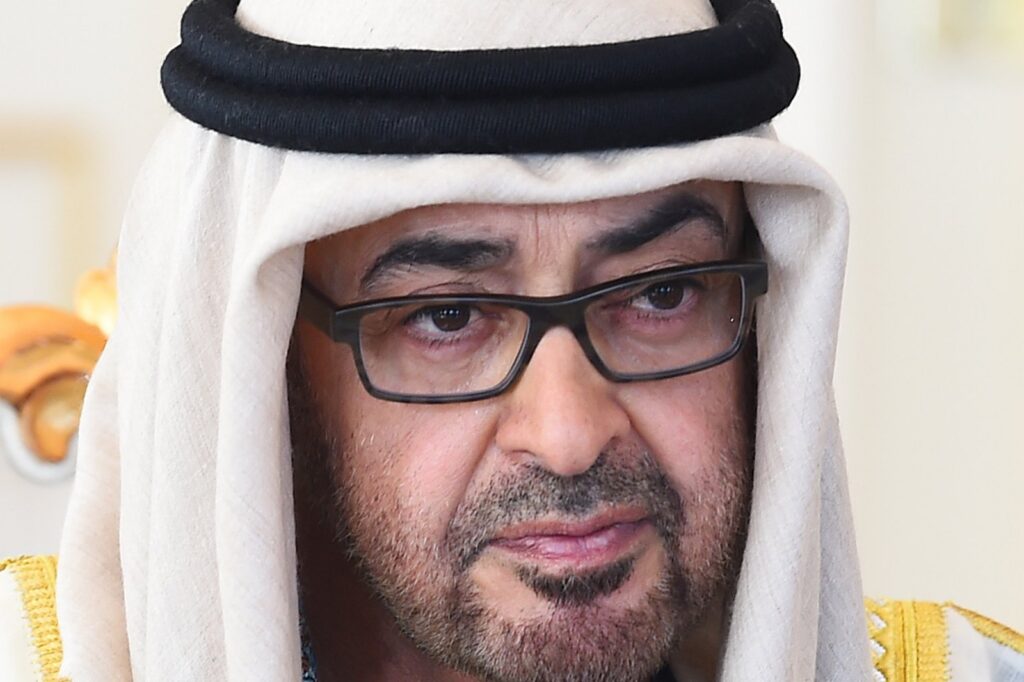
“We don’t really want to see another round of confrontation in the region,” Gargash told the Manama Dialogue in Bahrain on Sunday.
He hopes Qatar-led mediation can produce a breakthrough between the United States and Iran. At the same time, he acknowledged that their positions remained far apart.
“If these positions are not bridged, then we have to worry about the worst,” he said.
Negotiations in Qatar
Abbas Araghchi, Iran’s foreign minister, said his country’s negotiators were discussing a proposal in Qatar that might soon reopen the Strait of Hormuz.
Araghchi said no direct talks with Washington were taking place. The outcome depended on American answers to what he called “Iranian questions.”
In an interview shared on Telegram, he said Iran wanted the United States to choose “diplomacy over other paths.” He added that Tehran was prepared for diplomacy and defense, depending on Washington’s “rationality.”
Gargash argued that political instruments offered the only credible route out. Military options, he said, would further complicate an already difficult situation rather than produce quick exits.
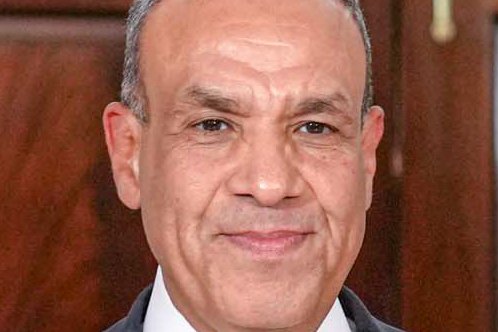
Egyptian Foreign Minister Badr Abdelatty delivered a similar warning a day earlier. “The second round (of escalation) will be more dangerous, more destructive, and it will lead to nowhere,” he told the gathering.
What renewed conflict means closer to home
The Strait of Hormuz carries energy supplies and trade on which households and businesses depend. Disrupted navigation can reach food supply chains, employment and prices far beyond the waterway itself.
The UAE has emphasized freedom of navigation and transit passage under international law. Gargash described secure flows of trade, energy and other supplies as foundations of development and food security.
He said that “the security of the Gulf states is interconnected and what affects any of them affects the UAE,” adding that “trust with Iran has been shaken.”
The conflict began on February 28 with joint US and Israeli strikes on Iran, followed by Iranian attacks on Gulf nations. Gargash called it “a watershed year” for the region and the world.
Bahrain also sustained attacks at the height of the war. IISS said Iran launched 500 drones and nearly 200 ballistic missiles toward the country, which hosts the US Navy’s 5th Fleet.
Strikes hit the naval base, homes, the financial district and a desalination plant. Those targets connected military escalation directly to civilian infrastructure and water supplies.
A gap in collective Gulf defense
Gulf countries have since spent billions of dollars strengthening their defenses. The Manama discussions also exposed a weakness in coordination among the six Gulf Cooperation Council members: Saudi Arabia, the UAE, Kuwait, Bahrain, Qatar and Oman.
During the heaviest attacks, individual states worked with US command and control centers rather than mounting an integrated regional response. IISS said that arrangement sometimes impeded the overall defensive effort.
“In one of our most critical crises, we collectively have not risen to the challenge,” Gargash said. He distinguished that failure from national and bilateral efforts, which he said had been stronger.
He nevertheless described UAE relations with Washington as having become “even more important” and central to the Emirates’ ability to defend itself.
Bahraini Foreign Minister Abdullatif bin Rashid Al Zayani welcomed every initiative that could lower tensions and create dialogue. He accused Iran of maintaining a pattern of attacks and threats against maritime, aviation and data infrastructure.
For communities across the Gulf, the diplomatic objective is tangible: reopen a vital shipping passage and prevent another campaign against airports, energy plants and homes.
The next step rests with the Qatar talks. Araghchi said Iran was awaiting Washington’s answers, while Gargash warned that unbridged positions would leave the region preparing for the worst.
Sources
- United Arab Emirates
- Statement by the Minister of State of the United Arab Emirates at the General Debate of the 81st Session of the United Nations General Assembly
- UAE seeks diplomatic breakthrough with Iran amid Gulf unrest | The Jerusalem Post
- United Arab Emirates says military solutions offer no quick off-ramps to crisis with Iran
- Ballon d’Or 2026: Lionel Messi backed by six countries despite fifth-place finish
- Asia Cup Hong Kong China Squad | Team Hong Kong China Squad Asia Cup 2025 | Cricket News
Photo: Press Service of the President of the Republic of Azerbaijan (CC BY 4.0)