
Economic Implications for Host Communities
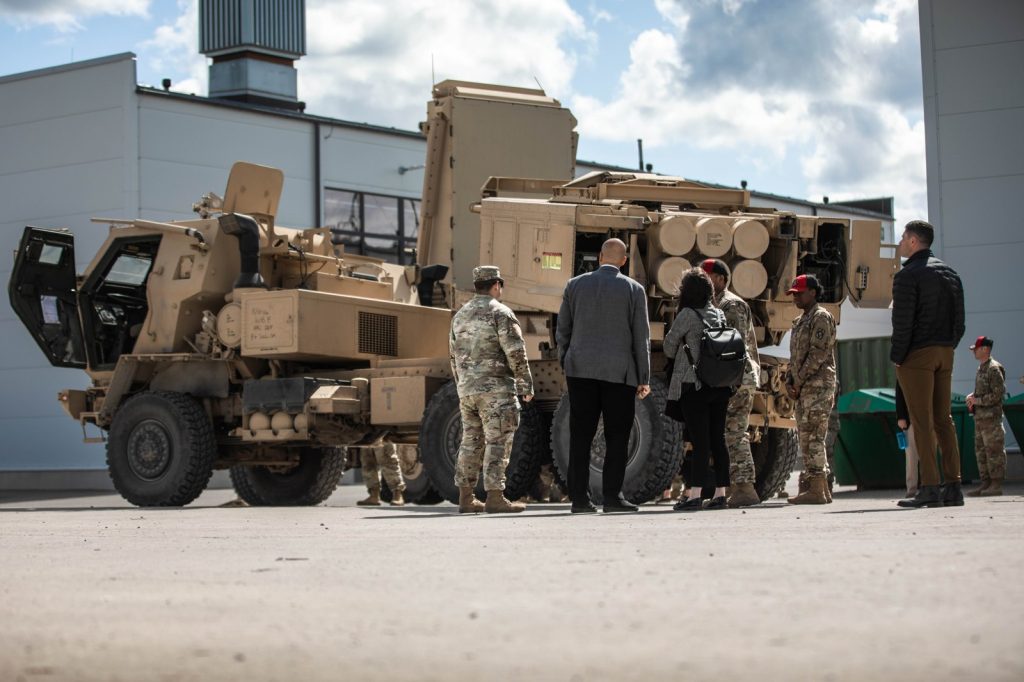
The economic integration between U.S. forces and Estonian host towns has been substantial. The withdrawal is expected to trigger a cascade of reduced spending, potentially affecting small businesses that have grown dependent on the military clientele. In Tapa, a town of just 6,000, the presence of U.S. personnel has provided a reliable source of revenue for construction firms, logistics companies, and service providers ranging from restaurants to retail shops. The nearby Ämari base has similarly benefited local economies. With the removal of that spending, the prospects for job losses and a contraction in the housing market and retail sector have become a central concern for local leaders. The U.S. has pledged to continue infrastructure investments, including the $30 million Tapa base upgrade completed in 2023, but those capital projects do not replace the recurring economic stimulus from troop presence.
Estonia’s Defense Response and Regional Context
The presence of U.S. military personnel in Estonia has long served as a cornerstone of the country’s security strategy, part of broader international efforts to maintain stability in the Baltic region and provide a deterrent against potential external aggression. To mitigate the impact of shifting military footprints, the Estonian government has focused on strengthening its own national defense capabilities. The government has allocated €1.2 billion for defense in 2025, a 15% increase from 2024, partly to offset the loss of U.S. capabilities. In addition, the Estonian Defense League—a voluntary paramilitary organization with 20,000 members—will see increased training and funding. This domestic push reflects a broader calculus: a small nation with deep trade links is now weighing heavier self-reliance as foreign troop footprints change.
Estonia’s historical experience informs its current approach. The Baltic country regained full independence from Soviet rule in 1991 after decades of occupation. Before that, the nation was ruled by outside powers across centuries. A national identity took hold in the nineteenth century, and independence first arrived in 1918. That early state was lost during the Second World War and only restored following the nonviolent Singing Revolution at the close of the Soviet period. After independence, Estonia built a market economy and joined both the European Union and NATO in 2004. Its economy remains closely tied to developments in neighboring Finland and Sweden. As a small-member state of the European Union with a developed, high-income system and a reputation for low corruption, Estonia now faces the challenge of adapting its defense posture while maintaining economic stability.
The U.S. withdrawal does not sever all ties. Continued infrastructure investments and the pledge to maintain some level of support mean that the bilateral relationship remains robust. Yet the economic shock to Tapa and Ämari, combined with the strategic shift toward domestic defense spending and volunteer readiness, marks a significant transition for Estonia. The country’s ability to balance heavier self-reliance with its deep integration into Nordic and European economies will shape its security and prosperity in the years ahead.




