
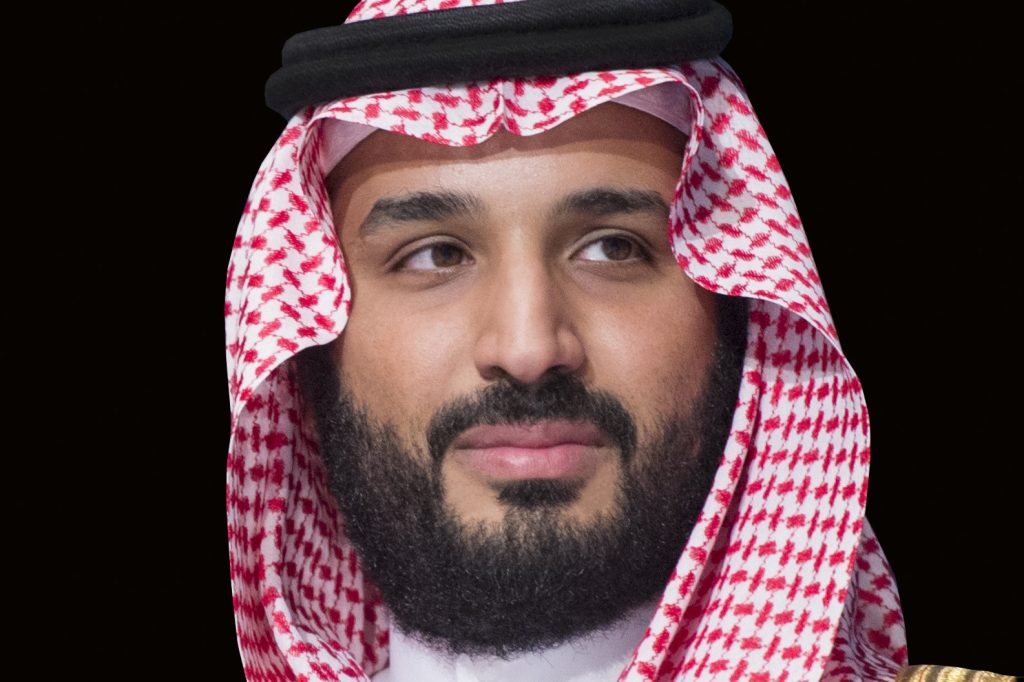
The phone call between President Trump and Crown Prince Mohammed bin Salman failed. That much is clear from the record of the weeks-long crisis that gripped the U.S.-Saudi alliance this spring. What resolved the standoff was not talk.
It was a threat to cut off the very missiles that keep Saudi cities alive. For four days in early May, Saudi Arabia grounded 43 American warplanes at Prince Sultan Air Base.
It closed its airspace to Project Freedom, the U.S. military mission forcing the Strait of Hormuz open for merchant shipping. The crown prince told Trump the operation was “not well thought-out.” He feared direct Iranian retaliation on Saudi soil. The White House answer came in hardware.
American officials threatened to withhold deliveries of Patriot and THAAD air-defense interceptors. These are the missiles Saudi Arabia relies on to shoot down Iranian drones and ballistic missiles crossing its airspace.
Since the war began, Riyadh had intercepted 21 drones and 7 ballistic missiles. The message was blunt: cooperate, or take the next Iranian strike without American protection. The local impact is not theoretical.
It is measured in metal and fire. Every one of those 21 drones and 7 missiles that got shot down came at a city, an oil facility, a population center. The THAAD and Patriot batteries that stopped them are American-made.
Without replacement interceptors, the system runs dry. A single Iranian missile getting through changes a neighborhood.
A second changes a city. This is the human story of the war with Iran that began in February. For months before the strikes on Iranian nuclear sites, Riyadh pushed behind the scenes.
It lobbied Washington. It offered intelligence.
It quietly backed U.S. and Israeli officials who wanted a military solution. When the strikes came, Saudi Arabia did not object. Then the conflict expanded.
And Saudi Arabia watched. The rupture came on May 3, when Trump ordered U.S. forces into the Strait of Hormuz without telling the crown prince first. The New York Times reported that Trump was “left stunned” by the Saudi reaction.
A direct phone call between the two leaders failed to resolve the dispute. What changed things was not diplomacy.
It was the threat to withhold the missiles. Saudi Arabia restored access to the air base and reopened its airspace. The warplanes flew again.
The escort mission resumed. For people living under the flight paths near Prince Sultan Air Base, the four-day closure was a quiet crisis.
The base sits about 120 kilometers southeast of Riyadh. It houses American warplanes that patrol the skies above central Saudi Arabia. When those planes stopped flying, the air defense net over the capital thinned.
Residents noticed the silence. They noticed the absence of contrails. The underlying tension remains.
Saudi Arabia helped start this war. It pushed for the strikes.
It provided intelligence. But when the fighting widened, the kingdom balked at the risk to its own territory. The crown prince drew a line at direct Iranian retaliation on Saudi soil.
The White House drew a different line: cooperate, or lose the protection you need. The interceptors themselves tell the story.
Each Patriot missile costs about $4 million. Each THAAD interceptor costs about $8 million. Saudi Arabia had fired 28 of them by the time of the standoff.
That is a lot of money. It is also a lot of protection. Without resupply, the next Iranian salvo finds its mark.
The war continues. The Strait of Hormuz remains contested.
The U.S. escort mission flies on. And Saudi Arabia still needs those missiles. The alliance held.
But the phone call that failed and the threat that worked are not forgotten. They are the new baseline.




