
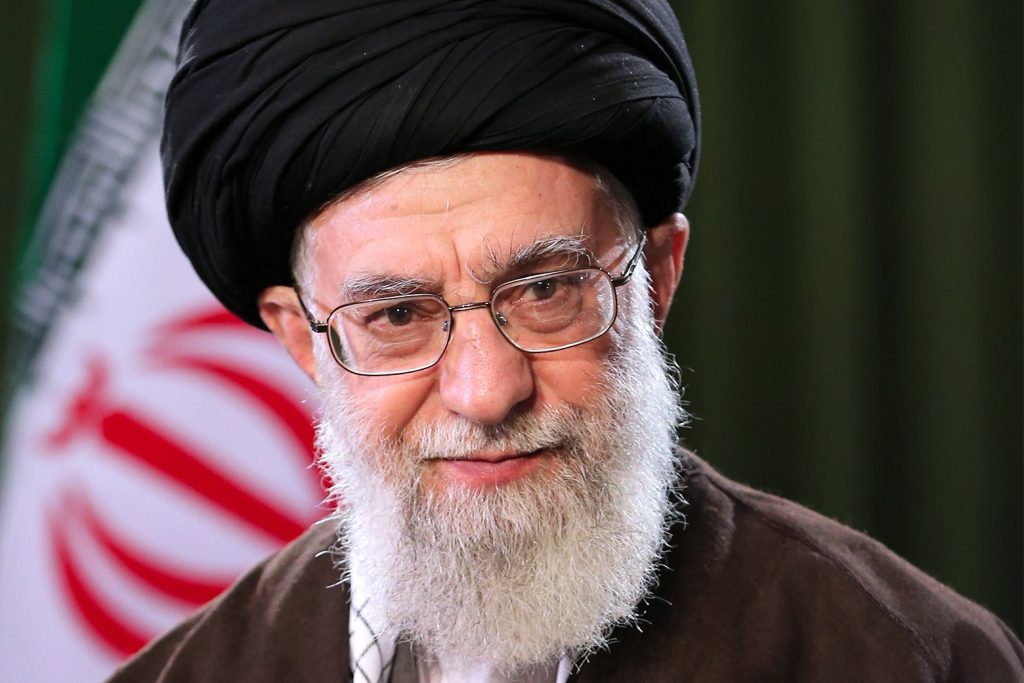
TEHRAN, July 2 — Iran is preparing what authorities describe as the largest state funeral in the country’s history for Ayatollah Ali Khamenei, whose body has been preserved in cold storage since February 28. That was the day US and Israeli strikes killed him in the opening hours of a war that has not fully ended. On Saturday, after four months and two rounds of ceasefire negotiations, Iran will finally bury the man who led the Islamic Republic for 37 years.
The ceremonies run from July 4 through July 9, moving through Tehran and Qom before crossing into Iraq, where processions are planned in Najaf and Karbala. Tehran’s mayor has projected that 20 million mourners will converge on the capital for Monday’s main procession.
The route stretches 10 kilometers from Imam Hossein Square to Azadi Square, in temperatures expected to reach 45 degrees Celsius. Another 8 to 10 million are expected when the burial takes place on July 9 in Mashhad, near the Imam Reza shrine, in the city where Khamenei was born 86 years ago. Authorities have cited genuine concern about a crowd disaster.
They reference the 1989 funeral of Ayatollah Khomeini, when the sheer volume of mourners caused a stampede and the initial procession had to be abandoned. The Basij paramilitary force, founded under Khamenei as a mass mobilization instrument of the revolution, is coordinating the funeral arrangements.
The IRGC is handling security. Schools, mosques, sports halls, and universities across Iran have been converted into accommodation. Highways are being designated as parking areas.
The government declared a national holiday and pardoned 850 prisoners ahead of the ceremonies, as reported by Euronews. The four-month delay was itself a political fact. Iran could not safely hold a mass public gathering until now.
The war that killed Khamenei has not fully ended, though two rounds of ceasefire negotiations have taken place. What comes next for Iran without the man who led it for 37 years remains uncertain.
The funeral itself, with its enormous projected crowds and extreme heat, presents its own risks. Authorities are watching closely, mindful of the disaster that struck Khomeini’s funeral nearly four decades ago.




