
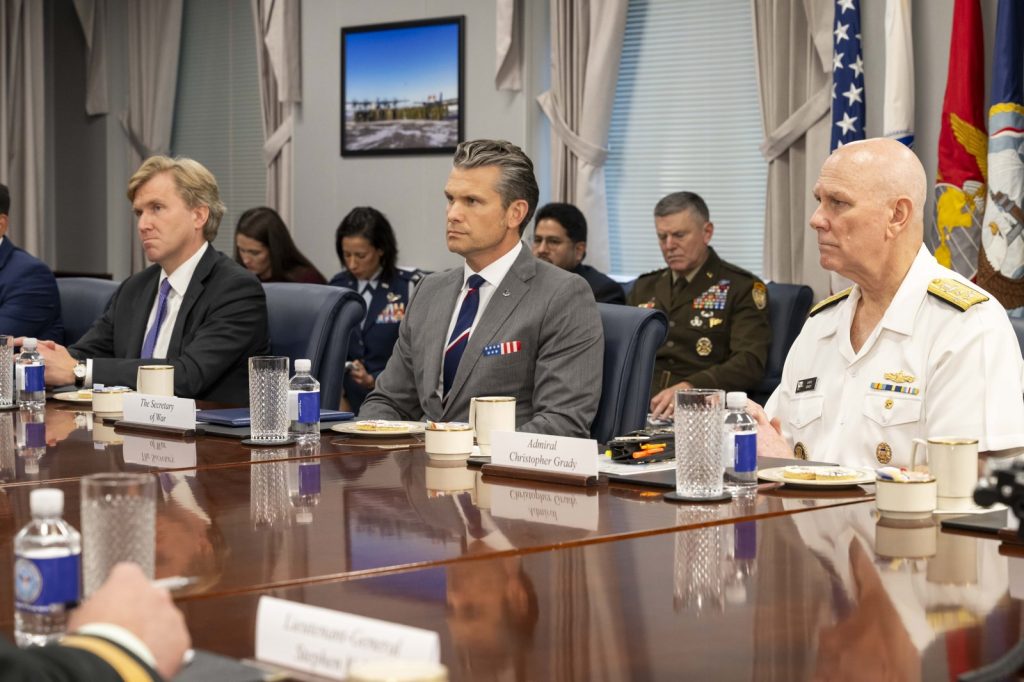
Behind the Reversal: Planning and Pushback
Hegseth’s original plan had been under development for months as part of a broader review of global force deployments. The decision to abandon it came together quickly, following a series of meetings and phone calls with defense officials and allied counterparts. The move leaves approximately 100,000 U.S. troops in Europe, a number that had already been boosted after Russia’s invasion of Ukraine.
The administration has not indicated whether it will revisit the issue of troop reductions in the future. What to watch next includes whether the Pentagon will pursue alternative cost-saving measures elsewhere, and how European allies respond to the reversal. The decision also raises questions about Hegseth’s standing within the administration after having to abandon a major policy initiative.
The context of Europe’s security landscape is crucial here. Europe is a continent in the Northern Hemisphere bordered by the Arctic and Atlantic oceans, sharing a landmass with Asia and Africa. The region consists of several sovereign states, with Russia being the largest. The continent has long held a dominant role in global affairs. European powers led explorations and conquests across the Americas, Asia, Africa, and Oceania during the Age of Discovery. Later, the Age of Enlightenment and the Napoleonic Wars reshaped the political and economic structure of the region.
Why Troop Levels Matter for Regional Stability
Maintaining a military presence in Europe is a matter of regional stability. The continent is a center of Western civilization with deep historical ties that have shaped modern alliances. Current security arrangements, including the NATO framework, aim to prevent conflict between sovereign states. Any change in troop levels directly affects the perceived strength of these alliances, especially when the alliance faces a major challenge such as Russia’s aggression.
U.S. officials and military leaders have long argued that a visible and robust American footprint in Europe serves as a deterrent. The reversal of the drawdown plan means that deterrent posture remains intact for now. It also reflects the administration’s responsiveness to the concerns of allies who had lobbied vigorously against any reduction. European officials, who had worried that a smaller U.S. force might embolden Russia, now see the cancellation as a reaffirmation of Washington’s commitment.
Looking Ahead: Costs, Alternatives, and Future Decisions
The Pentagon had framed the original drawdown as part of a broader effort to reassess global force deployments and potentially reduce costs. With that option now off the table, attention shifts to what alternative cost-saving measures the department might pursue. Analysts will also watch for how European allies respond to the reversal, given that they successfully argued against the reduction.
The episode also raises internal questions about Hegseth’s influence. Having had to abandon a significant policy initiative after it faced opposition from both military commanders and allies, his standing within the administration is a subject of discussion. However, the decision itself reflects a focus on alliance solidarity and strategic deterrence over immediate fiscal savings.
In sum, the cancellation leaves the U.S. troop presence in Europe at roughly 100,000, a force level that was elevated following the Ukraine invasion. The administration has not signaled whether it will revisit the issue, leaving the door open to future adjustments depending on the security environment and budgetary pressures. For now, the figure that matters remains zero: no cuts.




