
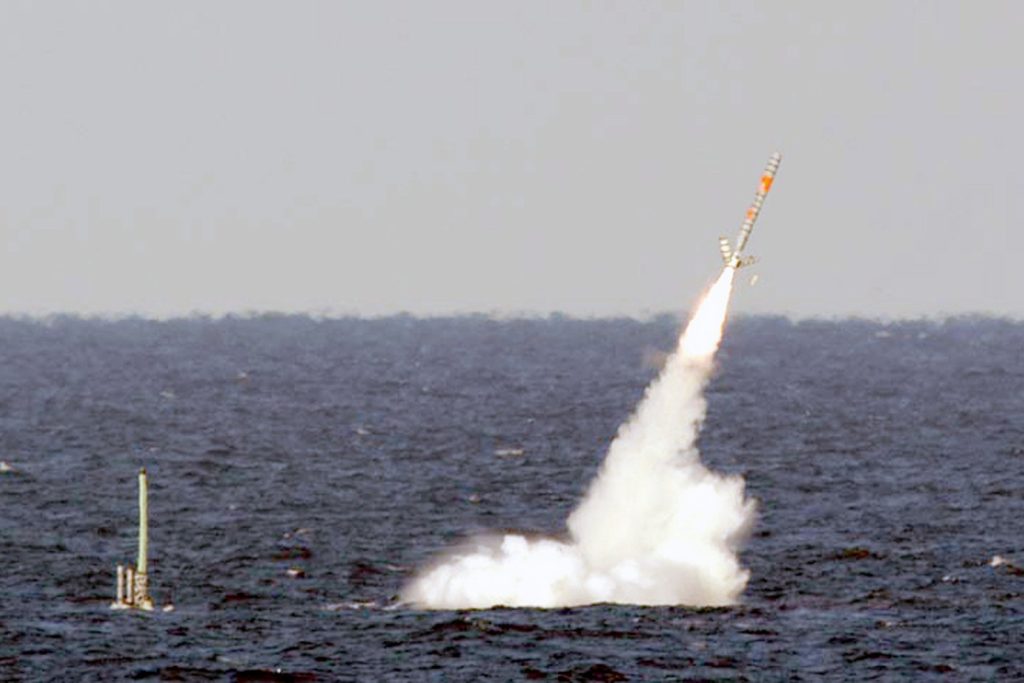
The Middle East has entered a dangerous new phase of confrontation as the United States has conducted direct military strikes against Iran, a move that dramatically widens a regional conflict already fueled by war in Gaza, attacks on Red Sea shipping, and cross-border exchanges along the Israel-Lebanon border. The strikes mark the first time the United States has directly targeted Iran itself rather than one of its proxy forces, and they come as the broader crisis shows no signs of easing.
The current wave of instability was set in motion on October 7, 2023, when Hamas launched a surprise attack on Israel, killing about 1,200 people and taking more than 200 hostages into Gaza. Israel responded with a sustained military campaign in Gaza that, according to the Gaza Health Ministry, had resulted in over 40,000 Palestinian deaths as of October 2024.
The humanitarian toll has been severe: a tightened Israeli blockade cut off basic necessities, leading to a partial famine; most of Gaza’s civilian infrastructure, including hospitals, schools, and religious sites, has been destroyed; and the vast majority of the strip’s population has been forcibly displaced. Thousands of Palestinians from Gaza and the West Bank have been detained.
Journalists, health workers, and aid workers have been killed or tortured. Many scholarly sources and international organizations have concluded that Israel’s actions amount to genocide under international law, a charge Israel and its allies deny. The conflict also drove tens of thousands of Israelis from their homes near the border.
A ceasefire late in 2023 collapsed, a second truce in early 2025 ended when Israel launched a surprise attack in March, and a third ceasefire took effect in October after both sides agreed to an initial phase of a US-backed peace plan. Under that plan, Hamas later announced the resignation of its civil administration.
A Conflict Beyond Gaza
The war has never been contained solely to Gaza. Since November 2023, Iranian-backed Houthi rebels in Yemen have attacked commercial ships in the Red Sea, disrupting one of the world’s most critical maritime trade routes.
The Houthi attacks have forced shipping companies to reroute vessels, adding time to delivery and driving up costs for consumers worldwide. The United States had already conducted airstrikes on Houthi targets in Yemen in January and February 2024, attempting to degrade the rebels’ ability to threaten commercial shipping. Those strikes, while significant, did not stop the Houthi campaign.
Meanwhile, Hezbollah in Lebanon, another Iranian-backed group, has exchanged fire with Israel since October 2023. That cross-border fighting has displaced tens of thousands of people on both sides of the Israel-Lebanon border and raised the constant threat of a full-scale war between Israel and Hezbollah.
The New Direct Confrontation with Iran
The latest US strikes on Iran represent a major departure from the previous pattern of American military involvement in the region. Iran has long been the strategic patron of Hamas, Hezbollah, and the Houthis, providing weapons, training, and funding. Direct American military action against Iran itself — rather than against its proxies — sharply increases the risk of a wider regional war. The strikes occur as the Israel-Hamas war continues with no end in sight and as the Houthi attacks on Red Sea shipping remain a persistent problem.
The United States now finds itself engaged militarily on multiple fronts — in Yemen, in Gaza indirectly through support for Israel, and now directly against Iran. The timing also raises the possibility that Hezbollah in Lebanon could be drawn more directly into the conflict.
The strikes on Iran represent the most direct US military action in the Middle East since the Trump administration killed Iranian General Qassem Soleimani in a drone strike in January 2020. That strike led to Iran firing ballistic missiles at US bases in Iraq, but both sides ultimately stepped back from all-out war. Whether this latest escalation follows a similar pattern — or whether it spirals into something larger — is the central question for the region now.
Implications for the Region and Beyond
The key question in the coming days will be how Iran responds. It could retaliate directly or use its network of proxies to strike at American and Israeli interests. The Houthis in Yemen, already attacking Red Sea shipping, could escalate their campaign.
Hezbollah in Lebanon, which has largely kept its conflict with Israel at a lower intensity, could open a second front. Another factor is how other regional powers react.
Saudi Arabia and the United Arab Emirates, which have been seeking to normalize relations with Israel, may now find themselves caught between their security partnerships with the United States and their desire to avoid being drawn into a wider conflict. For American consumers, the practical consequence could be further disruption to global trade if the Houthi attacks on Red Sea shipping intensify, or if the conflict spreads to other chokepoints like the Strait of Hormuz, through which a significant portion of the world’s oil passes.
The direct US strikes on Iran have added a new and unpredictable element to a regional war that has already caused widespread destruction and humanitarian crisis, and now carries the risk of drawing in additional state actors with consequences for global stability and trade that could reach far beyond the Middle East.




