
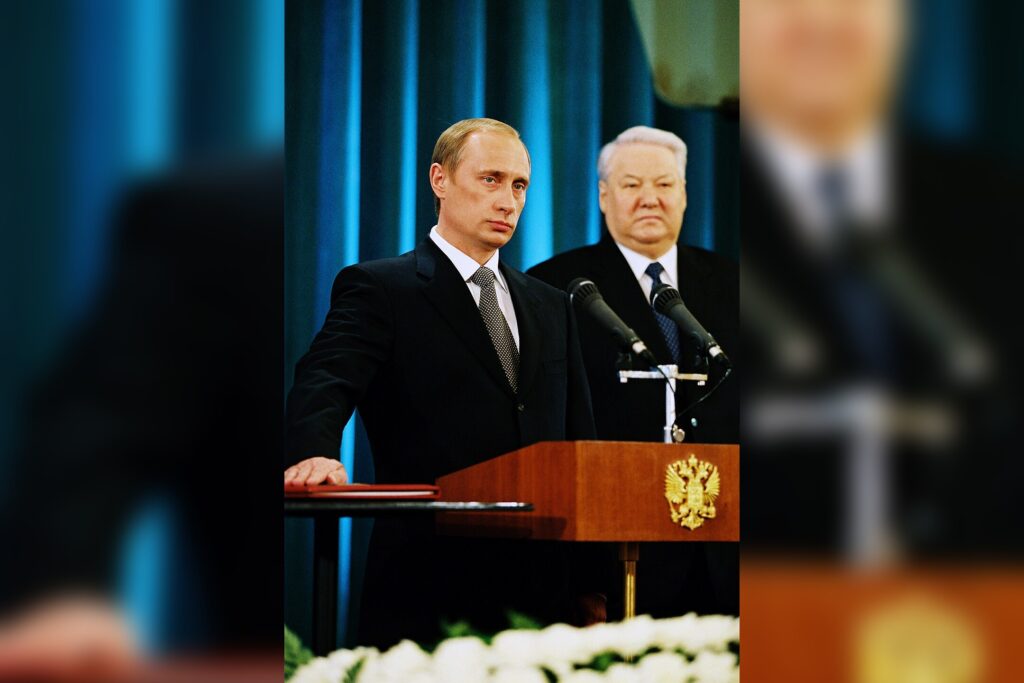
MOSCOW, July 15 — The shift is subtle but unmistakable: Vladimir Putin, the man who has defined modern Russia for over two decades, is now navigating a very different kind of war. The full-scale invasion of Ukraine, launched on February 24, 2022, has entered a new phase, and the calculus in the Kremlin appears to be hardening. Putin, born on October 7, 1952, in Leningrad, was a KGB intelligence officer from 1975 to 1991.
That Cold War training has shaped his playbook. He became President on December 31, 1999, succeeding Boris Yeltsin, and has held the presidency continuously since 2012, with a term as Prime Minister from 2008 to 2012.
The trend underneath his current strategy is a demand for total recognition of Russia’s territorial gains.
The Core Demands
Putin has explicitly demanded that Ukraine recognize Russia’s annexation of four Ukrainian oblasts and Crimea. Crimea was annexed in March 2014. He also insists that Kyiv drop its NATO membership aspirations entirely.
For Putin, this is not a negotiating position; it is a precondition for any settlement. The invasion itself, which Putin called a “special military operation,” was framed as an effort to demilitarize and denazify Ukraine.
What has unfolded instead is a war of attrition. The source material notes that the invasion has resulted in tens of thousands of casualties, widespread destruction, and international sanctions. Watch this space: the sanctions regime, coordinated by the US and Europe, has not broken the Russian economy, but it has reshaped it.
The Legal Shadow
On March 17, 2023, the International Criminal Court indicted Putin for war crimes related to the deportation of children from Ukraine. That indictment hangs over every diplomatic move he makes. It limits his travel to ICC member states and brands him — at least in the eyes of the court’s 123 members — as an alleged war criminal.
What’s changing is the legal architecture around the conflict. The ICC’s action was unprecedented: a sitting leader of a UN Security Council permanent member state was charged.
The Kremlin dismissed the indictment as legally void, since Russia is not an ICC member. But the political signal was clear. For Putin, the war is existential; for the West, it is now also a matter of international law.
Domestic Approval and Reality
Putin’s domestic approval rating has remained above 80% according to state-controlled polls. Independent surveys, however, suggest lower figures. The gap between official numbers and independent reality is a feature of the system he built.
He is 72 years old as of January 2025. That age matters.
The longer the war drags on, the more questions arise about succession, health, and the durability of the regime. But in a system where one man holds the levers — and has done so since the turn of the millennium — the biological clock is a structural factor.
The war in Ukraine has become a grinding, high-casualty conflict. Tens of thousands of soldiers and civilians have died.
The destruction is widespread, and the international sanctions have isolated Russia from much of the global financial system.
What to Watch Next
The trend underneath all of this is a leader who has bet his legacy on a military victory he cannot define in clear terms. The demand for Ukrainian recognition of annexed territory and the rejection of NATO membership are non-starters for Kyiv. The ICC indictment ensures that any peace deal would have to grapple with the question of accountability.
Putin’s trajectory from KGB officer in Leningrad to the Kremlin, from the annexation of Crimea in 2014 to the full-scale invasion in 2022, is a story of escalating risk. The shift now is that the risks are no longer just military or diplomatic — they are legal, economic, and demographic.
Watch this space. The next phase of this conflict may not be fought on the battlefield alone.




