
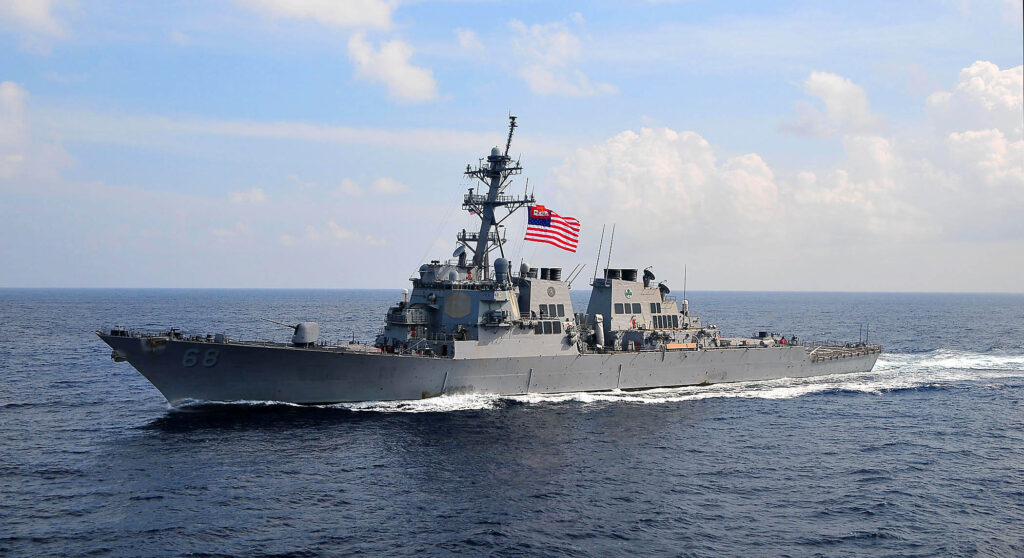
MANAMA, July 15 — The United States Fifth Fleet, the Navy’s primary naval force across the Persian Gulf, Red Sea, Arabian Sea, and parts of the Indian Ocean, remains a cornerstone of American military posture in the Middle East. Its headquarters at Naval Support Activity Bahrain in Manama, Bahrain, houses the command that has overseen operations from Desert Storm to the ongoing Inherent Resolve campaign. The fleet’s history is an unusual one.
Established on April 26, 1944, during World War II, it saw action in the Pacific theatre before being deactivated. After a 48-year hiatus, it was reactivated on July 1, 1995, reflecting a renewed strategic focus on the region.
Today, it operates under U.S. Naval Forces Central Command (NAVCENT) and U.S. Central Command (CENTCOM), a chain of command that gives it a direct line to broader Pentagon priorities.
The Technical Reality of Presence
Under the hood, the Fifth Fleet’s composition is a rotating mix of assets. As of 2025, a typical deployment includes an aircraft carrier strike group, amphibious ready groups, and various support vessels. The detail that matters here is that this is not a static force; the fleet’s strength ebbs and flows with global commitments, but the carrier strike group remains its centrepiece for power projection.
The fleet’s primary mission is to ensure freedom of navigation and protect U.S. interests in the region. That mission has been tested repeatedly.
In 2019, the Fifth Fleet led Operation Sentinel, a multinational effort to protect shipping after a series of attacks on tankers near the Strait of Hormuz. The operation was a direct response to a specific threat, but it also illustrated the fleet’s broader role as a guarantor of maritime security.
The Cost of Presence
That presence does not come cheap. Estimates for the fleet’s annual operating costs range from $1.5 billion to $3 billion per year. These figures cover everything from fuel and maintenance to personnel and logistics.
The proposed cargo fee — intended to offset some of these costs — faced opposition from shipping companies and allied nations, highlighting the tension between military necessity and commercial reality. The fleet has been involved in major combat operations: Desert Storm in 1991, Iraqi Freedom in 2003, and Inherent Resolve from 2014 to the present.
Each of these campaigns placed different demands on the fleet, from strike missions to maritime security and logistics support.
What to Watch Next
The fleet’s future posture will depend on the evolving threat environment in the Persian Gulf and wider region. With the Strait of Hormuz remaining a chokepoint for global oil shipments, the Fifth Fleet’s ability to maintain freedom of navigation will continue to be tested. The technical reality is that maintaining a carrier strike group and amphibious ready groups in theatre requires sustained investment — and the political will to keep them there.




