
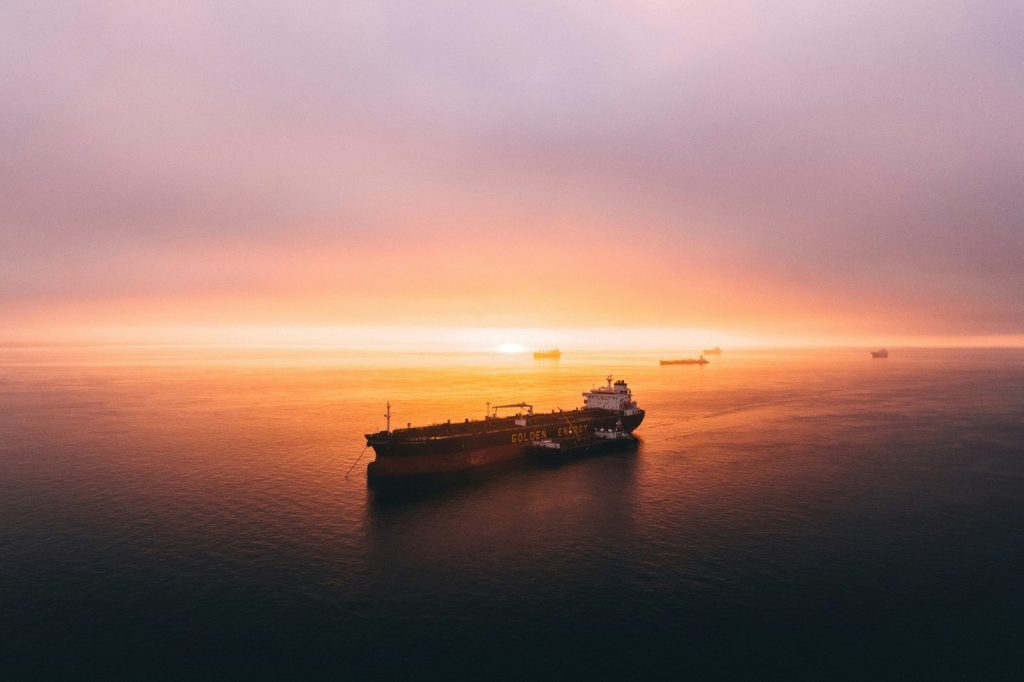
WASHINGTON, July 7 — The U.S. military confirmed new attacks in the Strait of Hormuz on April 13, 2025, marking the latest chapter in a maritime confrontation with Iran that stretches back decades.
The attacks come just two days after Israeli airstrikes hit Iranian nuclear facilities in Isfahan on April 11, 2025. The U.S. confirmed the strikes on April 13. The practical upshot: a volatile cycle of retaliation appears to be accelerating, with commercial shipping lanes now squarely in the crosshairs.
Think of it like a pressure cooker that keeps getting turned up a notch. The current escalation didn’t emerge from nowhere.
U.S.-Iran maritime tensions date back to the Iran-Iraq War from 1980 to 1988, when the U.S. Navy escorted Kuwaiti tankers under Operation Earnest Will from 1987 to 1988. That era produced one of the worst disasters in the history of the two countries: in 1988, the USS Vincennes mistakenly shot down Iran Air Flight 655, killing 290 civilians.
More recently, the 2019 to 2021 period saw multiple attacks on tankers near the Strait of Hormuz. The May 2019 Fujairah incident and the June 2019 attacks on the Kokuka Courageous and Front Altair drew international attention. The U.S. blamed Iran’s Islamic Revolutionary Guard Corps for those attacks.
In 2020, the U.S. killed IRGC Quds Force commander Qasem Soleimani in a drone strike. That assassination marked a dramatic escalation, one that Iran has not forgotten.
There was a brief respite. The 2023 prisoner swap and informal understandings between the two countries led to a temporary de-escalation. But that period of relative calm appears to be over.
Here’s what it means in plain terms: the Strait of Hormuz is a narrow waterway through which about a fifth of the world’s oil passes. When Iran and the U.S. trade blows near that chokepoint, global energy markets pay attention. So do the crews of the tankers transiting those waters.
The U.S. administration under President Donald Trump has not publicly detailed its next steps. But with Israeli airstrikes having already struck Iranian nuclear sites, and with new attacks confirmed on April 13, the region is bracing for what comes next.




