
The narrow Strait of Hormuz, a waterway that carries roughly one-fifth of the world’s daily petroleum supply, has re-emerged as a flashpoint. The United States government confirmed on April 13, 2025, that Iran has resumed attacks on commercial vessels transiting the strategic chokepoint, which connects the Persian Gulf to the Gulf of Oman. This development marks a significant escalation after a period of relative calm that followed the 2023 U.S.-Iran prisoner swap and informal understandings between the two countries.
The U.S. Navy’s Fifth Fleet, headquartered in Bahrain, reported multiple incidents involving Iranian fast-attack boats and naval mines targeting tankers in the strait. U.S. Central Command stated that no U.S. military personnel were harmed, but several commercial ships sustained damage.
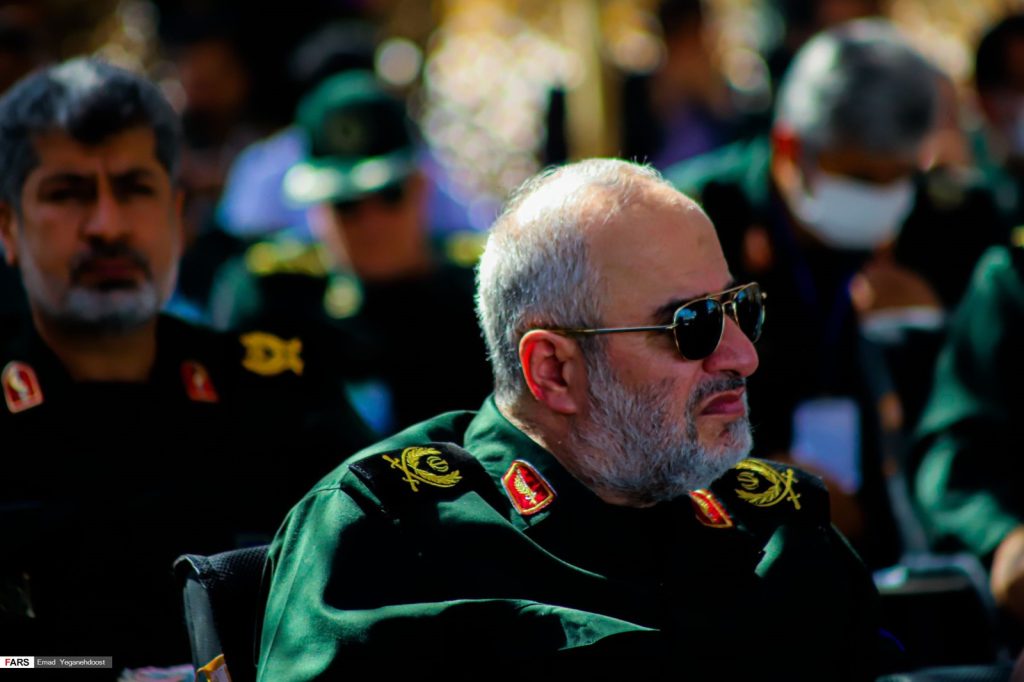
Iran’s Islamic Revolutionary Guard Corps Navy claimed responsibility for the attacks, citing retaliation for alleged Israeli strikes on Iranian nuclear facilities in Isfahan that occurred on April 11, 2025.
U.S. Response and International Action
In response to the renewed threats, the United States has deployed additional destroyers and aircraft to the region. The United Nations Security Council is scheduled to hold an emergency session on April 14, 2025, to address the situation.
Early findings suggest the situation remains fluid, and the attacks threaten to disrupt global oil supply chains while raising tensions across the Middle East. The encouraging part of the international response is that the Security Council is moving quickly to convene, underscoring the gravity of the incidents. The attacks come after a period of relative quiet in the strait following the 2023 diplomatic agreements.
For observers, the global economy and regional stability are the patients in this scenario. The key, as events develop, is to stay informed and consult trusted news sources and policymakers—or, in a more personal context, a doctor if one is concerned about energy market exposure.
Strategic Importance of the Strait of Hormuz
The Strait of Hormuz is the narrow waterway that links the Persian Gulf to the open ocean and forms the sole maritime outlet for several Gulf states. The passage has long been recognized as one of the world’s most strategically important choke points because it carries a large share of global seaborne oil and liquefied natural gas each year. Ancient mariners already described the entrance to the Persian Gulf in written guides, and the route has served as a major conduit for trade between the region and outside powers for many centuries.
Unlike some other strategic straits that saw closure during past Middle East conflicts, Hormuz remained open for extended periods even as tensions rose. However, Iranian authorities periodically warned they might block the waterway and made preparations to lay mines.
Those threats and the waterway’s central role in energy supply gave the strait lasting geopolitical weight before the recent incidents.
Global Economic and Regional Stability Implications
Any disruption to shipping through the Strait of Hormuz can create severe supply shortages and unsettle energy markets across Europe and Asia. Because the strait is the only sea passage for a group of Gulf countries, its stability affects global trade far beyond the immediate region. With about 20% of the world’s petroleum passing through the strait daily, even temporary interruptions can have cascading effects on fuel prices and supply chains worldwide.




