
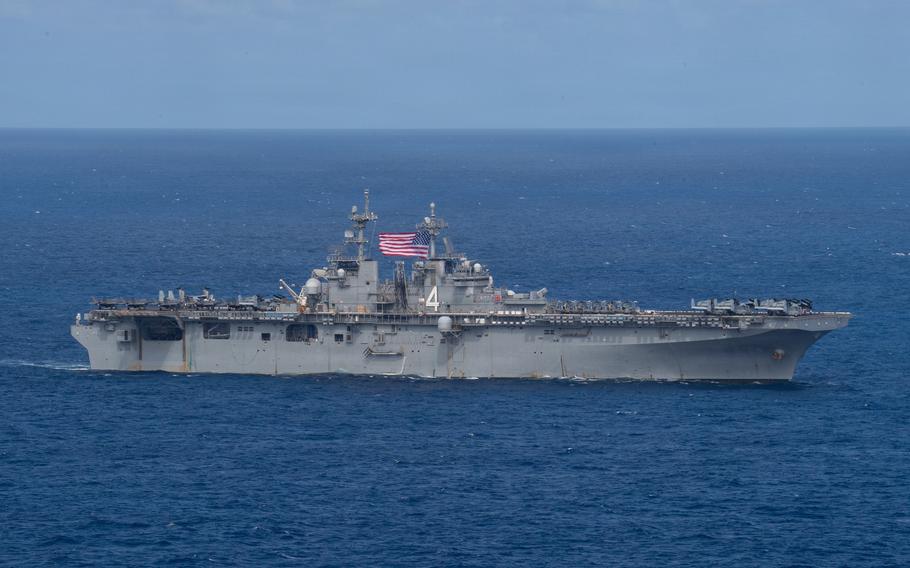
MANAMA, July 11 — The United States Fifth Fleet, a fixture of American naval power in the Middle East since 1947, faces an uncertain future following today’s announcement. Based at Naval Support Activity Bahrain, the fleet holds responsibility for operations across the Persian Gulf, Gulf of Oman, Red Sea, and parts of the Indian Ocean.
Under the hood, the Fifth Fleet’s typical composition — an aircraft carrier strike group, amphibious ready groups, and support vessels — represents a formidable projection of force. As of 2025, it operates under U.S. Central Command (CENTCOM), the unified combatant command overseeing the region. The technical reality is that any closure would leave a significant gap in maritime security architecture that has been in place for nearly eight decades.
History of Collective Security
The United States established the Fifth Fleet in 1947, positioning it as a permanent naval presence in one of the world’s most strategically vital waterways. The fleet’s area of responsibility covers chokepoints critical to global energy supplies and trade routes.
In 2019, Washington formed the International Maritime Security Construct (IMSC) in response to previous threats against commercial shipping. The IMSC includes the United Kingdom, Australia, and Saudi Arabia among its members. The UK’s Royal Navy maintains a separate but complementary presence through the UK Maritime Component Command, also based in Bahrain.
Other nations have conducted independent naval patrols in the region. France and India, for example, have deployed their own vessels to ensure freedom of navigation. The detail that matters here is the patchwork of alliances and independent operations that would need to be reconfigured should the Fifth Fleet’s role diminish.
Contingency Plans and Commercial Concerns
The closure announcement may trigger activation of contingency plans. Among the likely measures, according to defence analysts tracking the situation, are potential escort operations for commercial vessels. These would aim to protect merchant shipping from harassment or attack, a mission the Fifth Fleet has historically performed as part of its broader mandate.
The fleet’s typical assets — an aircraft carrier strike group, amphibious ready groups, and support vessels — provide capabilities that few other regional navies can match. The UK’s Royal Navy presence in Bahrain, through the UK Maritime Component Command, offers some continuity, but the scale is markedly different.
As ever, the question of burden-sharing among allies will come into sharper focus. The IMSC, established in 2019, was itself a response to previous threats and represented an attempt to distribute the cost and risk of maritime security more evenly. Whether that construct can expand its role remains an open question.
What Comes Next
The Fifth Fleet’s area of responsibility — the Persian Gulf, Gulf of Oman, Red Sea, and parts of the Indian Ocean — contains some of the world’s most contested shipping lanes. Any reduction in U.S. naval presence would require recalibration by allies and partners.
The UK Maritime Component Command in Bahrain provides a ready-made hub for Royal Navy operations, but one nation’s naval assets cannot fully substitute for a U.S. carrier strike group. France and India have conducted independent patrols, yet neither has committed to a permanent, large-scale presence in the region.
The coming weeks will reveal whether the IMSC members — the United Kingdom, Australia, Saudi Arabia, and others — can coordinate a more robust collective response. The technical reality is that naval operations at this scale demand logistical support, intelligence sharing, and command-and-control infrastructure that takes years to build. The Fifth Fleet has provided that backbone since 1947. Without it, the region’s maritime security architecture faces its most significant test in decades.




