
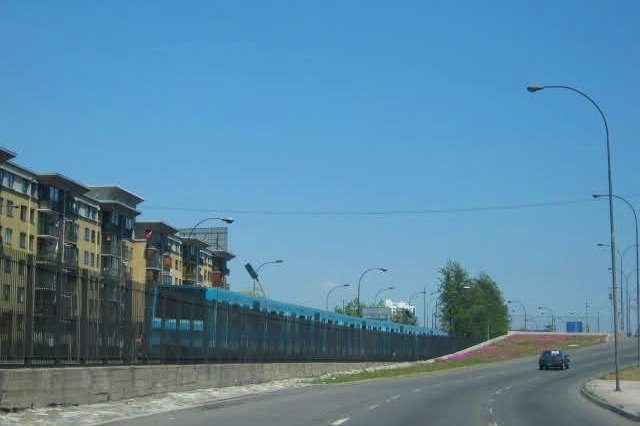
Authorities in Chile’s capital have confirmed that the death toll from a truck explosion on a major highway rose to 12 on February 25, six days after the blast occurred on February 19. Nine victims remain in hospital, five of them listed in critical condition.
The incident took place on a key transport corridor that links Santiago with other major urban centres across the country. The sudden loss of life and the number of injured have sparked calls for a comprehensive review of road‑safety protocols, including stricter vehicle inspections and more rigorous enforcement of traffic regulations.
Santiago, home to more than five million residents, serves as Chile’s primary economic engine, contributing roughly 45 % of the nation’s gross domestic product. Its location in the Central Valley, flanked by the Andes to the east and the coastal range to the west, makes the city a hub for commerce but also exposes it to a range of environmental pressures.
In the wake of the explosion, municipal leaders emphasized the need to balance economic growth with sustainable development. Officials highlighted ongoing efforts to diversify the city’s energy mix by expanding solar and wind projects, aiming to cut reliance on fossil fuels, lower energy costs, and bolster energy security.
Transportation safety remains a priority. The highway where the blast occurred is a vital artery for freight and passenger traffic, and its disruption has raised concerns about the broader impact on commerce and daily commutes. City authorities have pledged a thorough investigation into the cause of the explosion and have signaled intent to adopt measures such as regular inspections of heavy‑load vehicles and the promotion of cleaner, lower‑risk transport options, including electric and hybrid trucks.
Beyond immediate safety issues, the tragedy has reignited discussion on environmental stewardship in Santiago. City officials argue that protecting green spaces, reducing waste, and encouraging eco‑friendly practices among businesses and households are essential for public health and long‑term resilience. By integrating these measures with investments in renewable energy, the city hopes to foster a more robust and sustainable economy.
The economic ripple effect of the blast cannot be ignored. Disruptions to the highway may affect supply chains and local enterprises that depend on reliable transport links. Authorities have indicated that restoring confidence in the transportation network will be a key step toward stabilising affected businesses.
Community response has been one of mourning and solidarity. Families of the deceased and those receiving treatment are receiving support from municipal services, while public vigils have been held to honour the victims. The incident serves as a stark reminder of the importance of proactive safety and environmental policies.
Looking ahead, Santiago’s leadership stresses that addressing the root causes of such accidents and advancing sustainable development are not merely moral imperatives but practical necessities for the city’s future prosperity. Collaborative efforts between government, industry, and residents are being called upon to create a safer, cleaner, and more resilient urban environment.




