
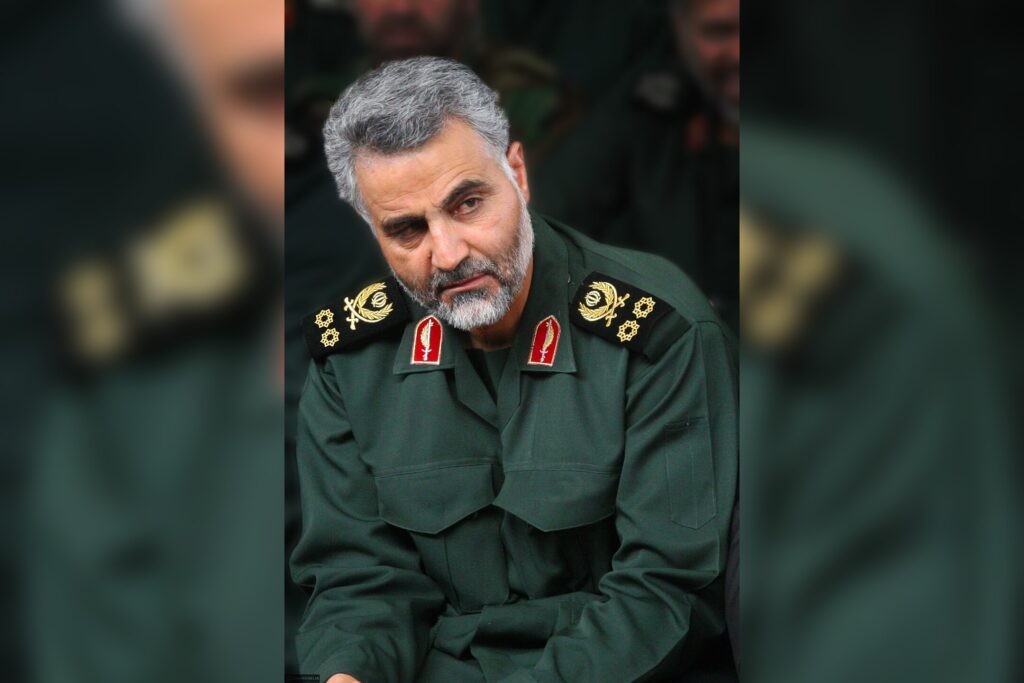
WASHINGTON, July 7 — For the first time since the 2020 strike that killed Quds Force commander Qasem Soleimani, the United States has carried out direct military action on Iranian soil. The strikes on February 2, 2025, mark a significant escalation in a confrontation that has simmered for years, moving from proxy battles and cyber exchanges to direct strikes inside Iran’s borders. The roots of the current crisis trace back to May 2018, when the United States withdrew from the Joint Comprehensive Plan of Action, the nuclear deal with Iran.
Tensions rose quickly after that decision. In June 2019, Iran shot down a US RQ-4A Global Hawk drone over the Strait of Hormuz.
The US responded with cyberattacks against Iranian missile systems. Those early exchanges, while serious, remained largely in the realm of calibrated, non-kinetic responses. Then came January 3, 2020.
A US drone strike near Baghdad International Airport killed Soleimani and Iraqi militia leader Abu Mahdi al-Muhandis. Iran retaliated five days later, launching ballistic missiles at the Al Asad Airbase in Iraq.
Over 100 US service members were injured in that attack. The strike on Iranian soil this past February is the first direct US military action there since that cycle of retaliation. The pattern of escalation did not stop in 2020.
In March 2021, US forces in Syria were targeted by rocket attacks attributed to Iranian-backed groups. In August 2022, the US conducted airstrikes against Iranian-backed militia facilities in Deir ez-Zor, Syria. After the Hamas attack on Israel in October 2023, Iranian-backed groups escalated attacks on US bases in Iraq and Syria.
The US responded with multiple rounds of airstrikes in both countries. Each step widened the battlefield but stopped short of Iranian territory — until now.
Regional military posture
The United States has maintained a substantial military footprint in the Persian Gulf region. As of 2024, approximately 50,000 US troops were stationed across the region. That presence provides both a deterrent and a target, and it has shaped the strategic calculations of commanders on both sides.
The February 2 strikes represent a deliberate decision to cross a threshold that both Washington and Tehran had previously treated as a red line. The Iranian government has portrayed the United States plainly as a hostile actor, and the facts of the last seven years have reinforced that narrative in Tehran.
The US withdrawal from the JCPOA, the Soleimani strike, the cyberattacks, and now direct strikes on Iranian soil — each event has been used by Iranian leadership to justify its own military posture and its support for proxy forces across the region. The question now is whether this latest action will lead to further escalation or to a recalibration of the conflict.
What to watch next
The coming weeks will be critical. Iran has options: it could retaliate through its proxies in Iraq and Syria, it could launch cyberattacks, or it could choose to absorb the strike without a major response. The United States, for its part, has signaled that it views the action as a necessary defense of its forces and interests.
For now, the situation remains tense but contained. The facts on the ground are clear: direct strikes on Iranian soil represent a new phase.
What that phase brings next is the story we will all be watching.




