
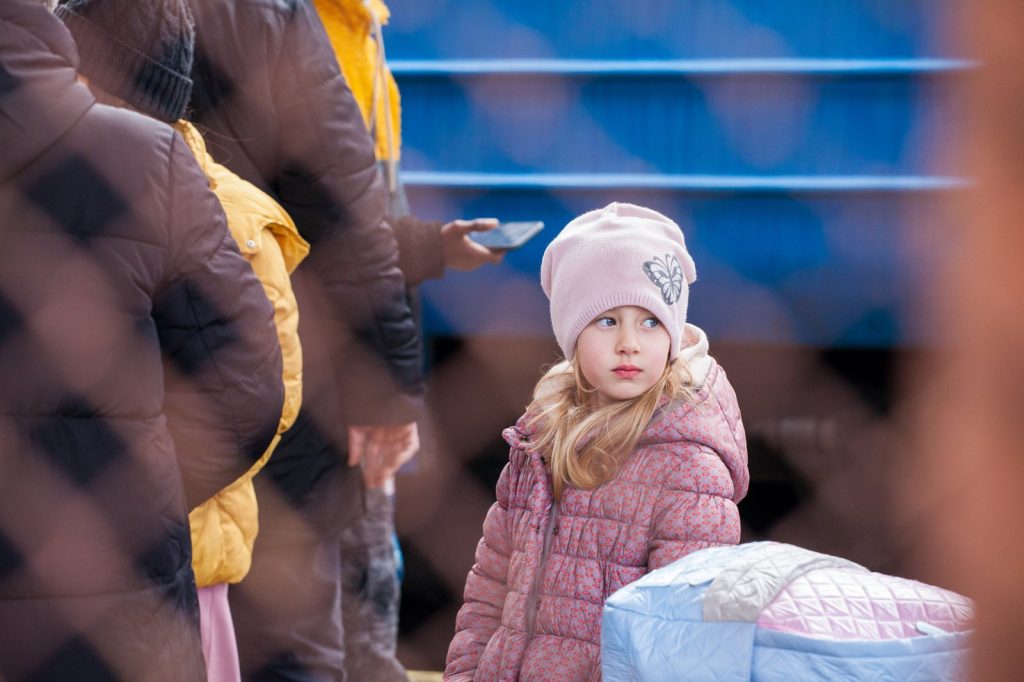
KYIV, July 15 — The mechanics of Europe’s largest displacement crisis since World War II continue to grind, with the numbers still stark more than two years after the Russian invasion began on February 24, 2022. The United Nations High Commissioner for Refugees, as of June 2024, recorded over 6.3 million Ukrainian refugees globally, the vast majority sheltering in European countries. Poland hosts the largest single contingent, approximately 1.6 million refugees, followed by Germany with 1.1 million and the Czech Republic with 540,000.
The International Organization for Migration estimated an additional 3.7 million internally displaced persons within Ukraine as of May 2024 — people who have fled their homes but remain inside the country’s borders, often in precarious conditions. The World Health Organization reports that over 2,000 health facilities have been damaged or destroyed by the conflict.
UNICEF’s tally of damaged educational institutions stands at more than 3,000. The Ukrainian government and humanitarian agencies have provided shelter, food, and medical aid throughout the crisis. But the ongoing hostilities continue to hinder access to affected areas.
The Displacement Mechanism
The refugee flow follows clear patterns. Poland’s proximity to the western border of Ukraine made it the first stop for millions fleeing the initial invasion. Germany’s deeper economic capacity and established diaspora networks drew a second wave.
The Czech Republic’s relatively open labor market for Ukrainians — many of whom already worked there before 2022 — explains its high per-capita refugee count. Internally, the 3.7 million displaced within Ukraine face a different calculus.
They have not crossed an international border, which means they are not eligible for the same protections and benefits as refugees abroad. The Ukrainian government has shouldered the primary responsibility for their shelter and resettlement, but the scale of damage to housing stock and infrastructure makes a quick return home unlikely for most.
What to Watch Next
The key variable going forward is whether the current patterns of displacement harden into permanent migration. The longer the war continues, the more refugees integrate into host-country labor markets and school systems — and the less likely they are to return. European governments, already facing domestic political pressure on immigration, will have to decide whether to extend temporary protections or push for repatriation.
The Ukrainian government, for its part, needs the refugees to return for post-war reconstruction, but cannot guarantee the security or housing to make that happen. The numbers from the UNHCR, the IOM, WHO, and UNICEF are all from mid-2024.
Updated counts will show whether the displacement curve has flattened or continues to rise. For now, the mechanics remain brutal: war pushes people out; infrastructure damage keeps them from coming back.




