
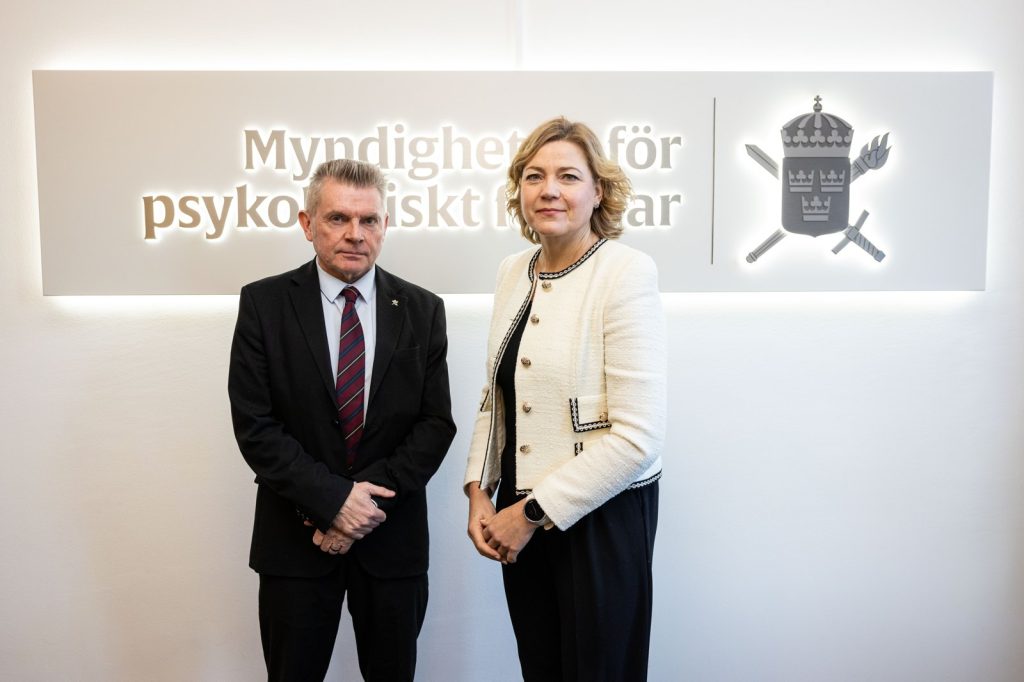
STOCKHOLM, September 12 — Sweden’s disinformation defense chief has warned that a Russian bot army is targeting elections in Germany and France, part of a broader campaign to polarize and divide European societies. The warning, reported by news outlets on Wednesday, highlights growing concerns among European security officials about foreign interference in democratic processes. The Swedish official, whose role involves coordinating national efforts to counter foreign information manipulation, said the campaign uses automated accounts and coordinated inauthentic behavior to amplify divisive political content.
The bot army’s operations are designed to exacerbate existing social tensions, particularly around issues such as immigration, identity, and economic inequality, according to the warning. Germany is scheduled to hold federal elections in 2025, while France’s next presidential election is expected in 2027.
Both countries have previously been targets of Russian disinformation campaigns. In 2016, the United States accused Russia of interfering in its presidential election through hacking and social media manipulation. In 2017, France’s presidential election saw a massive leak of emails from Emmanuel Macron’s campaign, which French authorities attributed to Russian actors.
Germany’s 2017 federal election also faced disinformation efforts.
Europe’s Defenses and the Road Ahead
The European Union has taken steps to counter foreign interference, including the 2018 Code of Practice on Disinformation and the 2022 Digital Services Act, which requires platforms to assess and mitigate systemic risks. NATO and the EU have established rapid response teams to identify and counter disinformation. Sweden itself has been a target of Russian disinformation, particularly after its decision to join NATO in 2022 and its application in 2022, which was ratified in 2023.
The Swedish Psychological Defence Agency, established in 2022, works to safeguard open and democratic society from foreign malign influence. The warning comes amid heightened tensions between Russia and Western countries over the war in Ukraine, now in its third year.
European elections in 2024 saw a surge in far-right parties, which some analysts link to disinformation campaigns. The bot army’s tactics include creating fake accounts, spreading false narratives, and using AI-generated content to mimic real users. Social media platforms have been criticized for insufficient action against such campaigns.
The Swedish official’s warning underscores the need for continued vigilance and international cooperation to protect democratic processes. The story is developing, and further details are expected as investigations continue.




