
Key Battlegrounds and Transport Hubs
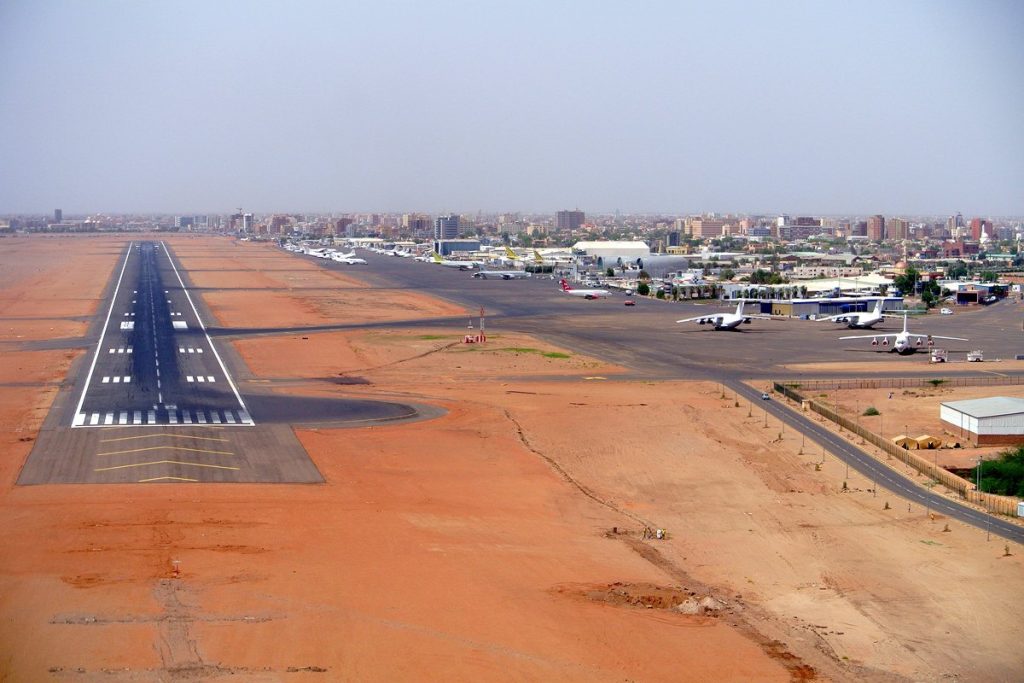
The capital city of Khartoum, a sprawling urban center, has been a primary battleground since the fighting began. The city’s international airport, battered by months of combat, now serves as a strategic foothold for the RSF. According to the Reuters investigation, flights operated by companies with ties to the U.S. military veteran have been tracked flying to critical locations across the country, delivering supplies to RSF-aligned forces. Control of such transportation nodes is paramount in a nation where infrastructure has been devastated by decades of conflict.
The other major logistical center is Port Sudan, located on the Red Sea. For most of the conflict, the Sudanese Armed Forces (SAF) have held this city. Port Sudan is the country’s main seaport, serving as the essential gateway for humanitarian imports and aid shipments. Its retention by the SAF provides the military with a critical advantage in resupply, while its loss would represent a severe strategic blow.
A third focal point of intense fighting is El Fasher, the capital of North Darfur. That city became a key objective of the RSF’s offensive and was under siege in 2024. The RSF’s ability to both control airports like Khartoum’s and lay siege to cities like El Fasher illustrates how the warring factions leverage transportation and supply networks to project power across the vast, arid landscape of Sudan.
Humanitarian Toll and International Implications
The battle for these transport hubs is not merely a military concern; it is a matter of survival for civilians. As of 2024, the United Nations reports that over 25 million people in Sudan require humanitarian assistance. Access to airports and seaports determines whether food, water, and medical supplies can reach populations trapped in conflict zones. With the country’s infrastructure already shattered by generations of war, the ability to move aid through Port Sudan or Khartoum’s airport often means the difference between life and death.
The Reuters investigation’s findings also raise pointed questions about the role of foreign-linked logistics networks in the conflict. The fact that an American-linked company can supply forces aligned with the RSF demonstrates how the war has drawn in international actors, even as the United Nations warns of a deepening humanitarian crisis. The presence of a U.S. Army Special Forces veteran’s business connections in these supply chains adds a layer of complexity to the international dimension of the war.
Background to a Fractured Nation
Sudan, the third-largest country in Africa by area, borders seven nations and the Red Sea. Its modern history is marked by a long succession of diverse cultures, kingdoms, and foreign influence. Arab nomads settled much of the territory between the 14th and 15th centuries, and later Egypt conquered the region. A joint British and Egyptian force eventually defeated the Mahdist Uprising, and Britain and Egypt shared sovereignty over Sudan until it achieved independence in 1956.
Independence did not bring peace. Internal strife grew between the Islamic north and the Christian and animist communities in the south. These tensions led to two separate civil wars: the first from 1955 to 1972, and a second driven by disputes over religion, language, and political power. The current conflict, which erupted in April 2023, is the latest chapter in this long history of instability. As the fighting continues, the control of airports and seaports has become the determining factor in whether millions of civilians receive life-saving supplies, and in whether either faction can secure a decisive advantage.




