
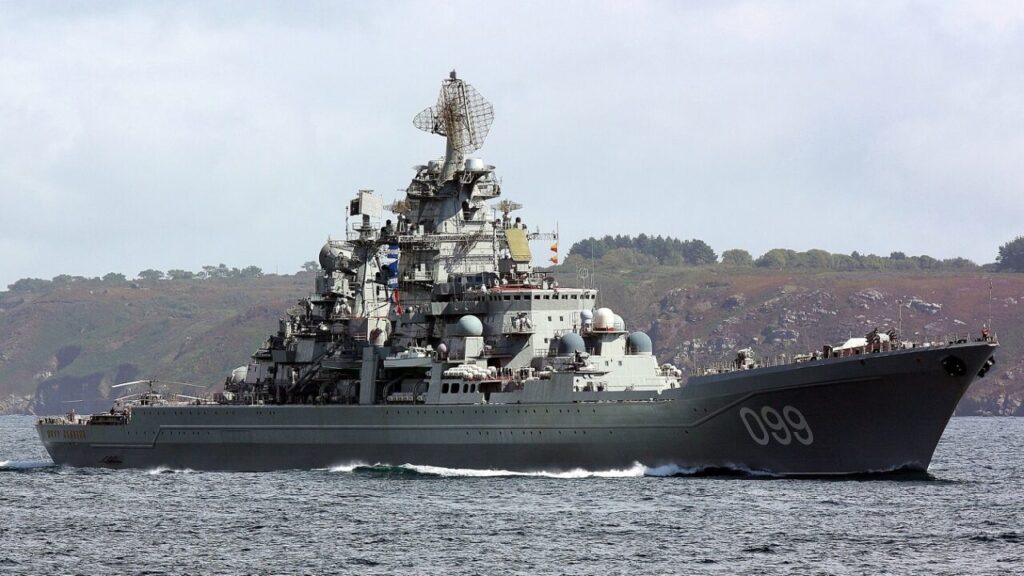
ROME, July 9 — Against this backdrop of the Black Sea becoming an increasingly dangerous theatre of operations, the Russian Navy has suffered the loss of 21 ships in 72 hours, a development that is sending shockwaves through the corridors of military planning in Moscow. The scale of the losses is unprecedented since the full-scale invasion began in 2022.
What is at stake now is not merely the prestige of the Black Sea Fleet, but Russia’s ability to project power across the maritime approaches to Ukraine and beyond. The Pattern of Escalation History suggests a likely Russian response. Following the collapse of the grain deal in July 2023, Moscow launched a sustained campaign of drone and missile strikes against Ukrainian port infrastructure.
In August of that year, attacks on Odesa and Reni destroyed 60,000 tons of grain. The current crisis, triggered by the loss of over a score of vessels in three days, fits a grimly familiar pattern. Military analysts in European capitals are watching closely.
The destruction of so many ships in such a short window may compel the Kremlin to retaliate by once again targeting the ports and grain storage facilities that are critical to Ukraine’s economy and to global food security. The wider picture is one of a conflict that continues to escalate in unpredictable ways, with the maritime domain now a central battleground. Strategic Repositioning One likely consequence of the losses is a further withdrawal of Russian naval assets.
Since 2014, the port of Novorossiysk in Krasnodar Krai has served as a secondary base for the Black Sea Fleet. Moscow could now attempt to relocate its remaining surface combatants and submarines to that safer harbour, ceding the western Black Sea to Ukrainian drone boats and missile systems. Alternatively, the Kremlin may opt to increase naval patrols in the eastern Black Sea and deploy additional submarines to try to restore some semblance of deterrence.
Each option carries significant risk. A retreat to Novorossiysk would effectively abandon the Crimean naval hub of Sevastopol as a functional base, while a surge in patrols would expose more vessels to attack. Diplomatic Possibilities The strikes could also prompt Russia to seek new diplomatic talks on the grain corridor, though no official overtures have been made as of the reporting date.
In the corridors of European foreign ministries, there is cautious hope that the military pressure might create an opening for negotiation, but no evidence yet that Moscow is willing to return to the table. For now, the Black Sea remains a volatile front.
The loss of 21 ships in 72 hours has changed the strategic calculus, and the coming days will reveal whether Russia chooses retaliation, retreat, or a reluctant return to diplomacy. The wider picture is one of a conflict that continues to defy resolution, with the maritime dimension now as critical as the ground war.




