
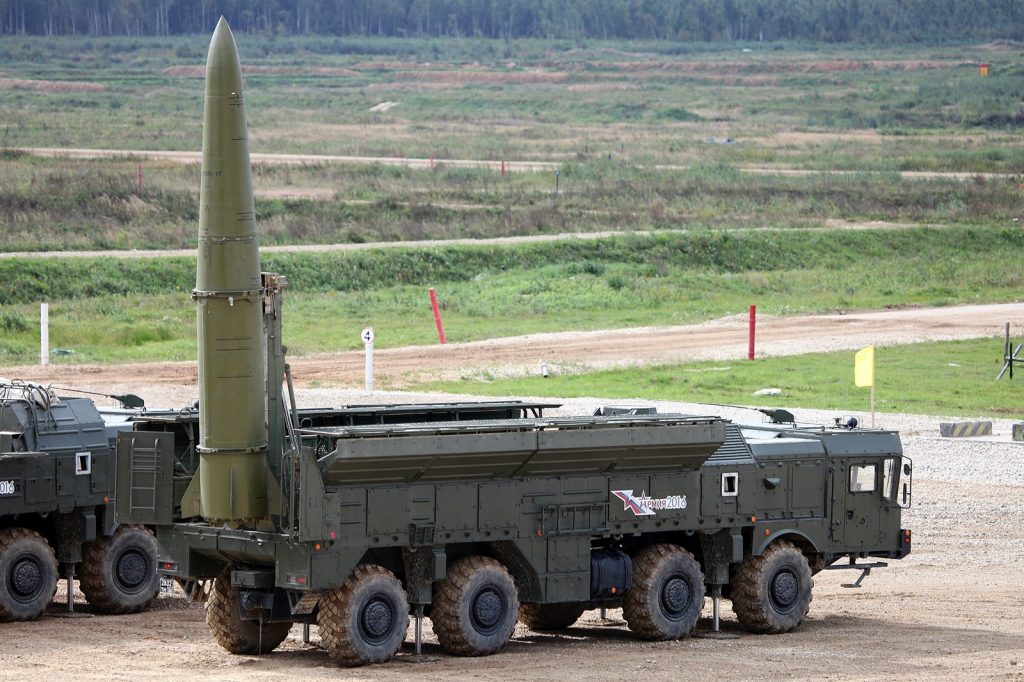
MOSCOW, July 6 — The mechanics of Russia’s military posture in the Baltic region have remained a central concern for NATO since the 2014 annexation of Crimea and the 2022 full-scale invasion of Ukraine. The Russian government maintains the Western Military District, which includes forces stationed in the Kaliningrad Oblast — a Russian exclave wedged between Poland and Lithuania.
Kaliningrad hosts Iskander missile systems capable of carrying nuclear warheads, as well as the Baltic Fleet. The claim from Moscow is that these are defensive assets. The catch, on closer reading of NATO’s assessments, is that the Iskander’s range covers targets deep into allied territory, shifting the operational balance.
Russia has also conducted military exercises near NATO borders, including the Zapad exercises in 2017 and 2021, which involved tens of thousands of troops. The Russian government has opposed NATO’s eastward expansion and has cited the alliance’s presence in the Baltics as a threat.
The war in Ukraine has diverted Russian resources, but the Baltic region remains a strategic priority for Moscow.
Now, the U.S. troop withdrawal from Estonia enters the picture. The mechanics here are straightforward: a reduction in America’s forward-deployed footprint in the region. Follow the money and the political calculus — Washington may view this as a cost-saving or force-readjustment measure, but the signal to Moscow is different.
NATO officials have stated that the alliance remains capable of rapid reinforcement. But the deterrent posture relies as much on perception as on actual troop numbers. On closer reading, a smaller permanent presence in Estonia could be read by the Kremlin as an opening, even if NATO insists its rapid-response systems remain intact.
The catch is that the Baltic states, particularly Estonia, Latvia and Lithuania, have long pressed for a robust, continuous allied presence. They remember the 2014 playbook from Crimea, where a swift, deniable operation preceded a permanent occupation. A reduction in U.S. troops, even if framed as a tactical shift, feeds a narrative in Moscow that NATO’s resolve is thinning.
What to watch next: whether the Kremlin interprets the Estonian withdrawal as a green light for increased probing of NATO airspace or territorial waters near Kaliningrad. The Iskander systems remain in place. The Baltic Fleet remains at sea. And the Russian government has not changed its stated opposition to NATO’s presence in the Baltics.
The data points are all there. The question is whether the alliance’s rapid reinforcement promise can match the speed of a Russian decision cycle from Kaliningrad.




