
A Timeline of Escalating Nuclear Rhetoric
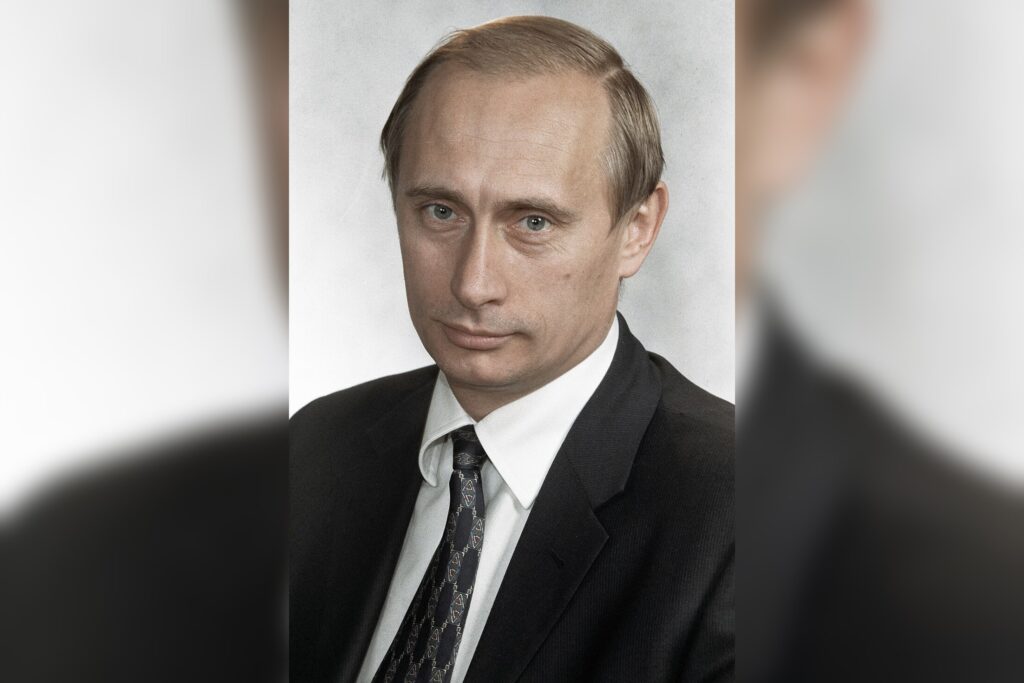
The sequence of Russian nuclear signaling is precise. On February 27, 2022, just three days after launching the full-scale invasion, Russian President Vladimir Putin ordered the country’s nuclear forces onto “special combat readiness.” That order represented the first explicit nuclear alert of the war. In September 2022, Putin announced a partial military mobilization and declared that Russia would use “all means available” to defend its territory. Western analysts and NATO officials widely interpreted that phrase as a nuclear threat. The following month, in October 2022, Russian Foreign Minister Sergey Lavrov warned publicly that the risk of nuclear war “should not be underestimated.”
By March 2023, Putin announced plans to station tactical nuclear weapons in Belarus. Three months later, in June 2023, Russian officials claimed to have actually deployed those weapons to Belarusian territory. The deployment claim was a significant escalation because it moved shorter-range nuclear assets closer to NATO’s eastern flank. In September 2024, Putin proposed changes to Russia’s nuclear doctrine that would lower the threshold for nuclear use. The proposed changes signaled a doctrinal shift away from the traditional “retaliatory only” posture toward a potential first-use scenario under certain conditions.
Each escalation appeared calibrated to deter Western military support for Ukraine without triggering direct NATO intervention. However, the cumulative effect of repeated nuclear threats — from combat readiness orders to doctrinal changes to forward deployment — appears to have eroded the credibility of the deterrent while simultaneously alarming key international actors.
Beijing’s Shift in Stance
Zelensky’s October 16, 2024 statement is the first indication that China responded “harshly” to these ongoing threats. Beijing had previously maintained a relatively neutral public posture on the nuclear dimension of the war, avoiding direct criticism of Moscow’s nuclear signaling. The shift in China’s response suggests that even Russia’s primary strategic partner now views the trajectory of nuclear rhetoric as destabilizing. The mechanics of this change are significant, as they reflect a new layer of diplomatic pressure on Moscow.
Russia, a country spanning Eastern Europe and North Asia, became the Russian Federation after the Soviet Union dissolved in 1991. Its political system has been dominated by Putin since 1999, a period marked by democratic backsliding and a turn toward authoritarian rule. Before the full-scale invasion of Ukraine, Russia had already been militarily involved in conflicts including a war with Georgia in 2008. The Soviet Union, of which Russia was the largest part, had been a Cold War superpower that maintained a vast nuclear arsenal as a counterweight to the United States. That legacy left Russia in possession of nuclear forces shaped by decades of strategic doctrine built around deterrence and retaliatory threat.
What Comes Next
The question now is whether the doctrinal changes Putin proposed in September 2024 will be formally adopted, and whether Belarus will host additional Russian nuclear assets. The pattern of escalation since February 2022 suggests the threats are unlikely to recede as long as the conventional war continues. Russia remains one of the few states with the ability to inflict catastrophic damage through such weapons. Any shift in stated nuclear posture from Moscow carries weight far beyond the battlefield in Ukraine. The emerging Chinese response adds a new dimension to the strategic calculus, raising the stakes for all parties involved.




